
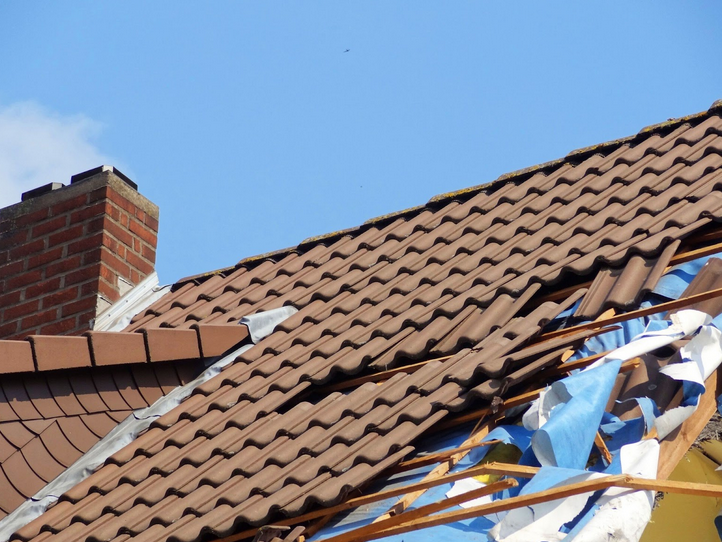
A well-maintained roof is a must for any business premises, protecting the building and its contents from the elements. However, many commercial property owners overlook routine inspections, resulting in more extensive issues down the line. Recognizing common roofing problems early can save significant costs and prevent disruption to operations. By staying vigilant, businesses can ensure their roofs remain in good condition.
Common Roofing Problems Faced by Businesses
Roofing problems can manifest in various forms, each requiring attention and appropriate solutions. The most prevalent issue is water pooling, resulting from clogged drainage systems or improper slopes. When water accumulates on the roof, it increases the risk of leaks and structural damage. Membrane deterioration can occur due to weather exposure, leading to cracks or tears.
Another common issue is poor installation, which can manifest as uneven roofing materials or inadequate sealing around vulnerable areas. Regular inspections can identify existing problems early on, allowing businesses to take proactive steps toward repairs and maintenance.
When to Consult Professionals for Repairs
Posts on this site may contain sponsored content, paid link placements, or affiliate links. I may earn a commission or fee if you click a link or purchase through these recommendations at no additional cost to you.
Knowing when to seek professional help for roof repairs can be pivotal for maintaining commercial premises. Sometimes, minor issues can escalate quickly if not addressed promptly, which causes larger, more expensive problems. Business owners should be proactive about engaging commercial roofing contractors when they notice signs like leaks or sagging areas. Tackling problems early can reduce repair costs and protect the building’s structure.
Professionals can provide valuable insights into the roof’s overall health and recommend necessary repairs or upgrades. Maintain an open line of communication with a trusted contractor to simplify the repair process and ensure that business owners are informed about the health of their roofing system. Regular professional inspections can also extend the life of the roof and prevent unnecessary expenses.
Signs of Roof Leaks and What to Look For
Roof leaks can cause significant damage if left untreated — that’s why you must know the signs. One major indicator is water stains on ceilings or walls, which often point to leaks above. Dampness or mold growth in interior areas is a telltale sign that moisture is infiltrating the building. Roof leaks may also manifest as sagging ceiling boards, which can suggest accumulated water weight.
Business owners need to inspect their roofs after heavy rainfall and look for missing or damaged shingles or tiles, as these can lead to leaks. Regular maintenance check-ups can catch potential leaks before they become larger problems. Properly addressing these issues can save money and resources over time so that operations run smoothly while protecting the building’s structure.
The Impact of Mold and Mildew on Commercial Roofs
Mold and mildew can pose serious threats to the integrity of a commercial roof. These organisms thrive in damp, humid conditions and can weaken roofing materials, leading to more severe structural issues if not addressed swiftly. The presence of mold can also create health risks for employees or customers, exacerbating respiratory issues and allergies.
Commercial property owners should regularly inspect their roofs and surrounding areas for signs of mold growth. Implementing proper ventilation can reduce moisture levels and hinder mold development. In cases of extensive growth, professional remediation might be necessary to ensure the safety of the building’s occupants. Addressing mold and mildew protects the roof and enhances the overall indoor air quality, creating a healthier environment for everyone.
Regular Maintenance Practices to Prevent Roofing Issues
Proactive maintenance prevents roofing issues from escalating. A regular inspection schedule can help identify problems before they become costly repairs. Business owners should consider performing inspections bi-annually, ideally in spring and fall, to assess their roofs’ condition. Cleaning gutters and downspouts regularly can avoid water pooling and damage.
During inspections, check for debris accumulation, which can damage roofing materials or block drainage paths. Trim overhanging branches to prevent unnecessary wear and tear caused by falling limbs or twigs. Investing in maintenance now can result in significant savings and less disruption to business operations later.
Choosing the Right Materials for Your Business Roof
When selecting the appropriate roofing materials, factor in climate, building design, and budget. Businesses in areas with extreme weather may benefit from sturdier options designed to withstand high winds or heavy snowfall. Metal roofing is known for its durability and longevity, a popular choice among business owners. Alternatively, environmentally friendly materials like rubber or green roofs might appeal to businesses focused on sustainability.
Consult with experts to determine the best materials for specific needs. These decisions can impact future maintenance costs and the roof’s overall life span. Making informed choices at the outset can prevent unwelcome surprises and ensure that roofing issues do not hinder operations.
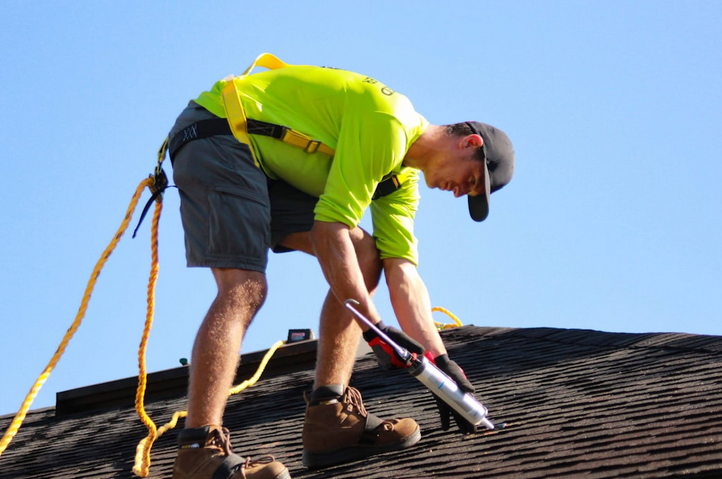
To maintain a business’s operational effectiveness, stay vigilant concerning potential roofing issues. Recognizing common problems and implementing maintenance strategies can have long-lasting benefits. Protecting the integrity of commercial roofs not only safeguards property but also contributes to the well-being of employees and customers alike.
