
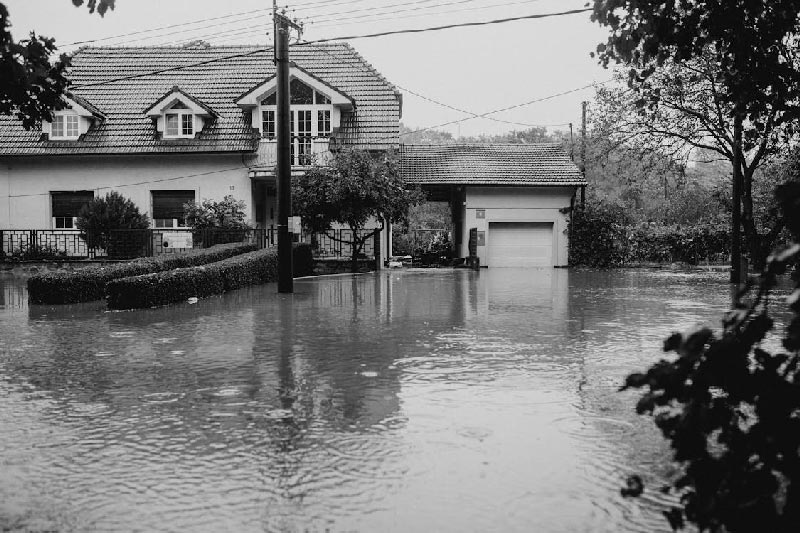
With extreme weather events becoming more common and severe, homeowners need to take proactive steps to protect their properties. Preparing your home in advance can prevent costly damage and ensure your family’s safety. Whether it’s high winds, heavy rainfall, or freezing temperatures, the right precautions can help safeguard your home.
In this article, we’ll walk through essential tips to get your house ready for any storm, focusing on practical actions that can make a difference when harsh weather strikes.
1. Reinforce Windows and Doors
Windows and doors are other critical areas that need to be reinforced when preparing for extreme weather. Strong winds can shatter glass or even blow open unsecured doors, leaving your home vulnerable to further damage. Start by checking the seals around windows and doors to ensure there are no gaps or cracks where air or water could enter.
For added protection, consider installing storm shutters or impact-resistant glass, especially in areas prone to hurricanes or strong winds. These reinforcements can help prevent windows from breaking under pressure. It’s also a good idea to double-check that all doors, especially garage doors, are securely fastened and built to withstand intense weather conditions.
2. Secure Your Roof
The roof is one of the most vulnerable parts of your home during extreme weather. Heavy winds, rain, and hail can cause serious damage if your roof isn’t in top condition. One of the most important steps is to check for loose or damaged shingles, as these can easily be torn off in a storm, exposing your home to leaks and water damage.
Posts on this site may contain sponsored content, paid link placements, or affiliate links. I may earn a commission or fee if you click a link or purchase through these recommendations at no additional cost to you.
It’s recommended to contact a professional roofing company for an inspection. They can identify problem areas and make the necessary repairs before the weather worsens. Ensuring that your roof is secure and free from potential hazards is essential in keeping your home safe from heavy rain and strong winds. A well-maintained roof can make all the difference when it comes to weathering the storm, but if it still takes a hit, be sure to look for professional storm damage roof repair near me and call the professionals in to fix it sooner rather than later.
3. Clean and Clear Gutters
Your gutters are more important than you might think when it comes to protecting your home from extreme weather. Clogged or damaged gutters can lead to serious water damage, particularly during heavy rainfall. Water that isn’t properly directed away from your home can accumulate around the foundation, causing leaks or flooding inside your home.
Regularly clean your gutters to ensure that leaves, twigs, and other debris don’t block the flow of water. Check for any cracks or sagging that might indicate it’s time for a repair. You should also make sure that downspouts are directing water far enough away from your house to avoid foundation issues. By maintaining your gutters, you’ll protect your home from water damage during storms.
4. Trim Trees and Remove Dead Branches
Trees can pose a significant threat during extreme weather, particularly if they’re too close to your house. High winds can cause overhanging branches to break and fall, damaging roofs, windows, and other parts of your home. Even a seemingly small branch can cause substantial damage when it’s blown around by a storm.
To minimize the risk, regularly trim any branches that hang over your roof or near windows. If you have trees with dead or weak branches, it’s best to remove them entirely to prevent them from becoming projectiles during high winds. A well-maintained yard can go a long way in reducing the risk of storm damage to your home.
5. Install a Backup Power Source
Extreme weather often leads to power outages, which can leave your home without electricity for hours or even days. Installing a backup power source is an essential step in preparing your home. A generator can keep critical systems, such as heating, cooling, and refrigeration, running during a blackout. Depending on your needs, you can choose between a portable generator or a whole-house system that automatically kicks in when the power goes out.
When selecting a generator, ensure it has enough capacity to support essential appliances and systems. Place the generator in a well-ventilated area, ideally outside, to avoid carbon monoxide buildup. Regularly maintain your generator and test it to ensure it’s ready when needed. A reliable power source will give you peace of mind and help you manage the effects of a power outage during extreme weather.
6. Elevate Appliances and Electrical Systems
In areas prone to flooding, it’s crucial to elevate appliances and electrical systems to reduce the risk of water damage. Raising items such as water heaters, HVAC units, and washers and dryers can help protect them from potential floodwaters. You can also install sump pumps in basements or crawl spaces to keep water from accumulating during heavy rainfall.
Furthermore, it’s important to move critical electrical systems such as circuit breakers, wiring, and outlets to higher levels. Elevating these systems can prevent short circuits or fires caused by water damage. If you’re unsure about how to properly elevate or protect these systems, consider consulting a Brandon professional electrician. Taking these precautions can prevent significant damage to your home’s electrical infrastructure and keep your appliances functioning.
7. Weatherproof Your Home’s Exterior
Weatherproofing your home is an essential step in preparing for extreme weather conditions. This process involves sealing any gaps, cracks, or openings in the exterior to prevent water and wind from entering your home. Start by inspecting areas around windows, doors, and siding for any signs of damage or wear.
Apply weatherstripping to doors and windows to create a tight seal, preventing drafts and leaks. Caulking around the edges of windows and doors can further protect against water intrusion. Additionally, consider installing heavy-duty storm doors and using high-quality materials for siding and roofing. Weatherproofing not only improves your home’s resistance to extreme weather but also increases its energy efficiency by reducing heat loss.
In conclusion, preparing your home for extreme weather involves more than just fixing small problems—it’s about protecting your entire property from the unpredictability of nature. By following these essential tips, you can ensure your home is equipped to withstand storms, high winds, and flooding. Taking action now will not only help minimize potential damage but also give you peace of mind knowing that your home and family are as safe as possible.
