
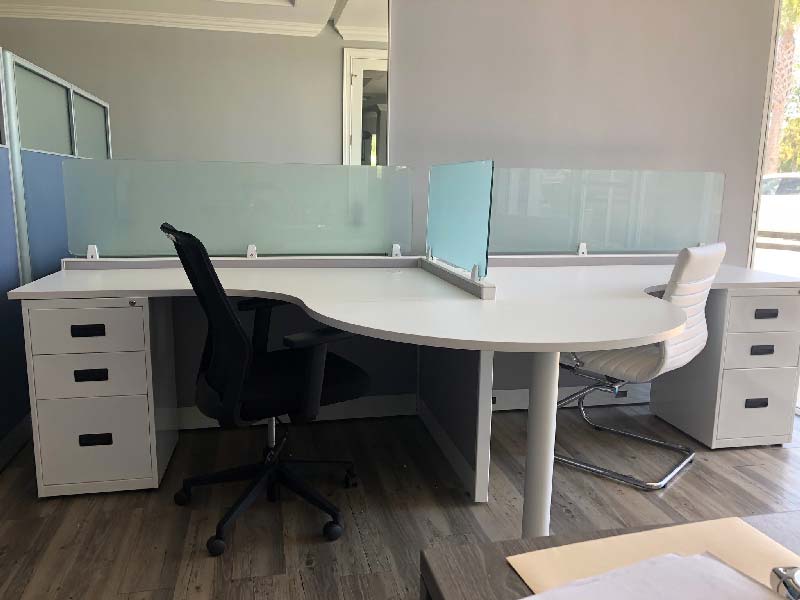
In today’s corporate landscape, sustainability is more than just a buzzword; it’s a vital consideration for organizations aiming to reduce their environmental impact and promote a healthier workplace. As companies strive to adopt eco-friendly practices, sustainable cubicle design has emerged as a critical area for innovation. By integrating eco-friendly materials and practices into cubicle design, organizations can create modern, sustainable offices that not only benefit the environment but also enhance employee well-being and productivity. This article explores effective strategies for implementing sustainable cubicle design solutions in modern workplaces.
1. Choosing Eco-Friendly Materials
Posts on this site may contain sponsored content, paid link placements, or affiliate links. I may earn a commission or fee if you click a link or purchase through these recommendations at no additional cost to you.
One of the most impactful ways to create sustainable cubicles is by selecting materials that are environmentally friendly and responsibly sourced.
- Recycled and Reclaimed Materials: Using recycled materials, such as reclaimed wood, recycled metal, and repurposed textiles, can significantly reduce the environmental footprint of cubicle design. These materials require less energy to produce and divert waste from landfills.
- Low-VOC Paints and Finishes: Opting for low volatile organic compound (VOCs) paints and finishes helps improve indoor air quality. Traditional paints can release harmful chemicals into the air, but low-VOC options are safer for both employees and the environment.
2. Incorporating Biophilic Design
Biophilic design emphasizes the connection between humans and nature, promoting well-being and productivity in workspaces. Integrating biophilic elements into cubicle design can enhance the overall sustainability of the office.
- Natural Light and Views: Designing cubicles to maximize natural light and views of the outdoors can reduce reliance on artificial lighting and create a more pleasant work environment. Consider using glass partitions to allow light to flow through the space.
- Indoor Plants: Incorporating plants into cubicle designs not only adds aesthetic value but also improves air quality and reduces stress. Choose low-maintenance plants that thrive in office conditions, such as snake plants, pothos, or peace lilies.
3. Focusing on Energy Efficiency
Enhancing energy efficiency in cubicle design contributes to a sustainable office environment while reducing operational costs.
- Smart Lighting Solutions: Implementing smart lighting systems that adjust based on natural light levels can significantly reduce energy consumption. Motion sensors can turn lights off when cubicles are unoccupied, further conserving energy.
- Energy-Efficient Equipment: Encouraging the use of energy-efficient technology, such as Energy Star-rated computers and printers, can minimize energy usage in cubicles. Providing employees with training on energy-saving practices can also contribute to a greener office.
4. Implementing Flexible and Modular Designs
Sustainable cubicle design is not just about materials; it also involves creating flexible and adaptable spaces that can evolve with the organization’s needs.
- Modular Furniture: Using modular cubicle systems allows for easy reconfiguration and adaptation over time. This flexibility reduces the need for new furniture and materials, promoting sustainability.
- Shared Spaces: Designing shared spaces for collaboration can reduce the number of individual cubicles needed, optimizing space and resource use. Collaborative areas can foster teamwork while minimizing the environmental impact of excessive partitioning.
5. Promoting Waste Reduction and Recycling
Encouraging a culture of waste reduction and recycling in cubicle designs can significantly contribute to sustainability efforts.
- Recycling Stations: Integrating recycling stations within or near cubicle areas encourages employees to recycle paper, plastics, and other materials. Clear signage can help guide proper disposal practices.
- Digital Documentation: Promoting a paperless office environment by encouraging digital documentation and communication reduces paper waste. Providing training on digital tools can facilitate this transition.
6. Employee Engagement and Education
Sustainable cubicle design is most effective when employees are engaged and educated about eco-friendly practices.
- Sustainability Training: Offering training sessions on sustainability practices can empower employees to adopt eco-friendly habits in their workspaces. Topics could include energy conservation, waste reduction, and the importance of sustainable materials.
- Feedback Mechanisms: Establishing feedback mechanisms allows employees to share their ideas for improving sustainability in the workplace. This collaborative approach fosters a sense of ownership and responsibility toward the environment.
7. Measuring Impact and Continuous Improvement
To ensure the effectiveness of sustainable cubicle design, organizations should regularly assess their impact and seek opportunities for improvement.
- Sustainability Metrics: Implementing metrics to track energy usage, waste reduction, and employee engagement can provide valuable insights into the effectiveness of sustainable initiatives. Regular assessments can help identify areas for improvement.
- Continuous Innovation: Staying informed about new sustainable materials and design practices can lead to continuous innovation in cubicle design. Regularly updating cubicle systems and features based on the latest trends and technologies ensures ongoing sustainability efforts.
Conclusion
Sustainable cubicle design is a critical component of creating modern, eco-friendly offices that prioritize both employee well-being and environmental responsibility. By choosing eco-friendly materials, incorporating biophilic design, enhancing energy efficiency, and promoting waste reduction, organizations can foster a sustainable workplace culture.
As businesses increasingly recognize the importance of sustainability, investing in thoughtful cubicle designs will not only benefit the environment but also enhance employee morale, productivity, and overall satisfaction. By adopting these eco-friendly solutions, organizations can lead the way toward a more sustainable future, creating workspaces that reflect their commitment to both people and the planet.
