
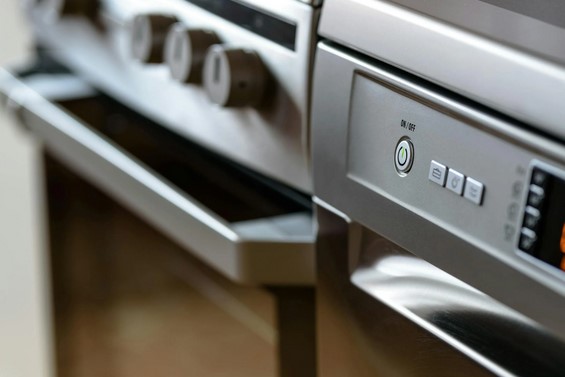
Appliances do more than just perform tasks—they support the rhythm of modern life. The hum of the refrigerator, the warmth of the dryer, the quiet efficiency of the dishwasher—these aren’t just conveniences, they’re the pulse of a functional home. Yet, for many, the thought of appliance maintenance doesn’t enter the picture until something breaks. And when that happens, it’s usually expensive, inconvenient, and sometimes, entirely preventable.
Longevity isn’t just about the machines—it’s about your mindset. Appliances are an investment in a convenient lifestyle. But the need to be cared for just like you lovingly care for your new SUV in the garage. Learning how to care for appliances isn’t tedious. It’s empowering. In this guide, we’ll break down maintenance schedules for major appliances while exploring the practical ways you can extend their life. Consider this your blueprint for making your investments last, not just longer, but better.
1. The Kitchen Workhorses: Refrigerators and Ovens
Refrigerators: Cooling with Purpose
Refrigerators operate in quiet constancy, maintaining your food’s freshness day and night. It’s easy to take them for granted, but these machines require more than just being plugged in.
Each month, it’s crucial to take a few minutes and clean the condenser coils. These are often hidden behind a grate at the back or beneath the unit, gathering dust that forces the compressor to work harder. That extra effort isn’t benign—it can cut the unit’s lifespan in half if ignored over time.
Checking door seals is another often-overlooked step. If the gasket around the fridge door becomes cracked or brittle, it can no longer create a strong vacuum seal. Even a minor air leak can spike energy bills and compromise cooling efficiency. A simple trick is to close the door on a dollar bill and pull gently. If it slips out easily, the seal isn’t doing its job.
Posts on this site may contain sponsored content, paid link placements, or affiliate links. I may earn a commission or fee if you click a link or purchase through these recommendations at no additional cost to you.
Twice a year, replace your water filter if your refrigerator dispenses water or ice. Filters can become breeding grounds for bacteria and can clog internal lines, which not only affects water taste but also stresses the internal mechanisms. Clean the drip pan while you’re at it—it’s a quiet collector of mold and debris that rarely gets attention.
Ovens and Stovetops: High Heat, Higher Stakes
Most people only clean their oven when something catches fire. That’s far too late.
Even electric ovens benefit from regular interior cleaning to prevent buildup of carbonized food, which can affect both flavor and function. Avoid abrasive cleaners—use a simple baking soda paste followed by a vinegar spray and a warm, damp cloth. This not only preserves the finish but avoids chemical residues in your cooking space.
Gas stovetops require special attention to burner ports. Over time, food particles and grease can block these tiny holes, leading to uneven heating or even delayed ignition. Scrub them gently with a soft-bristled brush to keep flame distribution even and safe.
And don’t overlook the oven door alignment. A misaligned or warped door allows heat to escape. That turns every meal into a guessing game and wears down the heating elements faster.
2. Laundry Room Staples: Washers and Dryers
Washing Machines: Where Clean Begins
Your washer handles more than just water and clothes. It manages dirt, detergent, pet hair, fabric softener, and the occasional rogue sock. All of that adds up internally.
To reduce mold and odor, always leave the door open after use—especially for front-loaders. The rubber gasket around the opening should be wiped down regularly with a dry cloth to remove hidden moisture and lint that can lead to foul smells or mildew.
Every month, run a maintenance cycle using hot water and either white vinegar or a designated washing machine cleaner. This cuts through the unseen layers of buildup that form over time. Don’t forget the detergent drawer—most are removable and can be soaked in warm, soapy water to remove hardened residues that interfere with water flow.
Inspect the hoses every six months for signs of wear, including cracks, bulges, or stiffness. A burst hose can flood a room in minutes. Replacing these every 3–5 years is a small price to pay for peace of mind.
Dryers: Fire Safety and Function
Dryers are deceptively simple in their function, but lint—the most innocent-looking byproduct—can become a serious hazard.
The lint trap must be cleaned after every use. It’s easy to skip once or twice, but even small buildups restrict airflow and force the motor and heating elements to work harder. Every month, take the time to vacuum out the space beneath the lint trap as well as the area behind the unit, where lint quietly accumulates over time.
Once a year, a full duct cleaning is vital. If you notice that clothes are taking longer to dry, this isn’t a sign that the dryer is old—it’s a warning that the vent may be blocked. That extra drying cycle? It’s your appliance telling you it’s suffocating.
3. The Forgotten Soldiers: Dishwashers and Microwaves
Dishwashers: Not Self-Cleaning
Dishwashers are plumbing marvels disguised as cabinets. But they’re often mistaken for being self-cleaning. While high-temperature water helps, it doesn’t eliminate grease, food particles, and hard water buildup.
Make it a habit to scrape food, not rinse, off plates before loading. Over-rinsing tricks sensors into thinking dishes are already clean, leading to lighter washes and residue.
Once a month, remove and clean the filter at the bottom. It’s often slimy and unpleasant, but necessary for ensuring your dishwasher doesn’t re-circulate dirty water. Run a hot cycle with a dishwasher cleaner or a cup of vinegar to break down internal gunk.
Twice a year, inspect the spray arms. Clogged jets mean dishes won’t be evenly cleaned. A toothpick or pin can dislodge stubborn particles and restore water flow.
Microwaves: Daily Convenience, Rarely Maintained
Microwaves are easy to clean but often ignored. A weekly steam-clean using a bowl of water with lemon juice helps loosen internal grime. Simply heat the bowl for five minutes, let it sit, and wipe the interior with a cloth.
Turntables should move smoothly. If they drag or grind, inspect the rollers underneath. Clean and reseat them if needed. This not only reduces noise but prolongs the life of the motor.
Quarterly, inspect the door seal and latch. Any play in the latch mechanism can lead to energy leaks or prevent the microwave from functioning safely.

4. Climate Commanders: HVAC and Water Heaters
HVAC Systems: Breathing Life Into Your Home
HVAC systems don’t just control temperature—they control your comfort. Yet most homeowners ignore them until the AC sputters on a hot day or the furnace won’t start in winter.
Replace air filters regularly during periods of heavy use. Dirty filters reduce airflow, make your system work harder, and distribute dust and allergens around the home. If you live with pets or allergies, consider high-efficiency HEPA filters.
Every six months, inspect the outdoor unit. Remove any grass clippings, leaves, or debris. Check the insulation on the coolant lines. Damaged insulation reduces system efficiency and increases energy costs.
Once a year, book a professional inspection. Technicians can catch what you can’t—like refrigerant leaks or worn-out belts. Regular tune-ups improve efficiency and extend system life by years.
Water Heaters: Out of Sight, Out of Mind
Water heaters, particularly tank-style ones, are typically installed and then ignored. But they quietly accumulate sediment—especially in areas with hard water.
Every year, flush the tank to remove this sediment. It not only improves heating efficiency but also prevents that popping or rumbling noise often heard during operation.
Check the pressure relief valve to ensure it’s not leaking. If water dribbles down the side of the tank, the valve could be faulty and should be replaced to avoid catastrophic failure.
Lastly, test your thermostat. Water should never exceed 120°F. Higher temperatures may shorten the heater’s life and increase the risk of burns.
5. Elevate Your Routine: Mindset, Tools, and Records
From Passive Ownership to Active Stewardship
The biggest shift isn’t in buying better appliances—it’s in treating the ones you have with proactive care. Most people are reactive, waiting for breakdowns before acting. The art of appliance longevity lies in prevention, not repair.
Changing your mindset changes the outcome. Routine maintenance doesn’t just avoid costs; it preserves performance, saves time, and reduces waste.
Build a Minimal Maintenance Toolkit
You don’t need a garage full of tools. A soft-bristle brush, flashlight, microfiber cloths, distilled vinegar, baking soda, a bucket, gloves, and a small vacuum are enough for most tasks.
Keep them in a single tote labeled “Appliance Care.” Having a dedicated kit makes regular maintenance more likely—and more satisfying.
Keep a Home Health Log
Maintenance without tracking is easily forgotten. A simple spreadsheet or paper notebook helps you stay on top of recurring tasks. Log each appliance, note the date and action, and set reminders.
This not only helps you—but it adds value if you ever sell the home. A buyer, seeing a record of regular maintenance, sees something more than appliances. They see a responsibly kept home.
Final Thoughts: Built to Last, If You Let Them
There’s satisfaction in caring for the things that serve you. Not out of obligation, but out of respect for their purpose. It’s about understanding the quiet value of stewardship.
Because when your refrigerator runs smoothly, your dryer doesn’t spark, and your HVAC system keeps the seasons at bay, you don’t just have appliances. You have freedom. Time. Ease. And that’s the real return on your investment.
