
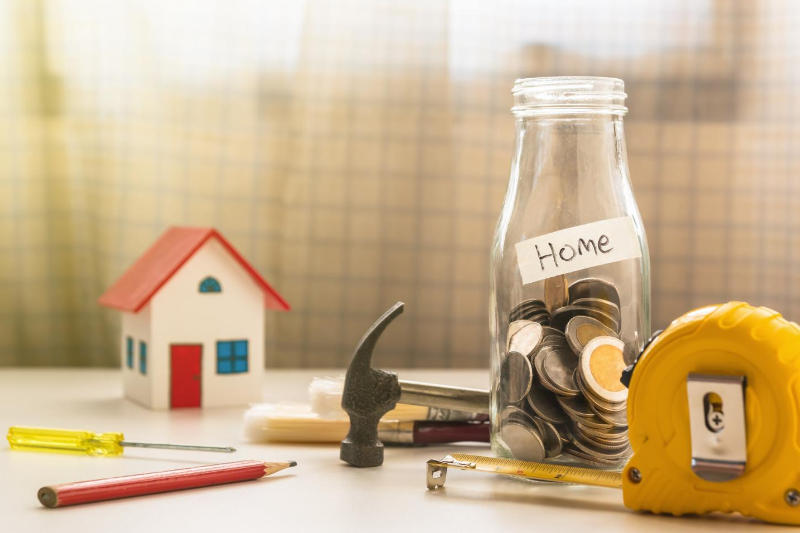
Most homeowners do not think much about maintenance when everything in the house seems to be working properly. Daily routines take priority, schedules get busy, and many small household tasks are easy to postpone for another weekend.
The problem is that homes rarely develop major issues overnight. In many cases, expensive repairs begin as small warning signs that go unnoticed or ignored for too long. A clogged filter, minor leak, blocked vent, or neglected appliance may not seem urgent at first, but over time, these smaller issues can gradually turn into costly repairs and unexpected disruptions.
For families balancing work, school schedules, household responsibilities, and rising living expenses, preventative maintenance often becomes less about perfection and more about avoiding avoidable stress later.
The good news is that many important maintenance habits are relatively simple when handled consistently. Small routine checks throughout the year can help protect a home’s systems, improve comfort, and reduce the likelihood of larger financial surprises.
Small Problems Usually Become Larger Ones
One reason preventative maintenance matters is because home systems are connected in ways homeowners do not always notice immediately.
A minor plumbing leak can eventually contribute to water damage or mold growth. Dirty HVAC filters may reduce airflow and place extra strain on heating and cooling systems. Gutters filled with debris can cause drainage problems that affect roofing, siding, or foundations over time.
Individually, these issues often seem manageable in the early stages. The challenge is that homeowners usually notice them only after performance begins declining or damage becomes visible.
Routine attention helps identify small concerns before they escalate into expensive emergencies. This does not mean families need to spend every weekend handling repairs. Rather, consistency matters more than intensity. A few preventative habits repeated throughout the year are often far more effective than waiting until systems fail completely.
HVAC Systems Require Ongoing Attention
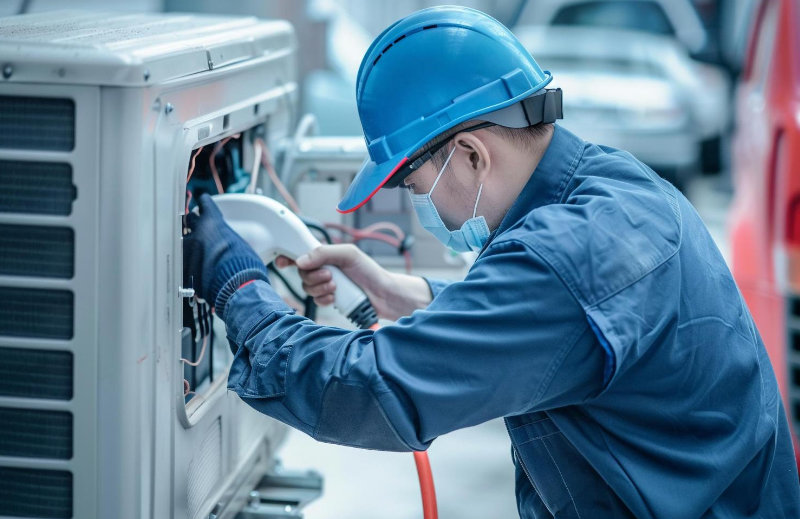
Heating and cooling systems are among the most heavily used systems in many homes, especially during periods of extreme weather.
Because HVAC systems operate so frequently, small maintenance issues can quickly affect efficiency, indoor comfort, and energy usage. Dirty filters, blocked vents, worn components, or neglected inspections may force systems to work harder than necessary. Over time, that extra strain can shorten equipment lifespan while increasing utility costs.
Posts on this site may contain sponsored content, paid link placements, or affiliate links. I may earn a commission or fee if you click a link or purchase through these recommendations at no additional cost to you.
Many homeowners schedule HVAC maintenance in Grand Rapids and other regions with significant seasonal temperature changes before peak summer or winter conditions arrive. Preventative servicing often helps identify worn parts, airflow restrictions, or performance issues before systems are pushed to their limits during periods of heavy use. Routine maintenance also contributes to better indoor air quality, which has become increasingly important for families spending more time indoors throughout the year.
Water Management Often Gets Overlooked
Water-related issues are among the most common causes of expensive household repairs. What makes them challenging is that damage frequently develops slowly behind walls, beneath flooring, or around exterior drainage areas before homeowners notice visible signs.
Simple habits can significantly reduce these risks. Cleaning gutters regularly, checking for small leaks beneath sinks, monitoring water pressure changes, and inspecting areas around appliances can help identify problems early.
Seasonal weather changes make this even more important. Heavy rain, freezing temperatures, and shifting moisture conditions place additional stress on roofing, pipes, and drainage systems throughout the year. Even small preventative actions, such as ensuring downspouts direct water away from foundations, may help avoid larger structural concerns later.
Appliance Maintenance Extends Lifespan
Household appliances are major investments, yet many people rarely maintain them beyond basic cleaning.
Refrigerators, dryers, dishwashers, washing machines, and water heaters all operate more efficiently when maintained consistently. Dryer vent cleaning, refrigerator coil maintenance, and checking appliance hoses for wear are relatively small tasks that may help prevent larger problems over time.
Dryer vents deserve particular attention because lint buildup can reduce efficiency while increasing fire risk. Organizations such as the National Fire Protection Association continue emphasizing the importance of regular dryer maintenance as part of overall home safety.
Appliances that operate efficiently not only last longer but may also reduce monthly energy consumption.
Seasonal Maintenance Helps Reduce Stress
Many homeowners find maintenance easier to manage when tasks are approached seasonally rather than all at once.
Spring often becomes a time to inspect cooling systems, outdoor drainage, roofing, and exterior areas after winter weather. Fall typically shifts focus toward heating systems, insulation, weather sealing, and preparing homes for colder temperatures.
Breaking maintenance into smaller seasonal routines makes responsibilities feel more manageable while reducing the chance of overlooking important tasks.
This approach can also help families budget more effectively. Addressing minor repairs gradually throughout the year is often far less financially disruptive than dealing with major emergency replacements unexpectedly.
Indoor Comfort Depends on More Than Décor
People often associate comfortable homes with furniture, organization, or interior design, but comfort is heavily influenced by systems operating behind the scenes. Temperature consistency, airflow, humidity control, ventilation, and air quality all affect how a home feels day to day.
When these systems are neglected, discomfort tends to appear gradually. Rooms may feel unevenly heated, humidity levels may fluctuate, or air may feel stale without homeowners immediately identifying the cause.
Routine maintenance helps preserve the systems that quietly support daily comfort in the background. For families with young children, older adults, or individuals with allergies, maintaining healthy indoor conditions may become especially important throughout changing seasons.
Preventative Maintenance Supports Long-Term Savings
Many homeowners delay maintenance because they hope to avoid spending money. Ironically, postponing smaller upkeep tasks often leads to much larger expenses later.
Emergency repairs tend to happen at inconvenient times, particularly during severe weather or peak usage periods when service demand increases. In some situations, neglected systems may require full replacement sooner than expected.
Preventative care generally costs far less than emergency restoration. This principle applies across nearly every major home system. Maintaining roofing, HVAC equipment, plumbing systems, appliances, and drainage areas consistently may help preserve performance while extending operational lifespan. Over time, these smaller investments can contribute to meaningful long-term savings.
Consistency Matters More Than Perfection
One of the biggest misconceptions about home maintenance is that everything must be handled perfectly all the time.
In reality, most homeowners simply benefit from developing consistent awareness of how their homes function. Paying attention to unusual sounds, changing utility bills, reduced airflow, moisture buildup, or small performance changes often helps identify problems before they worsen.
The goal is not perfection. It is prevention. Even modest maintenance routines create a stronger foundation for long-term home reliability.
Homes Function Best When Maintained Gradually
A well-maintained home rarely depends on one major repair or dramatic renovation. More often, it reflects dozens of smaller decisions handled consistently over time.
Cleaning filters, checking drainage, scheduling inspections, monitoring appliances, and responding early to small warning signs may not feel particularly exciting, but these habits often make the biggest difference financially and practically.
For busy families, preventative maintenance ultimately provides something more valuable than convenience alone: greater stability, fewer emergencies, and a home environment that remains safer and more comfortable throughout the year.
