
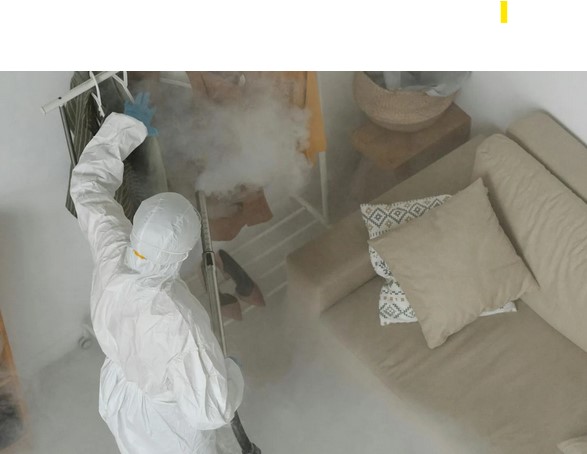
Think your home is safe from pests just because you don’t see them? Think again. Hidden pest infestations are far more common than most homeowners realize—and they often remain undetected until serious damage has already been done. Whether it’s structural destruction, health hazards, or financial loss, pests know how to stay out of sight while causing maximum harm.
The good news? You can outsmart them. The key is knowing what to look for and acting before the problem grows beyond your control.
1. Unexplained Odd Smells: Is That Scent a Warning Sign?
Unfamiliar and unpleasant odors are often the first indicators of a hidden pest infestation. While homeowners may chalk these smells up to humidity or poor ventilation, the reality is that many pests carry distinct, foul odors.
Rodents, for example, leave behind a pungent, ammonia-like scent caused by their urine. This smell is especially noticeable in enclosed spaces like cupboards, pantries, attics, and basements. Cockroaches emit a musty, oily odor due to the pheromones they release to communicate and mark their territory. Termite infestations produce a damp, moldy smell, often mistaken for water damage.
2. Strange Noises at Night: What’s Lurking in the Silence?
Your home should be peaceful and quiet at night. If it isn’t, pests may be to blame. Rodents are notorious night owls, and their scurrying, scratching, and gnawing become especially obvious when the house is silent.
You might hear them moving inside your walls, running across attic beams, or gnawing at furniture and wires. Squirrels can also become unwelcome attic guests, producing heavier thumping noises as they stash food and build nests.
Insects aren’t entirely silent either. Large cockroach infestations produce faint rustling sounds as they move through paper, cardboard, and clutter. Termites can sometimes be heard as a soft clicking or tapping noise when a colony is particularly active behind walls.
3. Droppings and Urine Trails: Are You Ignoring the Obvious?
Pest waste is one of the clearest and most concerning signs of an infestation. Rodent droppings are typically small, dark, and pellet-shaped, often found near food storage, along baseboards, or under kitchen appliances. Mice leave droppings about the size of a grain of rice, while rat droppings are larger and more oval-shaped.
Cockroach droppings look like tiny black specks resembling coffee grounds or black pepper and often accumulate in kitchen drawers, cabinets, and corners.
In addition to droppings, you might notice urine trails. Using a UV flashlight, you can often spot rodent urine along common travel paths, which glow under the light. These trails pose serious health hazards, potentially carrying dangerous bacteria and viruses like salmonella and hantavirus.
4. Mysterious Property Damage: What’s Chewing Through Your Home?
Pests don’t just hide in your home—they actively destroy it. Rodents constantly gnaw on materials to control their ever-growing teeth, leading to chewed electrical wires, damaged insulation, and holes in drywall. This behavior not only weakens the structure of your home but also creates fire hazards from exposed wiring.
Termites silently consume the very foundation of your home. They eat wood from the inside out, which means you might not notice their presence until significant damage is done. Tap on wood structures—if they sound hollow or crumble under pressure, termites could be at work.
Carpenter ants, unlike termites, don’t eat wood but burrow through it to create nests. Over time, this can weaken beams and floorboards, leading to creaking floors, sagging ceilings, and stuck doors.
5. Unusual Pet Behavior: Is Your Pet Trying to Warn You?
Animals often sense things long before humans do. Dogs and cats have heightened hearing and smell, making them excellent detectors of hidden pests.
If your usually calm pet starts behaving oddly—staring at walls, growling at empty corners, barking at vents, or scratching at the floor—it could be reacting to sounds and smells associated with pests. Cats may become fixated on small openings or refuse to leave certain areas, while dogs might grow restless and agitated, especially at night when pests are most active.
6. Live or Dead Insects Indoors: Just the Tip of the Iceberg?
While it’s normal to occasionally find an insect indoors, repeated sightings of the same species suggest a larger infestation. Cockroaches, ants, and termites are masters of hiding, but when their populations grow, some inevitably wander into view.
Seeing insects during daylight hours, especially cockroaches, is an alarming sign. Cockroaches are nocturnal, so if they’re brave enough to appear in the open during the day, it often means their hiding spaces are overcrowded.
7. Greasy Smudge Marks: Are Rodents Mapping Your Walls?
Rodents stick to familiar routes when navigating your home, often running along the same walls and under the same cabinets. As they squeeze through tight spaces, the oils and dirt from their fur leave behind greasy smudge marks on walls, floors, and baseboards.
These marks are usually found along low-traffic areas, behind kitchen appliances, and near food storage. In older homes with gaps and crevices, these pathways may be more obvious. Over time, these travel routes become well-defined highways for pests, guiding them safely through your home’s hidden spaces.
8. Tiny Holes and Tunnels: Are Hidden Highways Destroying Your Home?
Small holes near baseboards, in drywall, or at the back of kitchen cabinets might seem insignificant, but they could be critical entry points for pests. Mice can squeeze through holes as small as a dime, while rats only need an opening the size of a quarter.
Termites construct mud tubes to protect themselves as they travel between their colony and food sources. These tubes, often found on foundation walls or basement supports, are a sure sign of termite activity. Carpenter ants, meanwhile, leave small piles of sawdust-like material called frass near their nesting sites, evidence of their ongoing excavation efforts.
9. Damaged Fabrics and Upholstery: Are Fabric Pests Feasting on Your Belongings?
If you’ve found unexplained holes in your clothing, blankets, or upholstered furniture, fabric pests like moths, carpet beetles, or silverfish could be the culprits. These pests thrive in dark, undisturbed areas like closets, attics, and under furniture.
Moths are particularly drawn to natural fibers such as wool, silk, and cotton. Carpet beetles feed on lint, hair, and even pet dander, making upholstered furniture an ideal feeding ground. Silverfish prefer damp, dark environments and will chew through book bindings, wallpaper glue, and clothing alike.
10. Warped or Sagging Walls and Floors: Is Structural Damage Already Happening?
Your home’s structural integrity is its first line of defense against pests—and pests know exactly how to undermine it. Termites and carpenter ants weaken wooden supports by hollowing them out from within. Over time, this leads to warped walls, sagging floors, cracked ceilings, and door frames that no longer close properly.
You might first notice subtle changes like creaking floorboards or windows that become difficult to open. These may seem like minor annoyances, but they often point to major underlying structural problems. Left unaddressed, these issues can lead to costly renovations and even threaten the safety of your home.
When to Call a Professional: Don’t Wait Until It’s Too Late
While some minor pest problems can be handled with DIY methods, hidden infestations require professional expertise. Ignoring these warning signs allows pests to multiply unchecked, turning a manageable problem into a full-blown crisis.
Posts on this site may contain sponsored content, paid link placements, or affiliate links. I may earn a commission or fee if you click a link or purchase through these recommendations at no additional cost to you.
Pest control experts don’t just eliminate the current infestation—they identify entry points, remove attractants, and implement long-term prevention strategies. With advanced detection tools like thermal imaging and moisture meters, they can uncover hidden colonies and damage before it’s visible to the naked eye.
Don’t Let Hidden Pests Take Control of Your Home
Pests are expert invaders, often going unnoticed until the damage is irreversible. From contaminated food supplies and allergy flare-ups to costly repairs and fire hazards, the consequences of ignoring these warning signs can be severe.
Protect your home by staying vigilant and acting swiftly when any of these signs appear. Remember, the earlier you detect and address the issue, the easier and less expensive it is to resolve.
If in doubt, don’t hesitate—call a professional pest control service and reclaim the comfort and safety of your home.
