
Your home should be your sanctuary… A place that not only looks beautiful but also aligns with your values and lifestyle. Whether you’re moving into a new space, refreshing tired rooms, or embarking on a complete home makeover, the decisions you make about furniture, design elements, and even disposal methods can significantly impact both your living experience and environmental footprint. Creating a home that truly reflects who you are requires thoughtful planning, sustainable choices, and an understanding of how different elements work together to create cohesive, functional spaces.
The journey of home transformation has evolved dramatically over the past decade. Today’s homeowners are more conscious than ever about making choices that balance aesthetics with responsibility. This shift reflects a growing awareness that our homes should not only serve our immediate needs but also contribute positively to our communities and environment. From selecting furniture that will stand the test of time to choosing materials that reflect our values, every decision becomes an opportunity to create something meaningful.
What makes this particularly exciting is how accessible great design has become. No longer reserved for those with unlimited budgets or professional design teams, creating beautiful, functional spaces is now within reach for anyone willing to invest time in thoughtful planning and smart choices. The key lies in understanding how to balance immediate desires with long-term vision, practical needs with aesthetic goals, and personal style with sustainable practices.
The Psychology of Home: Why Your Environment Matters More Than You Think
The spaces we inhabit have a profound impact on our mental health, productivity, and overall well-being. Research in environmental psychology consistently shows that our surroundings influence everything from our stress levels to our creativity and social interactions. Understanding these connections helps us make more intentional choices about how we design and arrange our living spaces.
Color psychology plays a crucial role in how we experience our homes. Warm tones like terracotta and deep blues can create feelings of comfort and security, while cooler shades often promote focus and tranquility. The key is finding the right balance for your lifestyle and the activities that take place in each room. A home office might benefit from energizing yet focused colors, while a bedroom requires hues that promote relaxation and rest.
Lighting represents another critical element that dramatically affects both the functionality and mood of our spaces. Natural light remains the gold standard, boosting vitamin D production and regulating our circadian rhythms. However, thoughtful artificial lighting can extend the usability of spaces and create ambiance that transforms throughout the day. Layer different types of lighting—ambient, task, and accent—to create versatility in how you use and experience each room.
The concept of biophilic design—incorporating natural elements into our living spaces—has gained significant traction as people recognize the inherent human need for connection with nature. This doesn’t necessarily mean filling every room with plants (though that’s certainly one approach). It might involve choosing materials with natural textures, incorporating water features, or ensuring that windows frame views of outdoor spaces.
Flow and functionality determine how comfortable and efficient our daily routines become. The best-designed homes feel effortless to navigate, with logical pathways between frequently used areas and intuitive storage solutions that keep clutter at bay. This requires thinking beyond individual rooms to consider how spaces connect and support the rhythms of daily life.
Personal expression through decor and furniture choices helps create spaces that feel authentically yours rather than showroom replicas. This might mean displaying collections that tell your story, choosing furniture with interesting histories, or incorporating handmade elements that reflect your values and interests. The goal is creating spaces that feel lived-in and loved, not just perfectly styled.
Sustainable Living Starts at Home: Making Responsible Choices
The environmental impact of our home choices extends far beyond the walls of our living spaces. From the materials used in furniture construction to the lifecycle of household items, every decision presents an opportunity to reduce our environmental footprint while creating beautiful, functional homes. This awareness has sparked a movement toward more thoughtful consumption and waste reduction in home design and maintenance.
Understanding the true cost of furniture involves looking beyond the initial price tag to consider factors like durability, repairability, and end-of-life disposal. Fast furniture—cheaply made pieces designed for short-term use—often ends up in landfills within a few years, contributing to environmental waste while failing to provide long-term value to homeowners. Quality pieces, while requiring higher upfront investment, often prove more economical over time while significantly reducing environmental impact.
Posts on this site may contain sponsored content, paid link placements, or affiliate links. I may earn a commission or fee if you click a link or purchase through these recommendations at no additional cost to you.
Responsible disposal practices have become increasingly important as awareness grows about furniture waste in landfills. Many items that seem beyond repair can actually be recycled, refurbished, or repurposed when handled by proper channels. Professional services for furniture disposal singapore ensure that unwanted pieces are processed responsibly, with usable materials diverted from landfills and hazardous components handled safely. This approach allows homeowners to refresh their spaces with confidence that their environmental impact is minimized.
Material choices throughout the home reflect our values and priorities. Sustainable materials like bamboo, reclaimed wood, and recycled metals offer durability and beauty while supporting environmental goals. These materials often develop character over time, creating spaces with stories and depth that mass-produced alternatives cannot match.
Energy efficiency considerations extend beyond appliances to include furniture placement and room design. Strategic arrangement of seating areas near natural light sources reduces the need for artificial lighting during the day. Choosing lighter colors for walls and furniture can help rooms feel brighter with less artificial illumination, while proper insulation and window treatments contribute to overall energy efficiency.
The impact of transportation in furniture choices often goes unconsidered but represents a significant factor in environmental footprint. Locally made furniture reduces transportation emissions while supporting regional economies and craftsmanship traditions. When local options aren’t available, choosing pieces from companies with transparent supply chains and sustainable transportation practices helps minimize environmental impact.
Creating Functional Beauty: The Art of Space Planning
Effective space planning transforms houses into homes by ensuring that every square foot serves a purpose while contributing to the overall aesthetic and functional goals of the space. This process requires balancing practical needs with design aspirations, creating rooms that work for daily life while inspiring and delighting their inhabitants. The best space plans feel effortless, supporting natural movement patterns and daily routines without calling attention to their careful orchestration.
Understanding traffic flow patterns helps create spaces that feel comfortable and efficient. High-traffic areas need durable materials and clear pathways, while quiet zones can accommodate more delicate finishes and intimate seating arrangements. Consider how people move through spaces during different times of day and various activities. A kitchen island might serve as a morning coffee station, afternoon homework spot, and evening entertaining hub, requiring design flexibility to support these varied uses.
Furniture selection requires balancing individual piece appeal with overall room composition. Each item should serve multiple functions when possible—a storage ottoman that provides seating and organization, a dining table that doubles as a workspace, or shelving units that display treasures while hiding everyday clutter. This approach maximizes functionality without sacrificing style, creating spaces that work harder while looking effortless.
Scale and proportion significantly impact how spaces feel and function. Oversized furniture can overwhelm smaller rooms, while pieces that are too small get lost in larger spaces. The key lies in finding the sweet spot where furniture feels proportionate to both the room and its inhabitants. This doesn’t mean everything must be the same size—varying heights and scales creates visual interest while maintaining overall harmony.
Quality furniture investments anchor successful room designs while providing lasting value and enjoyment. Companies like Hipvan furniture sg specialize in pieces that combine contemporary design with practical functionality, offering options that support various lifestyle needs while maintaining aesthetic appeal. When selecting major furniture pieces, consider how they’ll adapt to potential future changes in use patterns, room arrangements, or even relocations.
Lighting design requires layering different sources to create versatility throughout the day. Ambient lighting provides general illumination, task lighting supports specific activities like reading or cooking, and accent lighting highlights architectural features or decorative elements. Smart lighting systems allow easy adjustment of intensity and color temperature, supporting natural circadian rhythms while providing the right atmosphere for different activities and moods.
The Kitchen: Heart of the Modern Home
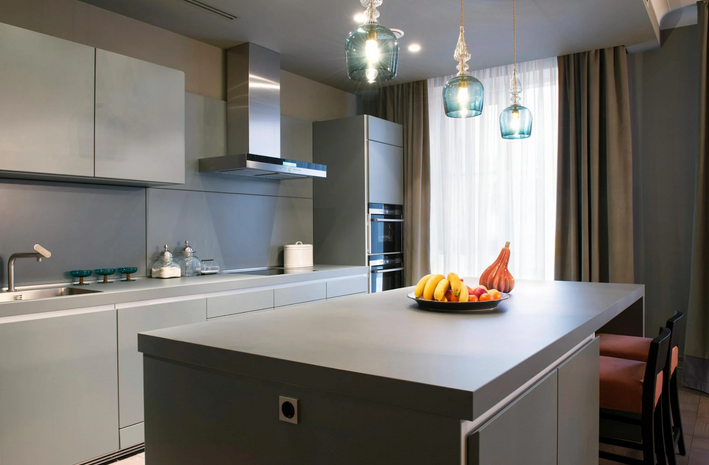
The kitchen has evolved far beyond its traditional role as purely functional workspace to become the social and emotional center of most homes. This transformation reflects changing lifestyle patterns where cooking, entertaining, working, and family time often happen simultaneously in kitchen spaces. Designing kitchens that support this multifunctionality while maintaining efficiency and beauty requires careful consideration of layout, materials, and design elements.
Material selection in kitchens must balance aesthetic appeal with practical durability requirements. Countertops need to withstand heat, scratches, and stains while looking beautiful day after day. Backsplashes protect walls from cooking splashes while providing opportunities for design expression. Flooring must handle spills and heavy traffic while remaining comfortable for extended standing periods during meal preparation.
Regular maintenance, such as tile cleaning, also plays a crucial role in preserving the beauty and hygiene of kitchen floors and walls, ensuring that surfaces remain spotless and long-lasting
Wall treatments in kitchens offer opportunities to introduce color, texture, and personality while serving practical protective functions. Quality kitchen wall tiles provide both beauty and functionality, offering easy maintenance while creating focal points that enhance the overall design scheme. Tile selections can dramatically influence the kitchen’s character—from sleek subway tiles that support minimalist aesthetics to bold patterns that create dramatic visual impact.
Storage efficiency becomes paramount in kitchen design, where numerous items of varying sizes need organized, accessible homes. Deep drawers often prove more functional than traditional cabinets for pot and pan storage. Pull-out shelves make corner cabinets accessible. Vertical dividers keep baking sheets and cutting boards organized. The goal is creating systems that make cooking and cleanup more efficient while keeping countertops clear for food preparation.
Color schemes in kitchens should support the room’s multiple functions while reflecting personal style. Neutral backgrounds provide flexibility for changing accessories and seasonal decorations, while accent colors can be introduced through backsplashes, artwork, or small appliances. The best kitchen color schemes feel fresh and energizing without being overwhelming, supporting both morning coffee routines and evening dinner parties.
Living Spaces That Actually Work for Real Life
Living rooms and family spaces face the challenging task of supporting relaxation, entertainment, conversation, and often work activities within a single area. Creating spaces that gracefully accommodate these varied functions requires thoughtful planning and flexible design approaches. The most successful living spaces feel comfortable for everyday use while being ready for special occasions without major rearrangement.
Seating arrangements significantly impact how spaces feel and function. Conversation areas benefit from arrangements that allow easy eye contact and comfortable speaking distances. Entertainment zones need clear sightlines to televisions or other focal points. Quiet reading corners require good lighting and minimal distractions. The best living room layouts create distinct zones for different activities while maintaining visual and spatial connection throughout the space.
Furniture durability becomes particularly important in family living spaces where pieces must withstand daily use while continuing to look attractive. Quality construction ensures that pieces maintain their appearance and function despite regular use. Fabric choices should consider both aesthetic appeal and practical maintenance requirements. Performance fabrics have evolved significantly, offering beautiful options that resist stains and wear while feeling luxurious.
Technology integration in living spaces requires balancing modern convenience with aesthetic appeal. Wall-mounted televisions should be positioned at comfortable viewing heights while minimizing visual dominance when not in use. Cable management keeps spaces looking clean and organized. Charging stations for devices can be integrated into furniture or built into walls to reduce clutter while ensuring devices stay powered and accessible.
Lighting design in living spaces should support the room’s various functions while creating ambiance for different moods and activities. Multiple light sources at various heights create depth and visual interest. Dimmable options allow easy adjustment from bright task lighting for reading to soft ambient lighting for movie nights. Table lamps, floor lamps, and overhead fixtures should work together to eliminate harsh shadows while providing adequate illumination for all activities.
Bringing It All Together: Your Home Transformation Action Plan
Creating a home that truly reflects your values, supports your lifestyle, and brings you daily joy requires more than just good intentions—it demands a strategic approach that balances immediate needs with long-term vision. The most successful home transformations happen when homeowners take time to understand their priorities, research their options, and make decisions that align with both their aesthetic preferences and practical requirements.
Start by honestly assessing your current space and identifying what works well versus what needs improvement. This evaluation should consider both functional and aesthetic elements. Does the furniture arrangement support how you actually use the space? Are there storage problems that create daily frustration? Do the colors and textures make you feel energized or relaxed as intended? Understanding these baseline conditions helps prioritize improvement efforts and budget allocation.
Consider the interconnections between different rooms and design decisions. Changes in one area often impact how other spaces feel and function. A new sofa color might influence dining room artwork choices. Kitchen renovations might affect adjacent living areas. Thinking holistically about these relationships helps create cohesive design throughout the home while avoiding costly mistakes or conflicts between different areas.
Plan for responsible disposal of replaced items well in advance of new purchases. This prevents good intentions from being derailed by logistics challenges when old furniture needs to leave to make room for new pieces. Understanding your options for donation, resale, or professional disposal services ensures that your home improvement projects don’t create unnecessary waste or last-minute stress.
Conclusion: Creating Homes That Reflect Who We Are
The journey of creating a home that truly reflects your values and supports your lifestyle is deeply personal and infinitely rewarding. It requires balancing practical needs with aesthetic desires, immediate wants with long-term vision, and individual preferences with environmental responsibility. The homes that bring the greatest satisfaction are those that feel authentic to their inhabitants while supporting daily life in beautiful, functional ways.
The investment you make in creating beautiful, functional, sustainable living spaces pays dividends far beyond their immediate visual and practical benefits. Thoughtfully designed homes support better mental health, stronger relationships, increased productivity, and deeper satisfaction with daily life. They also contribute to environmental sustainability and community well-being through responsible consumption and disposal practices.
Most importantly, the process of creating your ideal home should bring joy and satisfaction, not stress and overwhelm. Take time to enjoy the journey of discovery, learning, and creation. Celebrate small improvements while working toward larger goals. Trust your instincts about what feels right for your lifestyle while remaining open to new ideas and approaches.
Your home is more than just a collection of rooms and furniture—it’s the backdrop for your life, the foundation for your relationships, and the daily environment that shapes your experiences and memories. By approaching its creation with intention, care, and sustainable practices, you’re not just improving your living space but investing in your overall quality of life and contributing to a more responsible, beautiful world.
