
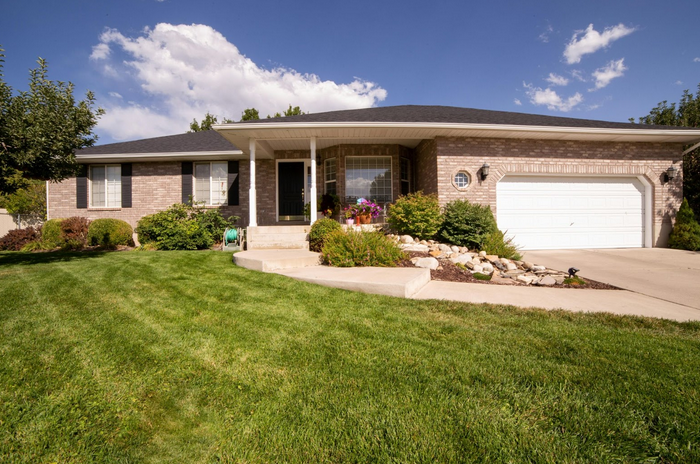
The thought of replacing a roof can be quite daunting for homeowners. Factors like budget constraints, choosing the right materials and finding a reliable contractor often weigh heavily on your mind. However, understanding the steps to take when you decide it’s time for a new roof can make the process much smoother. Here’s a detailed guide on what actions you should undertake first.
Assessing the Condition of Your Roof
Before making any decisions about roof replacement, it’s vital to assess its current state. Start by observing signs of damage such as missing shingles, leaks, or sagging areas. A roof’s lifespan varies depending on its material; asphalt shingles typically last around 20 years, while metal and tile roofs can last anywhere from 40 to 70 years. Knowing how long your roof has been in place can guide your evaluation. If you’re unsure about the condition of your roof, consider hiring a professional inspector. This step helps you get an accurate assessment of any underlying issues that may not be visible from the ground. Some contractors offer free roof inspections and estimates. Make sure to compare these findings with industry standards to ensure they align.
Understanding Your Options
Once you know that your roof needs replacing, familiarize yourself with the different roofing materials available. Factors like durability, maintenance, and aesthetics come into play here. Common roofing materials include:
– Asphalt shingles
– Metal roofing
– Tile
– Slate
– Wood shingles
Each material has its pros and cons. For instance, while asphalt shingles are cost-effective and easy to install, metal roofs provide longevity and energy efficiency. You can consult with a roof replacement company to understand the options suited to your climate and home style.
Determine Your Budget
Budgeting for a roof replacement involves more than just the cost of materials. Other expenses may include labor, permits, and unexpected repairs during installation. Generally, the cost for a complete roof replacement can range from $5,000 to over $30,000, depending on factors such as size and material. To manage these costs:
– Set a realistic budget including all potential expenses.
– Consider setting aside 10% of your budget for unexpected costs.
– Research financing options if you’re unable to pay outright. Some roofing companies offer financing plans to make the investment easier on your wallet.
Researching and Choosing a Roofing Contractor
Posts on this site may contain sponsored content, paid link placements, or affiliate links. I may earn a commission or fee if you click a link or purchase through these recommendations at no additional cost to you.
Choosing a reputable roofing contractor is a crucial step in the replacement process. Start by researching local options online and asking for recommendations for roof replacements experts from friends and family. Check their reviews and ratings on platforms like Yelp and Google to gauge their reliability. When contacting prospective contractors, ensure they are licensed and insured. Request to see documentation confirming their credentials. It’s also reasonable to obtain multiple quotes for comparison. A reliable contractor can guide you through material choices, installation timelines, and potential issues.
Understanding Local Building Codes
Before any installation begins, familiarize yourself with local building codes and permit requirements. Depending on where you live, certain restrictions may apply regarding roofing materials and installation methods. Lack of compliance can lead to fines or forced removal of an improperly installed roof. Your chosen contractor should be knowledgeable about local regulations and can help you secure the necessary permits. Make sure to discuss this step during your consultation to ensure everything is in order before work begins.
Planning for the Installation Process
Once you have selected a contractor and finalized your choices, plan for the actual installation. Work with your contractor to choose a start date that is convenient for you. Considerations such as the weather and availability of materials will factor into this decision. Communication is key to a smooth installation process. Prepare your property by removing any outdoor furniture and ensuring clear access to all areas of your roof. Your contractor should also inform you of any precautions you need to take during the installation to protect your home and property.

Preparing for the Aftermath
After installation, there are a few important steps to ensure that your new roof lasts as long as possible. First, schedule a post-installation inspection. This step helps identify any issues that might need attention right away. In addition to visual inspection, check that all debris from the installation has been removed from your property. Create a maintenance plan by scheduling regular inspections—every three years is often recommended. Keep an eye out for signs of wear or damage and take care of any issues promptly. This can save you significant costs in the long run by preventing larger problems from developing.
Insurance Coverage and Claims
Finally, understanding your insurance coverage is a critical part of the roof replacement process. Review your homeowner’s insurance policy to see if it covers roof damage and replacement. If it does, document the condition of your old roof with photos and provide this information to your insurance company. When filing a claim, ensure you have any necessary paperwork ready. This may include quotes from contractors, receipts, and photographs of damages. Connecting with your insurance adjuster and contractor early on can help streamline the claims process.
Recognizing the Signs of a Quality Roof
Once your new roof is installed, knowing how to evaluate whether it’s been completed successfully is key. Quality roofs should have properly aligned shingles with no visible lifting or curling. The flashing should be well-installed to prevent leaks, and any vents or chimneys ought to be seamlessly integrated into the roofing structure. Speak to your contractor during the final walk-through to address any immediate concerns. Doing this ensures that you’re satisfied with the workmanship and can enjoy your new roof without worry.
Eco-friendly Considerations
As more homeowners look for sustainable options, consider eco-friendly roofing materials such as recycled shingles or green roofs. These alternatives not only help the environment but can also improve energy efficiency and potentially lower utility costs. Research options with your contractor regarding sustainability. Many roofers offer eco-conscious solutions that will lessen your carbon footprint while keeping your home looking great.
By taking these initial steps, you’ll feel more confident as you navigate through the roof replacement process. Remember that investing time in understanding your options and preparing adequately can lead to a successful outcome—providing you with peace of mind for years to come.
