
Embarking on a homesteading journey is an exciting adventure for any family. The allure of self-sufficiency, sustainable living, and a closer connection to nature draws many to this lifestyle.
However, setting up a successful homestead requires careful planning and essential elements to ensure a smooth transition.
In this article, we’ll explore six essential components that every family should consider when starting their homestead project.
1. A Thriving Chicken Coop
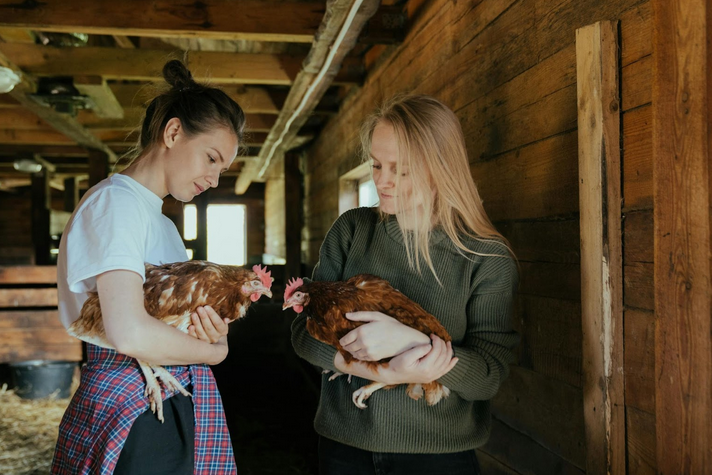
Chickens provide a constant supply of fresh eggs, help with pest control, and can even become endearing pets. When setting up your chicken coop, it’s essential to consider both functionality and comfort for your feathered friends.
Start by choosing the right breed of chickens for your climate and egg production needs. Many homesteaders opt for a variety of breeds to ensure a diverse and colorful eggbasket.
Posts on this site may contain sponsored content, paid link placements, or affiliate links. I may earn a commission or fee if you click a link or purchase through these recommendations at no additional cost to you.
For instance, the Easter Egger chicken is known for laying colorful easter egger eggs, which can add a delightful touch to your breakfast table and even become a unique selling point if you decide to sell surplus eggs.
When designing your coop, ensure it provides adequate space, ventilation, and protection from predators. Include nesting boxes, roosting bars, and a dust bath area for your chickens’ comfort and health.
2. Versatile Land-Clearing Equipment
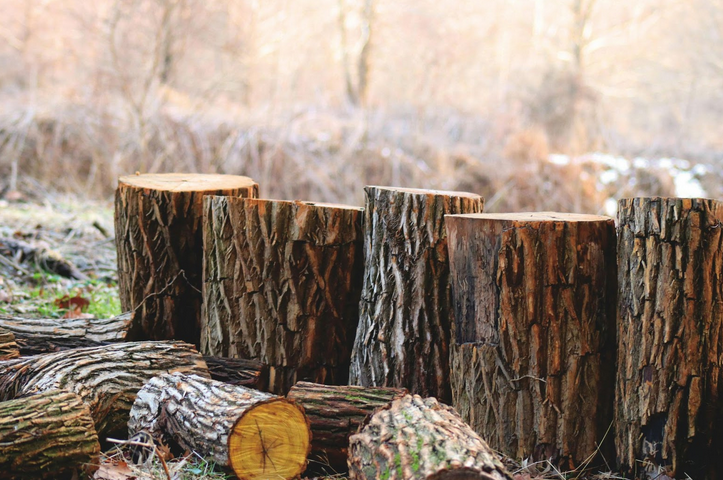
Image by Khari Hayden on Pexels
Alt: pile of brown tree logs outdoors
When establishing a new homestead, you’ll likely need to clear land for various purposes, such as creating garden spaces, pastures, or building sites.
Investing in versatile land-clearing equipment can save you time, effort, and money in the long run. One particularly useful tool is a reliable tree puller skid steer attachment.
A tree puller attachment for your skid steer can efficiently remove small to medium-sized trees and their root systems without the need for chainsaws or stump grinders.
This tool grips the tree trunk and uses the skid steer’s hydraulic power to pull the entire tree, roots and all, out of the ground. This method not only removes the tree but also helps prevent regrowth and eliminates the need for chemical herbicides.
Beyond tree removal, a skid steer with various attachments can be invaluable for other homestead tasks. From digging trenches for irrigation systems to moving heavy materials like compost or building supplies, this versatile machine can significantly increase your productivity and efficiency.
3. Efficient and Eco-Friendly Plumbing Solutions
Proper plumbing is crucial for any homestead, and investing in efficient, eco-friendly solutions can save you money and resources in the long run. One area where you can make a significant impact is by installing new, water-efficient toilets throughout your homestead.
Modern low-flow toilets use significantly less water per flush compared to older models, helping to conserve this precious resource and reduce your water bills.
When considering new toilet costs, remember that the initial investment will be offset by long-term savings on water usage and potential repairs.
You should also consider macerating toilets. They are particularly useful in situations where traditional plumbing is either not feasible or too expensive, such as in basements, attics, or locations far from the main sewage line. Their less invasive installation may also mean better savings compared to conventional toilets.
| How Macerating Toilets Work: A macerating toilet uses a built-in pump and blades to grind the waste into a fine slurry, which is then pumped through small pipes to the main sewer or septic system. It’s ideal for cost-effective and non-invasive setups. |
4. Renewable Energy Systems
Incorporating renewable energy systems into your homestead is an excellent way to reduce your environmental impact and increase your self-sufficiency. Here’s a breakdown of popular renewable energy systems, their benefits, and key considerations to help you decide what works best for your property:
| Energy System | Key Benefits | Considerations |
| Solar Panels | Provides clean, abundant energy directly from the sun | Requires upfront investment; ideal for sunny climates |
| Wind Turbines | Harnesses wind for electricity, especially in windy areas | Needs open space and consistent wind speeds |
| Hydropower Systems | Generates energy from flowing water on your property | Requires access to a stream or river; can impact ecosystems |
| Geothermal Systems | Efficient heating and cooling using the earth’s temperature | Higher initial costs; dependent on specific site geology |
Don’t forget to incorporate energy storage solutions, such as battery banks, to ensure a stable power supply during times of low production or grid outages.
5. Diverse Edible Landscaping

Image by Rachel Claire on Pexels
Creating a diverse edible landscape is a cornerstone of successful homesteading. By integrating food-producing plants throughout your property, you can maximize your land’s productivity while creating a beautiful and functional outdoor space. Here are some ideas for your diverse edible landscaping:
- Fruit and nut trees: Give shade, windbreaks, and long-term food production
- Berry bushes: Provide attractive and productive shrubs that also serve as natural borders
- Herbs: Add culinary and medicinal resources that integrate well into flower beds
- Vining crops: Maximize your growing area in vertical spaces and add architectural interest
A well-designed edible landscape not only provides your family with fresh, nutritious food but also creates a beautiful, productive environment that supports local wildlife and pollinators.
6. Multi-Purpose Outbuildings
As your homestead grows and evolves, you’ll likely find the need for additional structures to support your various projects and activities. Investing in versatile, multi-purpose outbuildings can help you maximize space and adapt to changing needs over time.
A well-designed barn or workshop can serve multiple functions, from housing livestock to providing space for equipment storage and repair. Consider incorporating features like movable partitions or modular components that allow you to reconfigure the space as needed.
A greenhouse is another valuable addition to any homestead, extending your growing season and providing a controlled environment for starting seedlings or cultivating more delicate crops.
| Multi-Purpose Space: Consider adding a space that can serve as a classroom, community gathering area, or guest accommodation. This can be particularly valuable if you plan to host workshops or agritourism activities on your homestead. |
Your Journey to Sustainable Living
Remember that homesteading is a journey, and your needs may evolve over time. Start with the essentials and gradually expand your projects as you gain experience and confidence. With patience, creativity, and a willingness to learn, your family’s homestead can become a thriving example of sustainable living and a legacy for future generations.
