
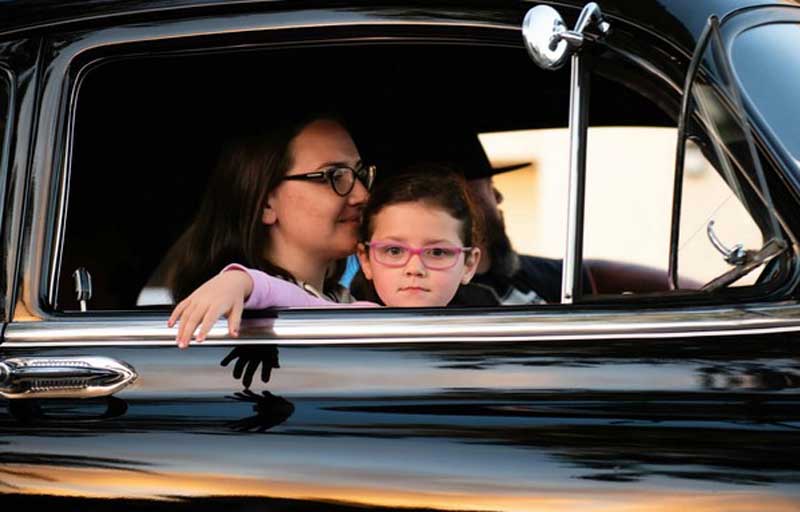
As a parent, nothing matters more than your child’s safety, even when you’re on the road. Car crashes remain one of the leading causes of injury and death among children worldwide. Every time you buckle your child in, you’re making choices that could save their life. Understanding how road accidents happen and what safety measures are critical can make a real difference. No matter how careful you are behind the wheel, accidents can happen in seconds. Preparing for the worst is part of protecting your child.
Distracted Driving Is One of the Biggest Threats
Posts on this site may contain sponsored content, paid link placements, or affiliate links. I may earn a commission or fee if you click a link or purchase through these recommendations at no additional cost to you.
Managing kids in the back seat, handing out snacks, reaching for dropped toys, or even just turning around to soothe a crying child pulls your focus away from the road. Even a few seconds of distraction can lead to tragedy. When it comes to distracted driving, the victim of a catastrophic accident in Durham, NC, or other cities across the country, could be anyone – from the driver themselves to innocent passengers, including children, who suffer the consequences of a few seconds of inattention. Organize snacks, toys, and essentials within arm’s reach before starting your drive.
Proper Car Seat Usage Is Non-Negotiable
Studies show that using an appropriate car seat reduces the risk of fatal injury by up to 71% for infants and 54% for toddlers. You must pick a car seat that matches your child’s age, weight, and height. Rear-facing seats are safest for infants and should be used as long as possible, usually until at least age two. Always double-check the installation – even a small mistake can make a seat useless in a crash. The seat should not move more than an inch in any direction when pulled at the base. Remember that car seats have expiration dates, and accidents-even minor ones-mean it’s time for a replacement..
Seat Belts Are Critical at Every Age
Your child must be tall enough for the seat belt to fit correctly – the lap belt across the upper thighs (not the stomach) and the shoulder belt across the chest (not the neck). An improperly worn seat belt can cause severe internal injuries during a crash. Never let your child tuck the shoulder belt behind their back or under their arm because it feels more comfortable. Never compromise on backseat riding. Children under 13 are safest in the back seat, away from the force of airbags in case of a collision. Seat belts save lives, but only when they are worn properly.
Speeding Increases the Risk for Everyone
When you speed, you dramatically increase the risk of accidents and the severity of injuries when they happen. Children are particularly vulnerable because their bodies are smaller and more fragile. Even if you’re running late for school, soccer practice, or an important event, resist the urge to rush. Teach your children that getting somewhere safely is more important than getting there quickly. Lead by example. If you are constantly stressed and speeding with your kids in the car, they absorb that behavior and will be more likely to drive recklessly when they grow up.
Weather Conditions Demand Extra Caution
When conditions are less than perfect, you need to slow down, increase following distance, and adjust your driving style accordingly. Hydroplaning, black ice, and low visibility are major threats that many drivers underestimate. Always check the weather before heading out and plan extra time into your schedule so you aren’t pressured to drive aggressively in bad conditions. Make sure your car is well-maintained – good tires, working wipers, and functional brakes are important for safe driving. Talk to your children about why you’re driving more carefully when the weather is bad. It helps them understand that safety comes first, no matter how inconvenient it might be.
Setting a Good Example Builds Lifelong Habits
If you preach seat belt safety but regularly forget to buckle up yourself, your message is lost. If you yell at other drivers, drive aggressively, or text at red lights, your kids notice – even if you think they’re too young to understand. Building safe driving habits in your children starts from the very first car ride. Always buckle up, stay calm behind the wheel, respect traffic rules, and handle frustrations with patience. Your children will be behind the wheel themselves, making split-second decisions that could save lives. The foundation you lay now will shape how seriously they take those responsibilities in the future.
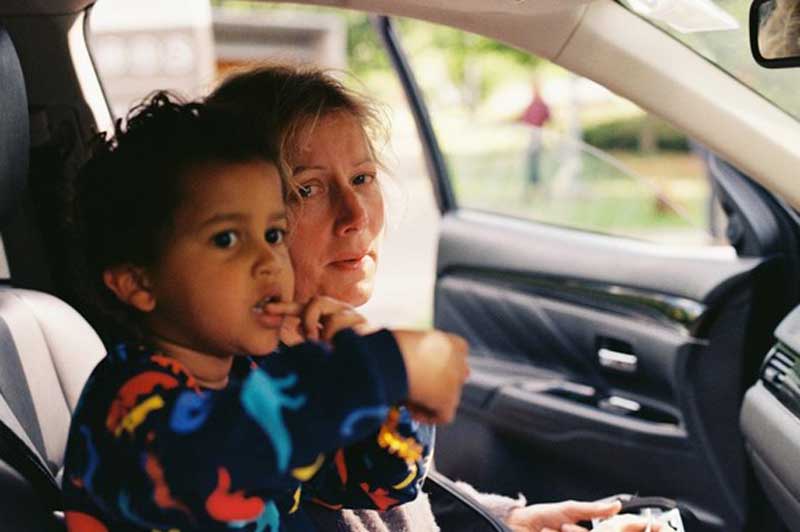
Keeping your child safe on the road isn’t just about using a car seat – it’s about the choices you make every single day. From proper seat belt use and avoiding distractions to adjusting for weather and setting a good example, every decision matters. Road accidents can happen in an instant, but the habits and precautions you build today will give your child the best possible protection. You can’t control other drivers or unpredictable events, but you can control how seriously you take road safety. Protect your children not just with words, but with actions that show them their safety is your top priority every mile of the way.
