
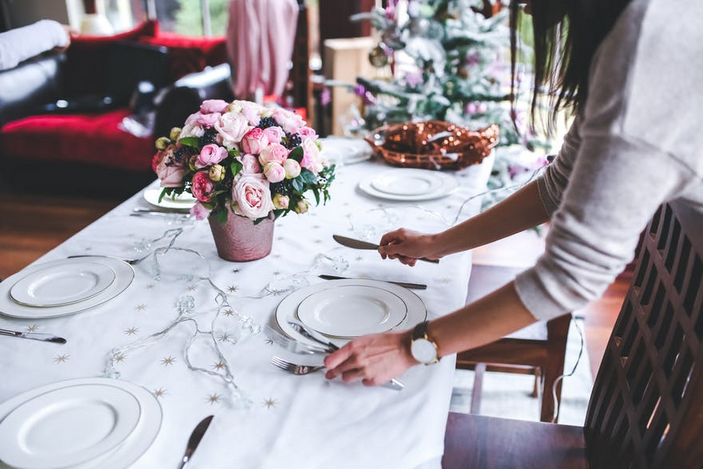
The impact of food presentation on the dining experience cannot be underestimated. Whether they are corporate gatherings, weddings, or upscale parties, a memorable meal requires meticulous attention to both appearance and taste. Presentation sets the stage, enticing guests with visual appeal, whereas flavor secures their lasting impression.
Strike a balance between artistry, food quality, and presentation to achieve an unforgettable experience. If you don’t know how to blend these aspects, take a closer look at some of the tips below.
The Art of Food Presentation
Food presentation can transform ordinary dishes into extraordinary visual experiences. Various techniques can improve the aesthetics of a plate: the arrangement of the ingredients or the vibrant and colorful garnishes. Use contrasting colors and textures to attract the eye and promote a more enjoyable dining experience. Placing bright vegetables against neutral proteins can create stunning visual contrasts that capture attention.
Even an elegant table setup can amplify the attractiveness of the food, making it more inviting to the guests. A well-executed presentation speaks volumes about the quality of the meal and reflects the effort of the catering.
Seasonality
Posts on this site may contain sponsored content, paid link placements, or affiliate links. I may earn a commission or fee if you click a link or purchase through these recommendations at no additional cost to you.
Seasonal produce typically boasts superior flavor and freshness, adding to the dish’s quality. This approach emphasizes taste and encourages sustainability by supporting local farmers and suppliers. Utilizing what’s in season can inspire creativity in menu crafting and provide chefs with various ingredients to explore. Professional event catering services can create diverse offerings that resonate with guests and reflect the land’s bounty. Featuring seasonal items aligns the event menu with the time and mood of the season. A light, fresh salad in summer or hearty root vegetables in winter both embrace seasonal ingredients and prompt excitement and appreciation for the meal prepared. It’s a thoughtful methodology that showcases a connection to the earth.
Flavor
Flavor is at the heart of any successful dining experience. The taste should resonate with the event’s theme and audience preferences. A meticulously crafted dish that tastes exquisite will leave a lasting impression. The use of fresh, seasonal ingredients can maximize flavor profiles and ensure quality.
Flavor balancing—between sweet, salty, sour, and bitter—creates a favorable gastronomic experience. Each plate should create a symphony of tastes that enrich one another, inviting diners to savor each bite. Event planners should also consider dietary restrictions and flavor preferences so that every guest can enjoy the meal. Delightful flavors leave guests reminiscing about the event long after it has concluded.
Color
Color is a powerful tool in food presentation, influencing perception and taste. Studies indicate that colorful plates can increase appetite and enhance the dining experience. Bright colors evoke feelings of freshness and vitality. Incorporating a rainbow of vegetables and fruits can make a dish more appealing and healthier. A vibrant salad adorned with reds, greens, and yellows is visually stimulating and signals healthfulness.
Specific combinations can enhance the perceived flavor; dishes with a variety of colors are seen as more flavorful. Chefs can take advantage of seasonal variations, using locally-sourced ingredients to showcase natural colors. Creative use of color tantalizes the taste buds and creates aesthetically pleasing arrangements that guests will discuss and remember.
Textures
Incorporating various textures into dishes creates a captivating multi-sensory experience for guests. A perfectly seared piece of fish served alongside a soft mashed potato offers contrasting sensations that excite the palate. Crunchy elements like roasted nuts or crispy vegetables can elevate a dish and encourage engagement with the meal. Chefs should thoughtfully consider texture when designing menus, pairing contrasting elements that complement flavors and enhance overall dining enjoyment.
Texture utility also applies to desserts; a crunchy topping can elevate a classic mousse and provide a wonderful tactile sensation. Such careful attention to texture improves the experience, making every bite an adventure.
Cohesive Dining Experience
The ultimate event dining experience hinges on the seamless integration of various elements, where presentation harmonizes with flavor. Each course should maintain thematic unity so that the guests can journey through flavors that complement one another. Event organizers should consider how the meal aligns with the event’s aesthetic and purpose. Select dishes that taste good and fit the mood and style of the occasion. A formal event may benefit from intricately plated entrees; a casual gathering might favor hearty, family-style servings.
A cohesive dining experience means considering service styles, presentation techniques, and flavor profiles together. Meeting these standards creates an environment where food becomes a centerpiece of connection and celebration. As guests explore each dish, the blend of visual appeal and taste leaves lasting memories that add to the event.
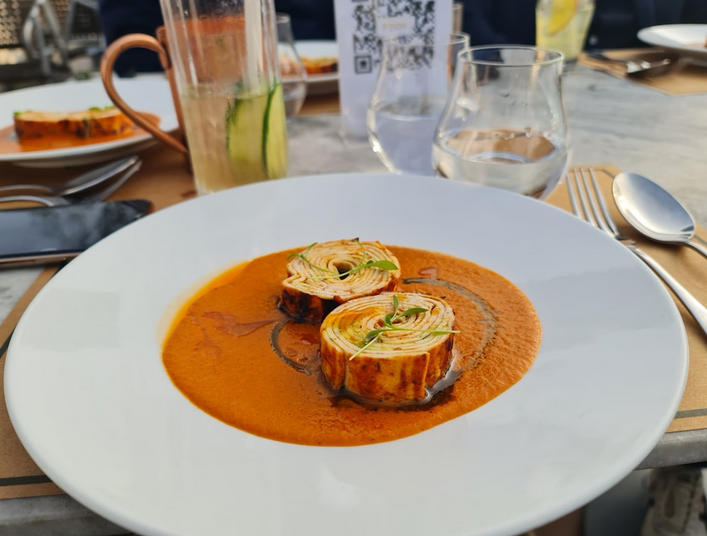
Balance creates the ultimate event dining experience. Attentive planning guarantees that food presentation and flavor work in harmony, captivating guests from the moment of their arrival. Crafting menus rooted in seasonality, color, and texture, alongside quality ingredients and skilled preparation, sets the stage for memorable meals that resonate. Event planners should continue innovating and seeking paths to improve culinary excellence so that guests leave satisfied and eager for their next experience.
