

Caring for a loved one with a chronic condition can be both rewarding and challenging. It requires patience, understanding, and sometimes even expert knowledge about the specific ailment. As a caregiver, you may find yourself juggling various responsibilities, including medical tasks, emotional support, and day-to-day management. This journey can be particularly exhausting, but equipping yourself with practical strategies can make a significant difference for both you and your loved one.
Understand the Condition
Posts on this site may contain sponsored content, paid link placements, or affiliate links. I may earn a commission or fee if you click a link or purchase through these recommendations at no additional cost to you.
One of the first steps in providing effective care is to thoroughly understand the chronic condition your loved one is facing. Read up on the diagnosis, treatment options, and typical symptoms. Knowledge empowers you to make informed decisions and prepare for potential challenges. Consult reliable resources, including medical websites and caregiving books, which can offer valuable insights. Consider reaching out to healthcare professionals for detailed explanations and advice tailored to your loved one’s situation. Engaging in support groups can also expose you to practical experiences from others in similar situations. Remember, your understanding of the condition will enable you to provide emotional and practical support better. It will also help in managing symptoms and recognizing warning signs that require medical attention.
Maintain Open Communication
Communication forms the foundation of any strong relationship, especially in caregiving scenarios. Establishing open and honest dialogues about feelings, needs, and concerns can alleviate stress for both you and your loved one. Encourage your loved one to share their thoughts and feelings candidly, as this will foster an environment of trust. Regularly check in on how they’re feeling, both physically and emotionally. Express your feelings, too—this is important for your, as well as their, mental well-being. Always listen actively, validating their experiences without judgment. This collaborative approach ensures that your loved one feels heard and valued, making their care more personalized and effective.
Establish a Routine
A structured daily routine can significantly enhance the quality of life for someone with a chronic condition. Predictability helps reduce anxiety, allowing your loved one to anticipate their daily activities. This routine should include medication schedules, meal times, and periods for rest and social interactions. Crafting a schedule together can also empower them and give them a sense of control. Tailor activities to fit their energy levels, allowing for adjustments as needed. It’s important to remain flexible, as chronic conditions are often unpredictable. Additionally, incorporating physical activities into the daily regimen can improve their mobility and overall health. Engaging with therapeutic exercises or simple walks can make a difference in their mood and energy levels. A balanced routine not only benefits them but also creates a more manageable caregiving environment for them.
Explore Professional Help and Resources
Finally, do not hesitate to seek professional help and make use of available resources. Home health agencies and support networks offer a variety of services that can significantly assist you and your loved one. Whether it’s finding certified aides for personal care or specialized therapies, leveraging these resources can relieve some financial and physical pressure. Research local organizations that provide caregiver support, respite care, or financial assistance for managing healthcare costs. Taking advantage of these options can provide necessary relief and improve your loved one’s quality of life. Engaging with professionals doesn’t indicate failure; rather, it reflects a commendable commitment to finding the best paths for care. You do not have to shoulder every responsibility alone, and sharing the burden can lead to better outcomes for everyone involved.
Seek Emotional Support
Caregiving can often lead to emotional strain. Therefore, caregivers need to seek emotional support for themselves. This may involve talking to friends, joining support groups, or even engaging in professional counseling. Connecting with others who understand your experiences can provide comfort and practical advice. It’s crucial to take care of your mental health to provide effective care. Quiet moments of self-reflection or mindfulness exercises can also help alleviate stress. Always remember that taking breaks is not a sign of weakness, but rather a necessary part of sustaining your capability to care for your loved one. Establish boundaries to ensure that you also have time for yourself, as this will prevent burnout.
Keep Medical Information Organized
Keeping track of medical information is vital. Organizing documents, such as medical histories, medications, allergies, and healthcare appointments, allows for better communication with healthcare providers. This organization is essential during emergencies when quick access to relevant details can make a significant difference. Consider creating a dedicated folder or digital document that includes all necessary information. Document each healthcare visit, noting changes in symptoms or treatment plans, as this will help you track progress over time. This detailed record can assist healthcare providers in tailoring future treatments to your loved one’s needs. Implementing tools like medication reminders or calendars can also streamline daily tasks.
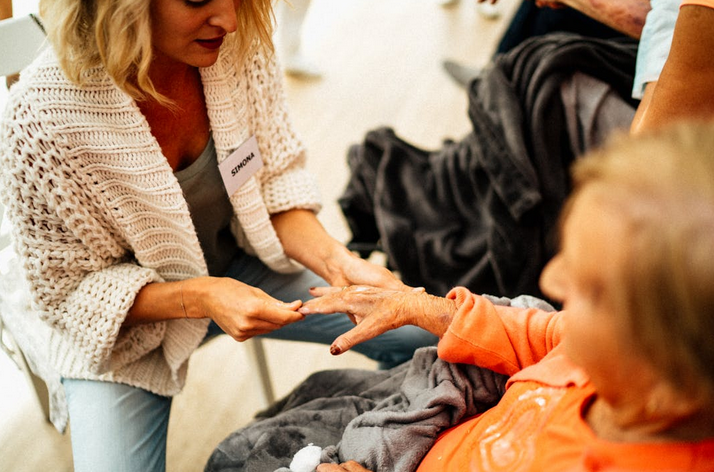
Caring for someone with a chronic condition is a journey filled with challenges and rewards. Learning about the condition, maintaining open communication, establishing routines, seeking emotional support, keeping medical information organized, and exploring professional help are all crucial steps toward effective caregiving. By addressing both the needs of your loved one and yourself, you can create a nurturing environment that promotes healing, comfort, and well-being.
