
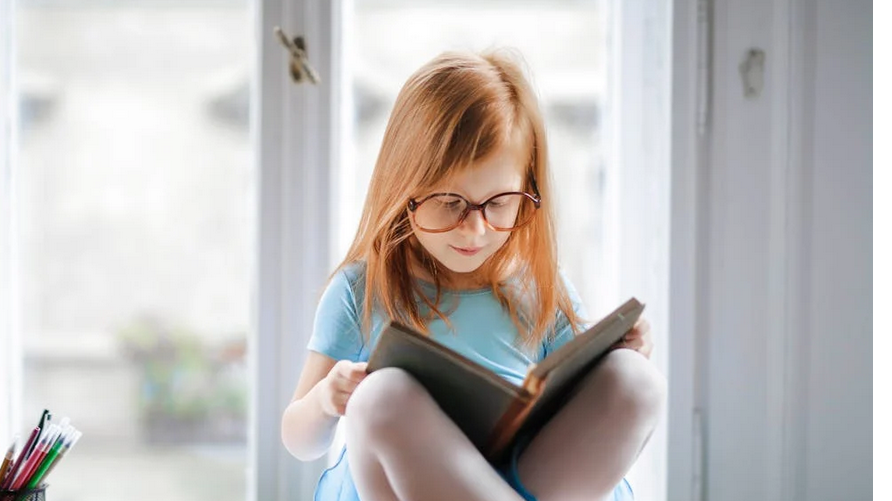
Children rely heavily on their vision for learning and development, making eye health an essential aspect of their overall well-being. However, many children suffer from eye problems that, if left undiagnosed and untreated, can impact their academic performance and quality of life.
Early detection and prevention can significantly reduce the risk of long-term vision issues. This blog post will explore common eye problems in children and provide practical tips on prevention.
Common Eye Problems in Children
1. Refractive Errors (Nearsightedness, Farsightedness, and Astigmatism)
Refractive errors occur when light entering the eye does not focus correctly on the retina, leading to blurred vision. The most common types include:
- Nearsightedness (Myopia): Difficulty seeing distant objects clearly.
- Farsightedness (Hyperopia): Difficulty seeing close objects clearly.
- Astigmatism: Blurred vision due to an irregularly shaped cornea.
Posts on this site may contain sponsored content, paid link placements, or affiliate links. I may earn a commission or fee if you click a link or purchase through these recommendations at no additional cost to you.
Learn more about Astigmatism in children here!
Signs and Symptoms: Squinting, frequent headaches, difficulty reading, sitting too close to the TV, and eye strain.
Prevention and Management: Schedule regular eye exams, encourage outdoor play, and ensure children take breaks from screens and reading materials to reduce eye strain.
2. Amblyopia (Lazy Eye)
Amblyopia is a condition where one eye has weaker vision than the other due to improper visual development. It usually develops in early childhood and can lead to permanent vision impairment if untreated.
Signs and Symptoms: One eye appearing weaker than the other, difficulty with depth perception, and frequent squinting or head tilting.
Prevention and Management: Early detection through vision screening is essential. Treatment options include wearing an eye patch over the stronger eye, using corrective glasses, or undergoing vision therapy.
3. Strabismus (Crossed Eyes)
Strabismus is a misalignment of the eyes where one or both may turn inward, outward, upward, or downward. If left untreated, it can lead to amblyopia and depth perception problems.
Signs and Symptoms: Misaligned eyes, difficulty focusing on objects, frequent closing of one eye, and head tilting.
Prevention and Management: Regular eye exams can help detect strabismus early. Treatment options include glasses, vision therapy, and, in some cases, surgery.
4. Conjunctivitis (Pink Eye)
Conjunctivitis is an infection or inflammation of the conjunctiva, the thin membrane covering the white part of the eye. It can be caused by bacteria, viruses, allergens, or irritants.
Signs and Symptoms: Redness, itchiness, excessive tearing, discharge, and sensitivity to light.
Prevention and Management: Maintain good hygiene by washing hands frequently, avoiding touching the eyes, and not sharing towels or personal items. If the infection is bacterial, antibiotic eye drops may be prescribed.
5. Blocked Tear Ducts
Blocked tear ducts prevent tears from draining properly, leading to excessive tearing and potential infections.
Signs and Symptoms: Watery eyes, recurring eye infections, redness, and swelling in the inner corner of the eye.
Prevention and Management: In many cases, blocked tear ducts clear up on their own. Gentle massage of the tear duct area can help. In persistent cases, a minor surgical procedure may be required.
6. Digital Eye Strain
With increased screen time among children, digital eye strain has become a common issue, causing discomfort and visual fatigue.
Signs and Symptoms: Eye strain, dry eyes, headaches, difficulty focusing, and blurred vision.
Prevention and Management: Follow the 20-20-20 rule (every 20 minutes, look at something 20 feet away for 20 seconds), ensure proper lighting, and limit screen time, especially before bedtime.
How to Prevent Eye Problems in Children
1. Regular Eye Exams
Routine eye exams are crucial for detecting vision problems early. Pediatricians often conduct initial screenings, but a comprehensive eye exam by an optometrist or ophthalmologist is recommended, especially if there are signs of vision issues.
2. Encourage Outdoor Play
Studies suggest that spending time outdoors can help reduce the risk of myopia. Natural light exposure and activities that engage distance vision are beneficial for overall eye health. You can also consider eye relaxation exercises to reduce strain and improve visual comfort.
3. Maintain a Healthy Diet
Proper nutrition plays a significant role in eye health. Foods rich in vitamin A (carrots, sweet potatoes), vitamin C (oranges, strawberries), vitamin E (nuts, seeds), and omega-3 fatty acids (fish, flaxseeds) help maintain good vision.
4. Limit Screen Time
Excessive screen time can contribute to digital eye strain and myopia. Set screen time limits, encourage breaks, and ensure screens are positioned at an appropriate distance and angle to reduce strain.
5. Promote Good Eye Hygiene
Teach children to avoid rubbing their eyes, wash their hands regularly, and not share personal items like towels and eye makeup to prevent infections.
6. Ensure Proper Lighting and Ergonomics
When reading or using screens, ensure the lighting is adequate to prevent strain. Avoid glare on screens, and adjust screen brightness to a comfortable level.
7. Use Protective Eyewear
Children involved in sports or activities that pose a risk of eye injury should wear protective eyewear, such as safety goggles or helmets with face shields.
Conclusion
Children’s eye health is vital for their development and academic success. By being aware of common eye problems and taking proactive steps to prevent them, parents can ensure their children have the best possible vision for learning and daily activities. Regular eye exams, a healthy lifestyle, and good eye care habits can make a significant difference in maintaining optimal eye health throughout childhood.
