
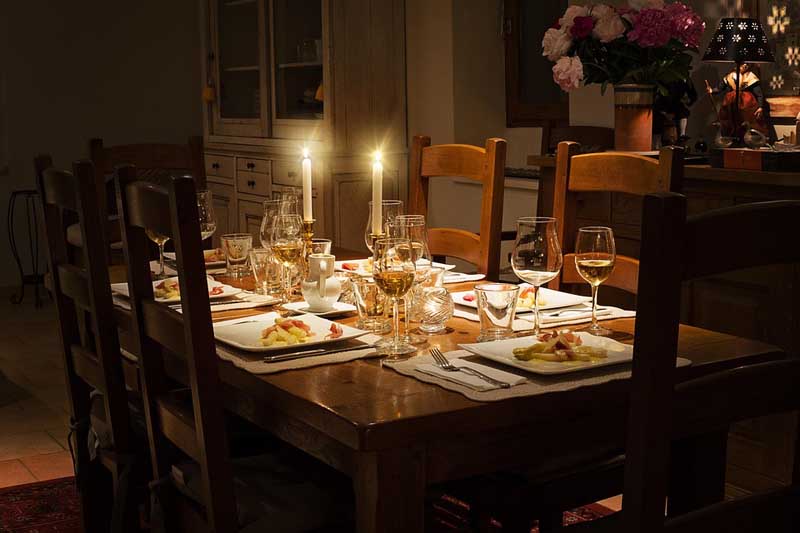
Planning a family gathering can be an enjoyable experience filled with memorable moments. However, while the idea may spark excitement, the execution can often fall short of expectations. A successful event requires attention to detail, good communication, and a bit of foresight to create the kind of atmosphere that welcomes everyone.
Recognizing common pitfalls helps in fine-tuning your planning process and ensuring a smooth experience that everyone can cherish. This article outlines key mistakes to avoid when arranging a family gathering, enabling hosts to tackle challenges effectively.
Neglecting the Guest List
Choosing who to invite is fundamental, yet it can also be the source of potential misunderstandings. Neglecting to curate a guest list often leads to last-minute invitations or, conversely, forgetting to reach out to important family members. This oversight can lead to feelings of exclusion that might overshadow the event’s festive atmosphere.
A well-planned and thoughtful guest list ensures that everyone feels appreciated and included. Communicating about attendance preferences early on can be beneficial. You may more precisely arrange for food, seating, and activities by contacting people on your list and getting RSVPs. Striking a balance is significant.
If the gathering is too large, it might become unmanageable, while too small a group could miss the essence of family togetherness. Instead of piecing together the list at the last moment, start with a draft invitation list. Expand and refine it, asking for input from close family members. Such actions not only foster communication but also facilitate a more collaborative planning experience. When family members feel consulted, it creates an inclusive atmosphere well before the gathering begins.
Overlooking Dietary Preferences
Every family is unique, and their culinary preferences often reflect a mix of tastes and dietary restrictions. Failing to consider what people eat can create awkward moments and serious inconveniences. Whether it’s allergies, vegetarian preferences, or cultural dietary practices, not accommodating these can alienate guests.
Budgeting time to ask family members about their dietary needs ensures that everyone can share delicious meals without concern. When mapping out the menu, offer variety to cater to diverse tastes.
Posts on this site may contain sponsored content, paid link placements, or affiliate links. I may earn a commission or fee if you click a link or purchase through these recommendations at no additional cost to you.
Providing a protein option, vegetables, and gluten-free dishes guarantees that everyone has something to enjoy. Picking an online solution for premium beef, chicken, or fish or getting an emergency dinner can simplify meal planning, ensuring quality ingredients for dishes everyone loves. Another aspect to consider includes beverages. Having a selection of drinks, both non-alcoholic and alcoholic, enhances the overall dining experience. Taking such aspects into account significantly impacts guests’ enjoyment, fostering a welcoming environment.
Ignoring the Venue Space
Choosing the right venue can greatly influence the event’s ambiance and organization. Whether the gathering takes place at home, a park, or a rented location, evaluating available space before the event is essential. Often, hosts overlook how many guests can comfortably fit in a chosen area, leading to cramped conditions or too much open space that dulls the gathering’s lively atmosphere. Before finalizing a venue, consider the activities planned.
If you envision a variety of games or group activities, ensure ample space is available to accommodate these plans efficiently. Seating arrangements must prioritize comfort, allowing guests to mingle or sit for meals easily. An often overlooked attribute is accessibility. Verify that all guests, especially those with mobility challenges, can navigate the space with ease. Planning for such factors shows consideration, ultimately enhancing the shared experience among family members.
Skipping Outdoor Preparation
Outdoor gatherings present their unique challenges. Weather is an uncontrollable factor that can significantly disrupt plans. Skipping preparation for unexpected rain or heat can shift an enjoyable event into one of discomfort. To combat this, it’s advisable to have contingency plans ready.
Consider options like tents for shade or rain protection and shading areas for relaxation. If the area lacks adequate seating, renting additional chairs or bringing blankets can spare discomfort when sitting. Providing cooling options like water stations or ice cream can help keep everyone refreshed during hot days.
It remains wise to audit the equipment beforehand. Having extra batteries for speakers, ensuring grills are in working condition, and preparing for extra trash disposal can ease pressure as the event unfolds. Paying close attention to outdoor specifics can reduce stress and result in a delightful affair.

Not Setting a Timeline
One of the most vital steps is creating a well-defined timeline for the event. Procrastination leads to a flurry of last-minute activities that may introduce chaos. Crafting a schedule may entail setting a party start time, meal times, and specific time slots for activities.
This structured approach alleviates panic, allowing each task to receive the attention it requires. Assigning a person to help with overseeing the timeline can provide a sense of responsibility. Whether it’s coordinating when food should be served or reminding guests of festivities, a designated person can help smooth the gathering’s flow significantly.
Being prepared with a plan fosters a relaxed mood that ultimately enhances everyone’s enjoyment. Keeping these tips in mind when planning family gatherings clears a path for understanding and connection among loved ones. Balance and consideration laid out in advance transform an average gathering into a cherished family tradition.
Thoughtful preparation turns family gatherings into delightful experiences that create lasting memories. Approaching the event with care and awareness signifies your commitment to relationships, making family bonds even stronger.
