
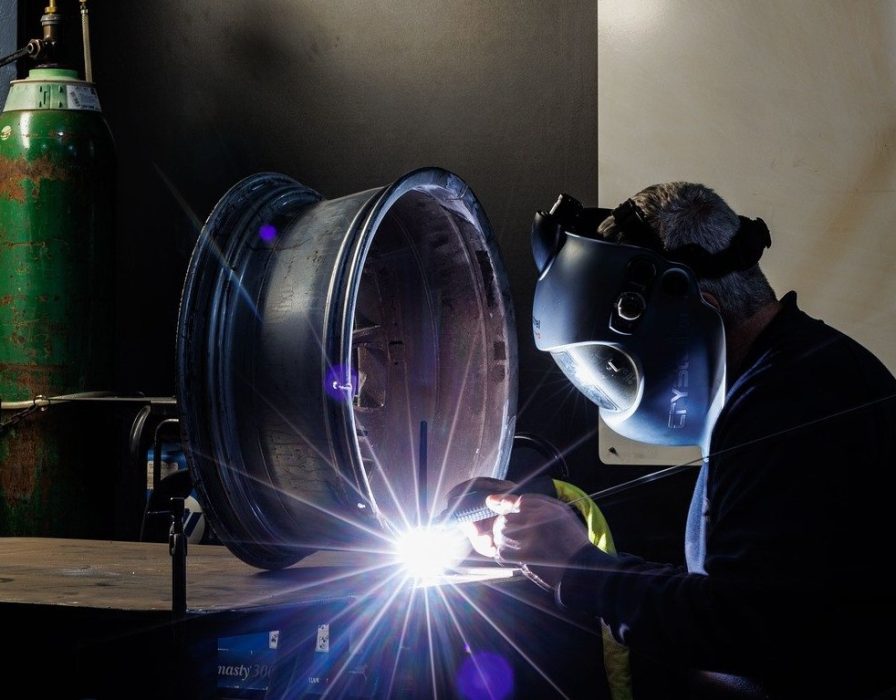
Welding, in addition to being a popular hobby, is also an essential skill in many industries like construction, manufacturing, and automotive. There are about 454,500 welders in the USA. They form the backbone of businesses, and their work is crucial to the success of various projects. In terms of welding, selecting the right machine can bring a noticeable change in the quality and effectiveness of your job.
Posts on this site may contain sponsored content, paid link placements, or affiliate links. I may earn a commission or fee if you click a link or purchase through these recommendations at no additional cost to you.
One popular option for both professionals and hobbyists is the Millermatic 252. Known for its versatility and reliability, the Millermatic 252 excels in MIG welding and is ideal for a range of applications.
It is suitable for welding a range of metals. These include aluminum, steel, and stainless steel. Plus, it can handle both light-duty and heavy-duty welding, making it a go-to choice for many projects.
In this blog post, we’ll look at the important factors to be mindful of when selecting a welding machine. We’ll also highlight an excellent choice for welding projects in the end.
Important Considerations When Selecting a Welding Machine
By considering a few essential factors, you can make a well-informed decision that meets both your needs and budget.
Welding Type
The first and most important factor to consider is the type of welding processes you plan to perform. The three most widely used are:
- MIG (Metal Inert Gas) welding
- TIG (Tungsten Inert Gas) welding
- Stick welding
MIG welding is versatile and ideal for beginners. It is faster and easier to do. It is the most commonly used welding type and is suited for several uses. As per research, there are about 313,369 mig welders in the USA. This represents over 70% of the welding market. Thus, MIG welding is your best bet if you are looking for a popular and versatile welding process.
TIG welding, on the other hand, produces precise and premium results, making it perfect for professionals working on intricate projects. Stick welding, known for its durability and simplicity, is perfect for outdoor repairs and heavy-duty tasks.
Material Thickness and Type
Consider the types and thicknesses of materials you will be welding. Different welding machines are designed to handle various material requirements. For instance, lighter materials such as aluminum and stainless steel often require TIG welders due to their precision.
On the other hand, thicker materials like structural steel may need a high-powered MIG or Stick welder. Ensure the machine you select has the necessary voltage and current capacity to match the material’s demands.
Portability and Power Supply
The machine’s portability is another crucial aspect. Lightweight, inverter-based machines are easy to carry and provide flexibility for mobile work. Additionally, evaluate the power supply compatibility.
Some models run on standard 120V household outlets, while others require 240V industrial power sources or a dual-voltage option for greater versatility. Welders often need to commute between multiple job sites in a single day. This highlights the growing need for portable welding machines.
Duty Cycle
The duty cycle indicates how long a welding machine can run continuously before requiring a cool-down period. Generally speaking, lighter-duty welding machines require a welder duty cycle of 20%, medium-duty machines 40%–60%, and heavy-duty machines 60%–80%. These guidelines can change based on other factors, such as amperage settings and the machine’s ability to handle thermal load.
It also changes based on the requirements of your project. For instance, welding machines used for large infrastructure projects like railways require higher duty cycles.
According to Railway Supply, the US government has introduced a new and innovative rail welding technology. The government granted a whopping $4.6 million grant for developing welding equipment. This technology is set to increase weld lifespan and enhance railway infrastructure safety.
Budget and Long-Term Investment
Lastly, weigh your budget against the machine’s features and overall quality. While it might be tempting to go for a low-cost option, remember that a reliable and durable machine is a long-term investment.
Opting for a reputable brand with proper warranties and customer support can save you from unexpected breakdowns and repairs. This helps ultimately deliver better value over time. Assess the cost of additional accessories, such as welding helmets and gloves, which are essential for safe operations.
Best Welding Machines: A Comparison
When choosing the best welding machine, there are multiple options available, each designed to meet different requirements and proficiency stages. Below, we compare three popular models:
Lincoln Square Wave TIG 200 Welder
The Lincoln Square Wave TIG 200 Welder is a top choice for those focused on TIG welding. It offers excellent arc stability and precision, making it great for intricate and high-quality welds. It’s also highly versatile, supporting both TIG and Stick welding. The machine features an intuitive digital interface, allowing for easy adjustments.
However, one drawback is its limited MIG capabilities. It’s not as suitable for heavier-duty applications or thicker materials compared to other machines, making it less versatile than other models. Additionally, its price point is relatively high for a machine with these limitations.
Hobart IronMan 240 MIG Wire Welder
The Hobart IronMan 240 MIG Wire Welder is a powerful machine designed for professional welders. With the ability to weld thick materials and produce high-quality welds, it’s ideal for heavy-duty projects. The machine also offers an adjustable wire feed speed, allowing for better control and flexibility during welding.
On the downside, the Hobart IronMan 240 is weighty. Plus, it is not as mobile as some other welders. It’s also a bit challenging to use for beginners, as the settings can be difficult to adjust without prior knowledge of MIG welding techniques.
Millermatic 252
The Millermatic 252 is a standout welding machine known for its reliable performance and user-friendly design. It offers a smooth arc, high-quality welds, and the ability to weld both thin and thick metals with ease. The machine also features auto-set technology, which makes it easy to set up and adjust for optimal results, even for those new to welding.
The Lincoln Square Wave TIG 200 and Hobart IronMan 240 have their strengths. But, the Millermatic 252 consistently delivers superior quality and ease of use. This makes it the top choice for both professionals and DIY enthusiasts.
Welding Supplies from IOC suggests choosing from a wide selection of welding machines, including the ones mentioned above, at competitive prices. You should also look for accessories and replacement parts to ensure the welder runs without issues.
With their fast shipping and excellent customer service, you can trust welding machine suppliers for all your welding needs. Whether you’re working on a project at home or in a professional setting, Welding Supplies From IOC can meet all your welding needs.
Frequently Asked Questions
How do MIG, TIG, and Stick welding differ?
MIG welding is the most popular and versatile, ideal for beginners, and is quick and easy to use. TIG welding delivers precise, high-quality welds, making it ideal for professionals and detailed projects. Stick welding is durable and great for outdoor repairs or heavy-duty tasks, offering simplicity and reliability, especially for tougher materials.
How can I determine which welding machine to choose for my project?
Choosing the right welding machine depends on the material type and thickness you’re working with and the welding technique you intend to apply. Consider the machine’s duty cycle, power supply compatibility, and portability for ease of use on job sites. Balancing features, quality, and your budget will ensure you choose the most suitable machine for your needs.
Why is the welding machine’s duty cycle paramount?
The duty cycle indicates how long a welding machine can run continuously before requiring a cool-down period. For light-duty tasks, a 20% duty cycle is enough, while heavier tasks may require a 60%-80% duty cycle. Matching the duty cycle to your workload ensures the machine doesn’t overheat and helps prevent downtime during critical tasks.
Choosing the right welding machine is essential for ensuring quality and efficiency in your projects. By focusing on factors like welding type, material compatibility, and duty cycle, you can select a machine that best suits your needs. Whether you’re a professional or a hobbyist, selecting a reliable and versatile welding machine can make a significant difference in achieving optimal results.
