
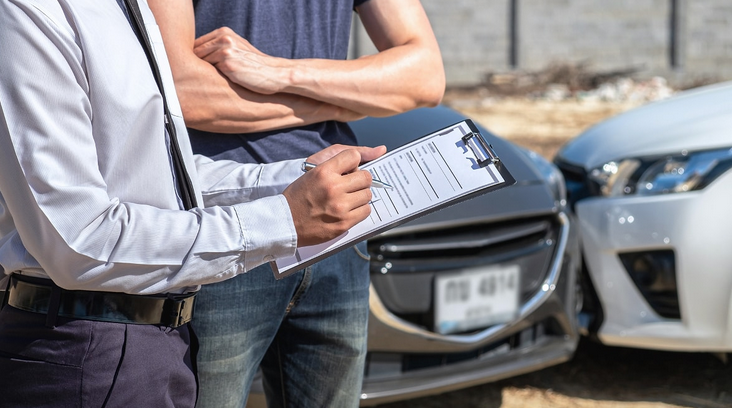
A car accident is stressful enough, but it becomes even more challenging when the at-fault driver lies about what happened. False claims can complicate insurance proceedings, delay compensation, and even shift blame unfairly.
Fortunately, you can take strategic legal steps to counter falsehoods and protect your rights. Understanding your legal options, gathering the right evidence, and knowing how to challenge dishonest claims can significantly impact your case.
What Are Your Immediate Legal Responsibilities After the Accident?
The actions you take at the accident scene are critical in preserving your legal standing. New Jersey law mandates specific steps after an accident to ensure compliance and strengthen your claim. Here is what to do after a car accident:
Report the Accident to Law Enforcement
Under N.J.S.A. 39:4-129, any driver involved in an accident resulting in injury, death, or property damage exceeding $500 must report it to the police. Failure to report may weaken your case and limit your ability to challenge false claims. A police report serves as an official record, making it harder for the at-fault driver to manipulate facts.
Document the Scene with Evidence
Organizations like the National Insurance Crime Bureau (NICB) report that a considerable number of car accident claims involve elements of fraud or misrepresentation, highlighting the need for scrutiny of such claims. Collecting solid evidence minimizes the risk of an insurance dispute.
Take photos of:
- Vehicle damage from multiple angles.
- Skid marks, traffic signals, and road conditions.
- License plates and the at-fault driver’s insurance details.
- Injuries sustained during the accident.
Identify Witnesses
Witnesses can be incredibly valuable in car accident cases, especially when there are disagreements about what happened. If someone sees the accident, their account can help clarify the situation and prevent false statements from being accepted.
It’s always a good idea to get the contact information of any witnesses and, if possible, ask them to write down what they saw. Their observations can significantly strengthen your case and help ensure a fair outcome.
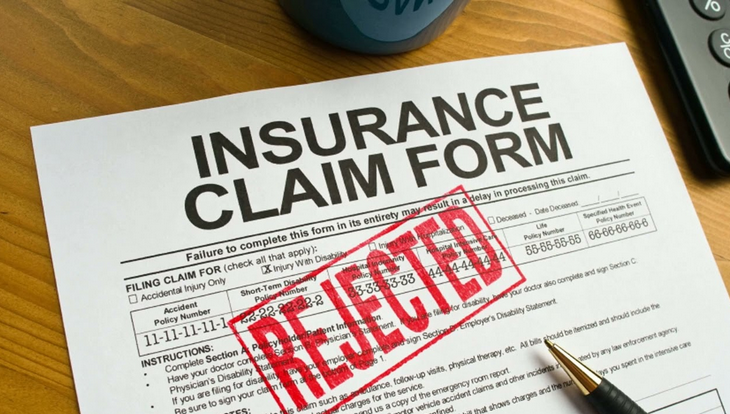
What Legal Steps Can You Take If the Insurance Company Denies Your Claim?
Dealing with a denied insurance claim can be frustrating, but you’re not without recourse. You have options to explore, and you should understand your rights. It’s compulsory to seek professional guidance to helm this process effectively. Here’s what you should consider:
File a Bad Faith Insurance Claim
If the insurer denies your claim based on false statements despite clear evidence, you may file a bad faith claim under N.J.A.C. 11:2-17.10, which governs unfair claims settlement practices in New Jersey. A successful claim can force the insurer to pay damages beyond the original compensation amount.
Hire an Auto Accident Lawyer
Posts on this site may contain sponsored content, paid link placements, or affiliate links. I may earn a commission or fee if you click a link or purchase through these recommendations at no additional cost to you.
To combat dishonest drivers in insurance disputes, legal intervention is required. An experienced car wreck attorney in New Jersey, like rosengardlawgroup.com, can effectively challenge false statements, negotiate settlements, and file lawsuits to ensure victims receive fair compensation despite deceptive tactics. Knowing your rights and having strong legal representation are essential steps in dealing with these challenging situations. You can read more about the technicalities in their blog section.
A local specialist with multiple similar cases under their belt can provide the insight and strategies needed to build a strong claim. Drivers who suffered a crash in Big Peach are always on the lookout for the best car accident lawyer near Atlanta who will fight for their rights, handle negotiations with insurance companies, and represent them in court if necessary. Having a trusted advocate ensures that victims don’t get pressured into unfair settlements. With the right lawyer, they can focus on recovery while knowing their case is being handled with expertise and dedication.
Pursue a Civil Lawsuit for Damages
If you can’t reach a fair agreement with the insurance company after a car accident, you might need to consider taking legal action against the responsible driver. The law recognizes that accidents can involve more than one person being at fault.
Even if you contributed to the accident, you might still be able to receive compensation, though there are limits. If you go to court, the amount of responsibility each person has will be determined.
How to Prove the At-Fault Driver is Lying?
If the other driver provides false information, you need concrete proof to challenge their statements. Insurance companies rely on factual evidence, so demonstrating inconsistencies strengthens your claim. These steps will guide you on how to prove an at-fault driver is lying:
Obtain the Official Police Report
Police officers document objective findings, such as vehicle positioning and physical evidence, which can contradict the at-fault driver’s story. If the officer assigns fault to the other driver, their insurance company will have difficulty denying liability.
Secure Dashcam or Surveillance Footage
Video evidence can be extremely powerful in car accident cases. Footage from sources like dashcams can provide a clear and objective record of what happened, which is very helpful in resolving disputes and preventing false claims.
It’s wise to consider whether any nearby businesses or traffic lights have surveillance cameras that might have captured the incident. Such footage can be invaluable in establishing the truth and ensuring a fair outcome.
Consult an Accident Reconstruction Expert
When liability is disputed, a forensic expert can analyze skid marks, impact points, and vehicle damage to reconstruct the accident. Courts and insurance companies heavily weigh expert reports, especially in cases where drivers provide conflicting accounts.
How to Protect Yourself from False Claims in Future Accidents
Equip your vehicle with a dashcam. These devices offer continuous, unbiased recording of everything that happens on the road. This real-time documentation can significantly minimize disputes following an accident, offering clear evidence that can expedite resolution.
Secondly, thoroughly familiarize yourself with your car insurance policy. Pay close attention to the uninsured/underinsured motorist (UM/UIM) coverage. This specific protection is binding, as it safeguards you against situations involving fraudulent claims or drivers who lack sufficient insurance.
By understanding these coverage provisions, you can ensure that you can recover damages, even when the question of who is at fault is being challenged.
Conclusion
Dealing with a car accident where the other driver isn’t truthful is a major challenge, but by being proactive and informed, you can protect your rights. Remember to gather evidence, seek witnesses, and understand your legal options.
If you encounter an insurance dispute or need to take legal action, don’t hesitate to consult with a skilled attorney who specializes in car accident cases. With the right approach, you can steer these complexities and ensure you receive the compensation you deserve.
