
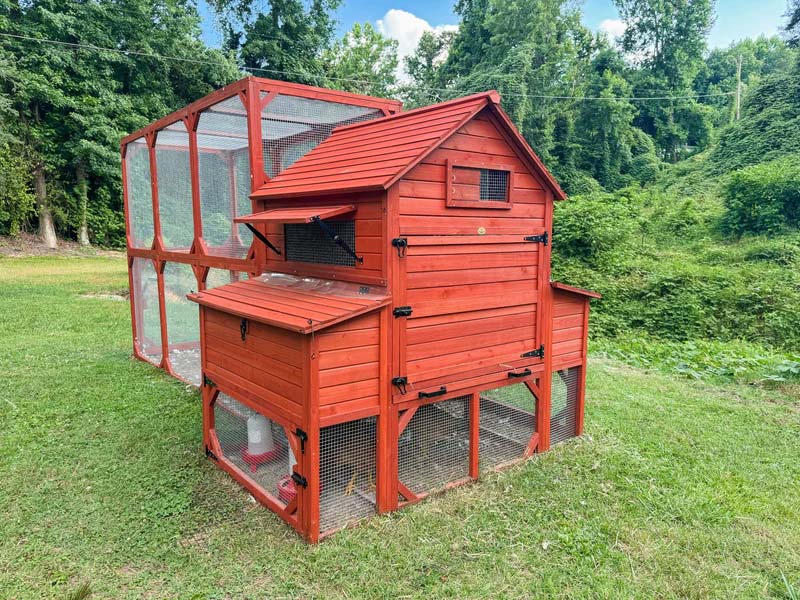
Do you own backyard chickens? Is your chicken coop being constantly attacked by predators? Are you worried about your flock’s health and safety? Keeping chickens safe from predators is one of the most significant concerns for poultry keepers. Keeping your birds safe is vital, whether you have a small backyard flock or a large stock. Chickens are constantly threatened by predators, including foxes, raccoons, hawks, and even neighborhood dogs. So, how can you design a coop that comforts your chickens and keeps out unwanted visitors? Let’s take a look at some of the most practical and simple solutions.
Secure Fencing and Wire Mesh
Posts on this site may contain brand partnerships, promotional content, or affiliate links. I may earn a commission or fee if you click a link or purchase through these recommendations at no additional cost to you.
A large chicken coop must have secure fencing. It is the best defense against predators. Predators can be very persistent. Some, like raccoons and foxes, are good at climbing or digging. To ensure protection, the coop must be surrounded by durable fencing. Heavy-duty wire mesh, or hardware cloth, is an excellent option. Hardware cloth is strong, unlike chicken wire, which is thin and easy to tear. It can resist even the most determined predators.
Ensure the wire mesh extends below the ground by at least 12 inches preferably but for backyard chicken owners it can be put on top of just underneath the ground. It should be attached to the coop frame with the outer hardware cloth staked down with something like landscape stakes.. This prevents burrowing animals like foxes or coyotes from digging under the fence and gaining access to your chickens.
Pro Tip- When installing wire mesh, ensure that it’s securely fastened using heavy-duty staples or screws with washers. This adds extra security, making it harder for predators to loosen the mesh and gain entry.
Elevated Coop Design
Did you know that raising your coop off the ground can make a big difference in keeping predators away? An elevated coop protects chickens from ground predators. It also keeps the coop’s floor dry and ventilated. Building your coop at least 18 inches off the ground makes it difficult for predators to access the main living area of your chickens.
Elevated coops also deter rodents, snakes, and other small creatures from hiding beneath them. Add ramps to a huge chicken coop. They let the chickens move in and out while keeping the living space out of a predator’s reach.
Sturdy Doors and Locks
The doors of your chicken coop should be sturdy and well-constructed to prevent predators from prying them open. Many animals, like raccoons, are clever enough to figure out simple latches. That’s why secure locks, like carabiner clips or key-locking systems, can stop intruders from accessing your coop.
Secure the nesting boxes and any windows in addition to the main door. Use wire mesh to cover windows, and ensure the hinges and locks are durable enough to resist tampering.
Covering the Top of the Coop and Run
Predators attack from the ground and the air. Birds of prey, such as hawks and owls, can swoop down and carry off chickens if the coop and run aren’t adequately covered. A solid roof or wire mesh over the run area can prevent aerial attacks.
Covering the top of the coop also helps keep out climbers like raccoons and possums. A big chicken coop needs a fully enclosed run. It should have a mix of solid roofing and wire mesh. This will keep your chickens safe while they roam freely during the day.
Use of Motion-Activated Lights and Deterrents
Predators tend to strike under the cover of darkness, making the night one of the riskiest times for your chickens. Installing motion-activated lights or alarms around the coop is an effective way to prevent nighttime attacks. These deterrents startle predators and often discourage them from getting too close.
If you live in an area with many predators, consider using ultrasonic devices or predator decoys around your coop’s perimeter. These extra protections aren’t foolproof but can greatly reduce the risk of a predator attack.
Regular Coop Maintenance and Inspections
No matter how well-designed your chicken coop is, it needs regular maintenance. This is essential for ongoing protection. Over time, wear and tear can weaken the coop, creating vulnerabilities predators can exploit. It’s important to inspect the coop regularly for any signs of damage or entry points, such as gaps in the fencing, holes in the walls, or broken locks.
Keep the surrounding area clear of overgrown vegetation or debris where predators might hide. Regular coop cleaning also prevents rodent and insect infestations, which can attract larger predators.
Things to Consider Before Buying a Big Chicken Coop
- Size and Space: The coop must be spacious. It should let your chickens roam safely, away from predators.
- Material Durability: Use durable materials, like heavy-duty wood and wire mesh. They must withstand weather and potential predator attacks.
- Ventilation and Insulation: The coop must have good airflow. It must also keep warm in winter.
- Easy Access for Cleaning: Make sure the design allows easy cleaning without compromising security.
- Predator-Proof Features: Check for sturdy doors, locks, and a fully enclosed run.
Conclusion
When it comes to keeping your chickens safe, the design of your large chicken coop is paramount. Regular maintenance and inspections further ensure that your chickens remain safe from threats. These steps will help you build a safe coop. It is an investment in your chickens’ safety. You will have peace of mind knowing they are safe from predators.
