
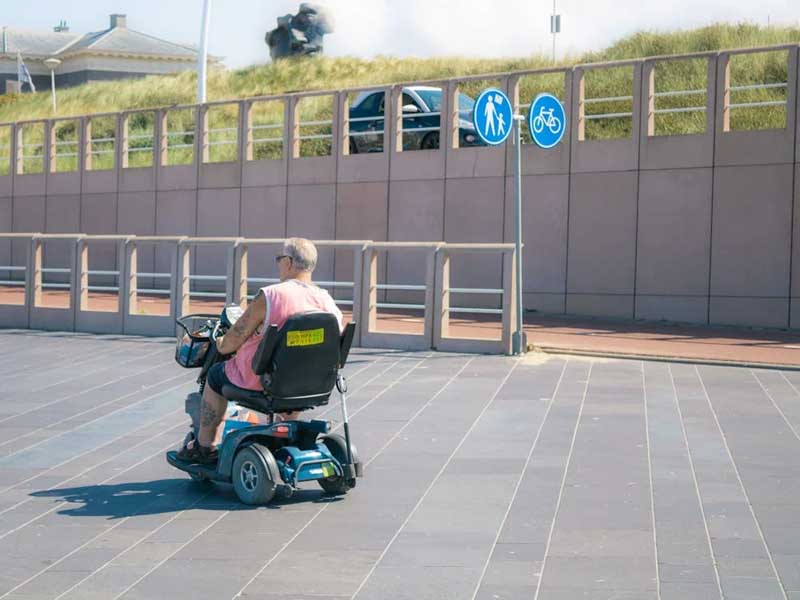
A mobility scooter can be a life-changing investment, providing greater independence, comfort, and convenience for those with mobility challenges. Whether you need a scooter for daily errands, long-distance travel, or indoor navigation, selecting the right model requires careful consideration. With numerous options on the market, it’s important to evaluate your specific needs, budget, and lifestyle to find the perfect match. From portability to battery life and weight capacity, each factor plays a crucial role in determining the ideal mobility scooter. This guide will walk you through key considerations to help you make an informed decision.
Assessing Your Mobility Needs
Before purchasing a mobility scooter, it’s important to assess your specific needs and lifestyle. Consider where you will be using the scooter most—indoors, outdoors, or both. If you require a scooter for indoor use, a compact model with a tight turning radius will be ideal for navigating narrow hallways and tight spaces. For outdoor use, you may need a more robust scooter with larger wheels and higher ground clearance to handle uneven terrain. Think about your daily activities and whether you’ll need a scooter for short trips or longer excursions, as this will impact the type of battery life and comfort features you should prioritize.
Checking Weight Capacity and Portability
Posts on this site may contain sponsored content, paid link placements, or affiliate links. I may earn a commission or fee if you click a link or purchase through these recommendations at no additional cost to you.
When selecting a mobility scooter, it’s crucial to check the weight capacity to ensure it can support your body weight. Scooters generally come with weight limits ranging from 250 to 500 pounds, so choosing one within your weight range is important for optimal performance. For individuals who need more robust support, 400 lbs weight limit scooters are available and can provide the necessary durability and comfort. Portability plays a key role, especially if you plan to transport the scooter frequently. Some models are designed to be easily folded or disassembled, making them ideal for travel or storage without compromising on weight capacity or stability.
Understanding the Different Types of Mobility Scooters
Mobility scooters come in three main types: travel scooters, mid-size scooters, and heavy-duty scooters. Travel scooters are lightweight, foldable, and designed for portability, making them a great option for users who need to transport them frequently in cars or on public transit. Mid-size scooters offer a balance between portability and performance, providing more stability and comfort for extended use. Heavy-duty scooters are built for rugged outdoor terrain and higher weight capacities, ensuring durability and power for users who require additional support. Understanding the differences between these types will help you select a scooter that best suits your mobility requirements.
Evaluating Battery Life and Charging Options
Battery life is a critical factor when choosing a mobility scooter, as it determines how far you can travel on a single charge. Most scooters have a range of 8 to 30 miles, depending on the battery type and model. If you plan to use your scooter for long-distance travel or daily errands, look for a model with an extended battery life. Consider the charging process—some scooters come with removable batteries, allowing you to charge them separately, while others require direct charging. If you anticipate frequent travel, a scooter with a quick-charging battery or an extra backup battery can be a valuable feature.
Considering Comfort and Ease of Use
Comfort and ease of use are the key aspects to evaluate, as they directly impact your overall experience with the scooter. Look for a model with an adjustable seat, armrests, and backrest to ensure ergonomic support during extended use. The control panel should be user-friendly, with easy-to-reach buttons and a clear display. Suspension systems and pneumatic tires can also enhance ride comfort by absorbing shocks and reducing bumps on uneven surfaces. Test the scooter’s maneuverability to ensure smooth operation, especially if you plan to use it in tight or crowded spaces.
Budget and Additional Features to Consider
Mobility scooters come in a wide range of prices, from budget-friendly models to high-end versions with advanced features. Before making a purchase, determine your budget and prioritize features that are most important to you. Some scooters offer additional features like LED headlights, storage baskets, USB charging ports, and even weatherproof covers for outdoor use. If you qualify for insurance or Medicare coverage, check whether your plan offers reimbursement for mobility aids. While it’s tempting to choose the least expensive option, investing in a high-quality scooter with the right features will ensure durability, safety, and long-term satisfaction.

Choosing the perfect mobility scooter requires careful consideration of your lifestyle, mobility needs, and budget. By assessing factors such as battery life, comfort, weight capacity, and portability, you can find a model that provides both independence and convenience. Whether you need a lightweight travel scooter or a heavy-duty model for outdoor adventures, taking the time to research and compare options will help you make the best decision. A well-chosen mobility scooter can significantly enhance your quality of life, allowing you to move around with confidence and ease.
