
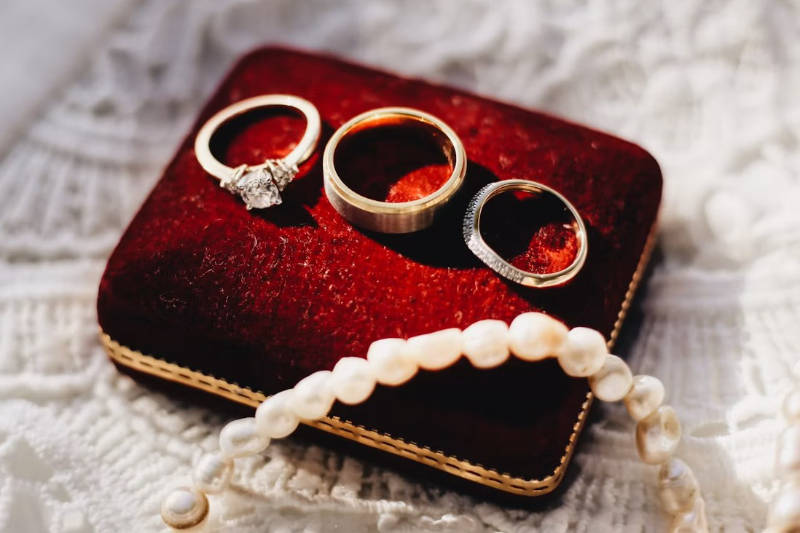
Whether it’s a box of your grandmother’s jewelry, your dad’s old watch, or a set of fine china that only saw the light of day on holidays, family heirlooms connect us to our past. These items are more than just things; they’re tangible pieces of our family’s story.
But inheriting these treasures also comes with the responsibility of caring for them, which can sometimes feel a bit overwhelming. Knowing how to properly preserve, store, or even let go of these items helps make sure their legacy continues in a way that works for your family today.
Understanding Your Family’s Treasures
Posts on this site may contain sponsored content, paid link placements, or affiliate links. I may earn a commission or fee if you click a link or purchase through these recommendations at no additional cost to you.
To start caring for your heirlooms, it’s a good idea to take stock of what you actually have. Go through each item and try to understand its story. Some pieces might have obvious monetary value, like gold jewelry or antique furniture, while others hold purely sentimental worth, like a handwritten recipe book or a collection of well-loved children’s books.
Make a simple inventory. You can use a notebook or a spreadsheet to list each item, its known history, and its condition. This process helps you figure out what needs immediate attention and what can be tucked away for now.
It also gives you a moment to really appreciate each piece and decide what truly resonates with you and your family’s story. This isn’t about putting a dollar value on every memory, but about organizing your collection so you can care for it thoughtfully.
When Sentimental Items Become Clutter
It’s a common situation: you love the person who gave you the item, but you simply don’t have the space or a use for it yourself. A set of heavy, ornate furniture might not fit your modern home, or maybe you’ve inherited three silver tea sets. It’s perfectly okay to admit that a cherished heirloom has become clutter in your own home. Honoring a memory doesn’t have to mean sacrificing your living space.
Deciding what to do with these items can feel emotional, but you do have options. For valuable pieces you can’t keep, selling them can be a practical and respectful choice. If you’ve inherited silverware you’ll never use, researching where to sell sterling silver and flatware could turn a dust-collecting box into a fund for a family vacation or a contribution to a college savings account. This way, the heirloom transforms into a new, meaningful opportunity for your family.
Cleaning and Storing Delicate Items
Proper care is essential if you want delicate items to last for the future. Different materials need different approaches, so a little research can really help prevent accidental damage.
- Textiles: For things like wedding dresses, quilts, or baby clothes, avoid storing them in plastic bags or airtight containers. These can trap moisture and cause discoloration. Instead, wrap them in acid-free tissue paper and store them in an archival box.
- Photographs and Documents: Keep old photos and letters out of direct sunlight. Store them in acid-free albums or boxes. Skip the paper clips and rubber bands, as these can degrade and stain the paper over time.
- Silver and Jewelry: Polish silver gently with a soft cloth and a proper silver polish. Store it in a felt-lined box or in anti-tarnish bags to slow down future discoloration.
For long-term preservation, a stable environment is key. Big changes in temperature and humidity can harm many materials, so try to avoid storing heirlooms in attics or basements. Following a good family heirloom storage guide will help you keep your treasures safe for years to come.
Finding New Homes for Valuables
If you’ve decided an item just doesn’t quite fit into your life, finding it a new home is a wonderful way to honor its history. Before you sell or donate, check with other family members. Your cousin might be thrilled to have that antique rocking chair you don’t have space for. Spreading heirlooms among relatives keeps the items within the family, letting more people share in the connection to your shared past.
For antiques and other valuables, there are many avenues to explore. You might consign a piece to an antique shop or sell it to a collector who will truly appreciate its history and craftsmanship. The goal is to find a home where the item will be valued.
If you’re not ready to make a final decision, consider putting items in a secure spot while you decide. There are many great tips for storing antiques that can help you protect them until you find the perfect solution.
Preserving Their Story for Generations
Perhaps the most important part of any heirloom isn’t the object itself, but the story behind it. Who owned it? Where did it come from? What memories are attached to it? Without this context, a precious item can lose its meaning over time.
Take the time to write down these stories. Jot down everything you know on a card and attach it to the item. Even better, create a digital record. Scan old photos and letters, and take pictures of physical objects. You can even record a video of an older relative sharing their memories of a particular piece. This digital archive can be easily shared with family members and preserved for future generations, making sure the stories live on even if the physical items don’t.
Caring for family heirlooms is a way of honoring your roots. By thoughtfully managing these connections to the past, you create a legacy of love and memory for your own children to cherish.
