
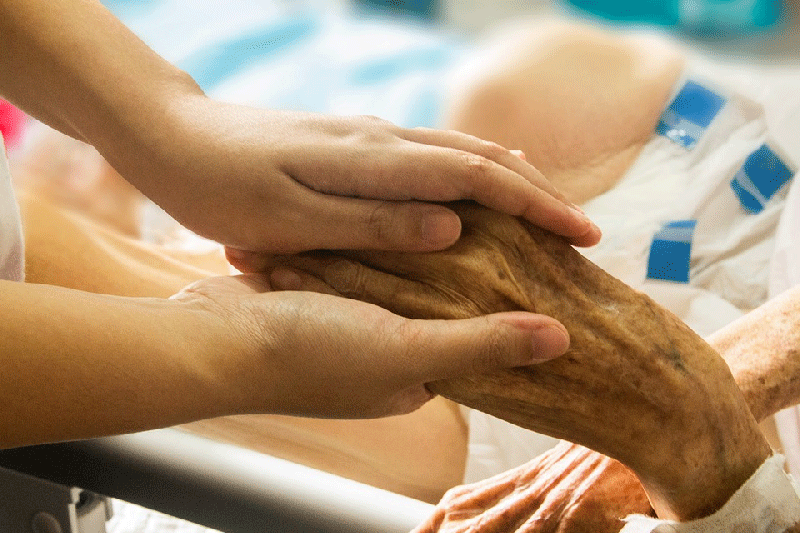
How can families ensure that their loved ones receive compassionate support during their final days? For many, the answer lies in the specialized services provided by skilled caregivers. These services offer comfort, dignity, and a peaceful environment, allowing individuals to spend their final days in familiar surroundings with loved ones.
Posts on this site may contain sponsored content, paid link placements, or affiliate links. I may earn a commission or fee if you click a link or purchase through these recommendations at no additional cost to you.
End-of-life home care services provide families with the guidance they need to make informed decisions that honor their loved ones’ wishes. Professionals play a crucial role during this delicate stage, offering both physical and emotional support. By recognizing the value of skilled home care caregiving, families can ensure their loved ones receive the best possible support.
The Importance of Comfort and Compassion
End-of-life care emphasizes the importance of comfort and compassion, which are essential for both the individual and their family. Skilled caregivers are trained to provide physical support and emotional reassurance, helping patients feel safe and valued. This level of support goes beyond medical assistance, as they aim to improve the quality of life in every possible way.
Physical comfort includes managing symptoms such as pain, fatigue, and breathing difficulties, allowing patients to spend their time as comfortably as possible. Equally important is emotional support, as caregivers listen, communicate, and offer a comforting presence. By focusing on these aspects, home care providers ensure that individuals receive holistic care that meets their unique needs.
Creating a Peaceful Environment
The environment in which end-of-life care is delivered can greatly affect a person’s experience. These providers allow individuals to remain in a familiar setting, surrounded by loved ones and personal belongings. Skilled caregivers contribute to creating a peaceful and supportive atmosphere, attending to the individual’s preferences for lighting, music, or any other personal comfort measures.
They also assist with household tasks that may otherwise create stress or discomfort. This can include light cleaning, organizing, or simply maintaining a calm and soothing environment. Addressing these details allows families to focus on being present with their loved ones. The goal is to foster a serene space that promotes emotional well-being and tranquility.
Supporting Family Members Through the Process
End-of-life care supports the individual and provides much-needed relief and guidance for family members. The emotional toll of this period can be overwhelming, and having a skilled caregiver can ease some of that burden. Caregivers offer guidance on what to expect and provide practical assistance that allows family members to focus on spending meaningful time together.
For many families, the presence of a caregiver brings a sense of peace, knowing that their loved one is receiving professional support. Additionally, caregivers offer companionship to family members, listening to their concerns and offering reassurance. By being available for both the patient and the family, they help create a supportive environment that fosters connection and understanding.
Managing Pain and Symptom Relief
A significant aspect of end-of-life care is managing symptoms and providing pain relief. Skilled caregivers work closely with healthcare providers to administer medications and monitor comfort levels. This approach ensures that individuals receive appropriate symptom management, allowing them to maintain their dignity and comfort.
Caregivers are trained to recognize patient condition changes and respond with compassion and skill. By effectively managing symptoms, they help alleviate discomfort and reduce anxiety. This level of support is invaluable for individuals and their families, as it allows them to focus on their remaining time together rather than on the physical challenges of the illness.
Maintaining Dignity and Respect
Respecting the wishes and dignity of individuals at the end of their lives is central to personalized care. Skilled caregivers honor these preferences, whether they involve specific routines, dietary choices, or religious practices. By respecting each person’s individuality, caregivers provide a sense of autonomy and fulfillment.
Furthermore, caregivers support the individual’s need for privacy and personal space, adjusting their care approach to align with these wishes. This respect for the patient’s values helps maintain a sense of self-worth and agency. Families can take comfort in knowing that their loved ones are treated with compassion and respect, regardless of their physical state.
Skilled caregivers play a vital role in delivering compassionate end-of-life care that respects the wishes and needs of individuals and their families. Through home care caregiving, these professionals provide comfort, create a peaceful environment, and manage symptoms to make the final days as positive and meaningful as possible. For families, the support of a professional caregiver brings reassurance and relief. This allows them to focus on what truly matters—spending quality time with their loved one.
End-of-life care is about more than just medical support; it’s about honoring life with dignity and empathy. With the help of skilled caregivers, families can navigate this challenging time with peace and confidence, knowing their loved ones are receiving care that values both their comfort and their legacy.
