
Useful Security Strategies for Public Spaces
Security in public spaces is essential. Large gatherings or busy venues can make safety seem overwhelming. However, effective ways exist to improve security and create a safer environment for everyone. These security solutions include advanced technology, staff training, and community involvement, all working together to prevent incidents.
Focusing on security in public areas builds trust and confidence among visitors. A secure environment encourages people to participate in events and strengthens community ties.
Here are some security strategies you can use for public spaces.
Surveillance Systems
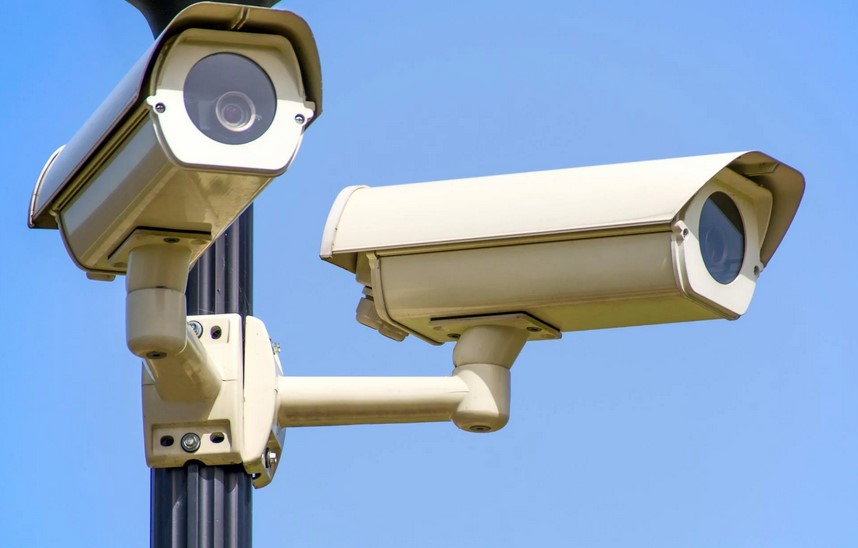
Surveillance cameras are essential for monitoring public areas. These systems help keep people safe. Security personnel can watch activities in real time by placing cameras in the right spots. This immediate visibility allows quick responses to possible incidents, making it safer for everyone.
Modern cameras have features like motion detection and night vision. These systems help capture clear footage, even in low light. Knowing that they are being watched often deters harmful behavior.
Additionally, reviewing recorded footage helps identify patterns that might indicate trouble. Security teams can address concerns before they escalate, improving safety in crowded areas.
Trained Security Personnel
Investing in well-trained security staff is crucial. These professionals are the first line of defense in public spaces. Trained security staff can spot suspicious behavior and manage or de-escalate potential threats before they become serious.
Training covers important areas like conflict resolution, first aid, and emergency response. This preparation is vital for maintaining a safe environment.
A visible security presence also makes visitors feel safer. Knowing that help is close by allows people to enjoy their time without unnecessary worry.
Weapon Detection Systems
Posts on this site may contain sponsored content, paid link placements, or affiliate links. I may earn a commission or fee if you click a link or purchase through these recommendations at no additional cost to you.
Weapons detection systems improve public safety by identifying potential threats like guns or explosives. By placing these systems at the entrances of large venues, event organizers can quickly find and reduce risks before anyone enters.
These systems speed up the security process, reducing delays in busy public areas. Attendees can enjoy their experience without significant disruptions. Automated alerts inform security staff, allowing them to respond quickly to threats and take swift action.
As technology advances, weapon detection systems become more accurate. They can tell the difference between various objects, which helps lower false alarms. Focusing on real threats improves visitors’ peace of mind, reassuring them that their safety is a priority.
Access Control Measures
Access control measures add another layer of security. By controlling who can enter certain public spaces, security staff can better manage risks. These systems range from simple sign-in processes to advanced biometric scanners.
Using access control means having fewer entry points at larger venues, making it easier for security teams to monitor who is coming in and out. Entry tags or digital tickets, for instance, help track attendees and ensure only authorized people get in.
These measures also let venues create safe zones during events. A controlled environment helps manage crowd flow, prevents overcrowding, and ensures everyone has a safe experience.
Community Engagement
Getting the community involved strengthens public safety. When residents and businesses participate in security efforts, they share the responsibility of keeping public spaces safe. Workshops and informational meetings can teach people about potential dangers and safety practices.
When community members feel included, they become more alert. They can report suspicious activities or signs of trouble. Through working together, local communities can build support networks.
Additionally, partnering with local law enforcement strengthens these efforts. Officers can provide resources and training, helping locals respond effectively to emergencies. These strategies create a more resilient community, making the area safer.
Emergency Preparedness
Being ready for emergencies is crucial. Clear plans help venues respond quickly and effectively to incidents. Key strategies include practicing fire drills, reviewing evacuation procedures, and ensuring equipment works properly.
Good communication between security staff, local law enforcement, and emergency responders improves these efforts. When everyone is informed and trained, responses become better coordinated during a crisis.
Raising public awareness about emergency procedures helps individuals respond calmly and correctly in unexpected situations, reducing panic and confusion.
Technology Updates
Keeping security technology up to date is essential. Regularly updating systems, such as surveillance camera software or access control measures, ensures the best protection. Old technology can create vulnerabilities, so staying ahead of potential threats is important.
Investing in ongoing maintenance and training ensures staff knows how to use the latest tools and respond to new threats. Security measures should evolve alongside technology to stay effective in changing environments. Check out Foundation for the Future to keep up with these emerging technology trends.
