
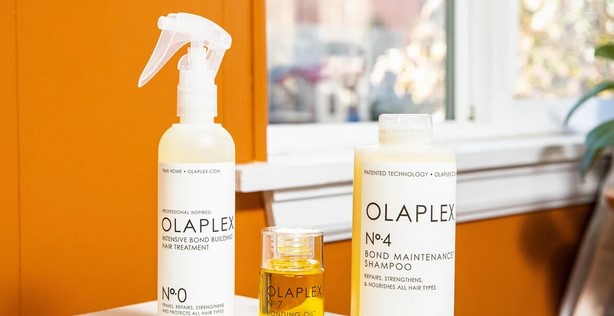
Olaplex, a popular haircare brand known for its bond-building technology, has long been trusted by salons, influencers, and everyday users to restore damaged hair. However, serious legal trouble has shaken its reputation. Numerous consumers have reported unexpected side effects like hair loss and scalp irritation. The lawsuits go beyond routine product complaints, alleging false advertising, harmful ingredients, and corporate negligence.
These claims raise pressing questions about cosmetic safety, transparency in marketing, and the duty companies owe their customers to protect their health and well-being.
Why Is Olaplex Being Sued?
The lawsuit, filed in California federal court in early 2023, includes claims from over two dozen plaintiffs who say they suffered physical and emotional harm after using Olaplex products. Most of the complaints center around Olaplex No. 0 to No. 9, which are part of the brand’s popular at-home hair treatment system.
Among the plaintiffs are individuals who claim the products caused:
- Hair loss and bald spots
- Scalp irritation and burning
- Brittle, dry, and frizzy hair
- Emotional distress and embarrassment
Posts on this site may contain sponsored content, paid link placements, or affiliate links. I may earn a commission or fee if you click a link or purchase through these recommendations at no additional cost to you.
The lawsuit also accused Olaplex of using harmful ingredients and misleading customers about the safety of their products. If you’ve faced similar issues and are considering legal help, Servetheinjured.com, a personal injury lawyer directory, can help you find a lawyer who handles product liability cases.
What are the key Legal Allegations Against Olaplex?
The lawsuit makes several key legal claims about the company’s actions, focusing on the product’s formula, its marketing, and the company’s responsibilities to its customers. Here are the main arguments:
1. Use of Harmful Ingredients
One of the most serious allegations involves the use of lilial (Butylphenyl Methylpropional), a synthetic fragrance compound:
- Banned in the European Union in March 2022 due to concerns over reproductive toxicity.
- While Olaplex removed lilial from its products, they did not issue a recall, allowing existing inventory to remain in circulation without a clear consumer warning.
- Plaintiffs argue that exposure to lilial contributed to their adverse reactions.
Another ingredient combination under scrutiny is sodium benzoate mixed with ascorbic acid or citric acid, which can create benzene, a chemical linked to cancer. Although benzene isn’t added directly to Olaplex products, this potential chemical reaction raises concerns about long-term safety.
2. Physical Harm and Hair Damage
Plaintiffs allege unexpected and severe hair damage after using Olaplex products, including breakage near the roots, scalp sensitivity, inflammation, loss of shine, and fragile texture that made styling impossible. These claims directly conflict with Olaplex’s marketing as a scientifically proven solution for restoring hair health.
The contrast between users’ experiences and the brand’s promises has sparked serious concerns about the product’s safety, transparency, and overall efficacy in delivering the advertised results.
3. Failure to Warn Consumers
This legal claim argues that Olaplex had a responsibility to warn its customers about the potential risks associated with its products, even if those risks only affected a small percentage of people. The lawsuit alleges that the company knew, or should have known, that some of its ingredients could cause adverse reactions like severe hair loss or scalp irritation.
By not putting a clear warning label on their products about these potential side effects, the plaintiffs argue that the company failed in its legal duty to inform consumers.
Misleading Marketing and False Advertising
This allegation focuses on the company’s powerful marketing messages. Olaplex built its entire brand on the promise that its products would “repair,” “rebuild,” and “strengthen” damaged hair. The lawsuit claims that this is false advertising. The plaintiffs argue that for many users, the products did the exact opposite, causing their hair to become weak, brittle, and to break off.
The lawsuit states that the company’s marketing was deceptive because it promised a benefit that it not only failed to deliver but actively worked against.
5. Alleged Negligence and Deceptive Practices
The plaintiffs also claim Olaplex engaged in negligence and misleading marketing, including:
- Failure to conduct adequate safety testing
- Continuing to sell products containing lilial even after its ban in the EU
- Positioning Olaplex as a safe solution for all hair types without substantiated evidence
These actions, according to the lawsuit, constitute negligence in product development and violation of consumer protection laws.
Which Olaplex Products Are Included in the Lawsuit?
The following Olaplex products are cited in the lawsuit:
- No. 0 Intensive Bond Building Treatment
- No. 1 Bond Multiplier
- No. 2 Bond Perfector
- No. 3 Hair Perfector
- No. 4 Bond Maintenance Shampoo
- No. 5 Bond Maintenance Conditioner
- No. 6 Bond Smoother
- No. 7 Bonding Oil
- No. 8 Bond Intense Moisture Mask
- No. 9 Bond Protector Nourishing Hair Serum
Not all plaintiffs used every product, but the lawsuit alleges that the harm stemmed from one or more items within the Olaplex system.
What is the Current Status of the Lawsuit
The class-action lawsuit against Olaplex has been dismissed, but individual lawsuits are still viable. The court dismissed the claims of all other plaintiffs except the lead plaintiff, who was asked to file an amended version of the complaint. However, she later chose to voluntarily withdraw her lawsuit. Olaplex also has denied wrongdoing. The brand claims:
- Their products undergo rigorous third-party testing.
- Lilial was removed in March 2022, and its inclusion previously complied with U.S. standards.
- The current formulas are free from lilial and other banned substances.
- There is no proven scientific link between their products and the claimed injuries.
Despite these assurances, the lawsuit continues to gain attention, especially as more consumers share similar experiences online.
Conclusion
Olaplex faces serious, multifaceted allegations involving false advertising, ingredient safety, and consumer protection failures. Plaintiffs claim their products caused hair loss, scalp damage, and psychological harm due to substances like lilial, panthenol, and benzene-forming combinations. Though Olaplex settled some claims, key safety concerns persist in court.
These lawsuits raise broader issues about cosmetic regulation and consumer rights, prompting ongoing scrutiny of a brand once viewed as a leader in hair care innovation.
FAQs
Why was the Olaplex class action lawsuit denied?
The court denied class action status because the allegations were considered too broad and the individual cases had too many differences to be handled as one large group lawsuit. Individual lawsuits can still proceed.
Can I join the lawsuit against Olaplex?
While a class action was dismissed, individuals can still pursue personal injury claims. A lawyer can advise you on eligibility.
Are Olaplex products banned in the United States?
No. Olaplex products remain available in the U.S., though some ingredients used in earlier formulations have been banned abroad.
