
As the world becomes increasingly aware of the impact of climate change and environmental degradation, the construction industry is experiencing a significant shift. More builders and architects recognize the importance of sustainability in their projects, opting for materials that not only fulfill aesthetic and structural requirements but also contribute to the health of our planet. This shift is not just a trend; it’s a necessary response to the environmental challenges we face today. Understanding sustainable building materials is essential for anyone involved in construction, design, or home improvement, as it highlights the benefits of eco-friendly alternatives and encourages responsible decision-making.
Understanding Sustainability in Context
Sustainable building materials are sourced and manufactured in ways that minimize negative environmental effects. This means that from the extraction of raw materials through to the construction process and eventual disposal, the entire lifecycle of each material must be considered. With an increasing emphasis on reducing carbon footprints, sustainable materials can significantly lower greenhouse gas emissions associated with traditional building practices.
Moreover, sustainability extends beyond mere environmental impacts. It also includes social responsibility, whereby companies practice fair labor standards and support local economies. The integration of sustainable practices promotes ecological, economic, and social sustainability, making it a holistic approach to building and design.
The Role of Sustainable Wood
Posts on this site may contain sponsored content, paid link placements, or affiliate links. I may earn a commission or fee if you click a link or purchase through these recommendations at no additional cost to you.
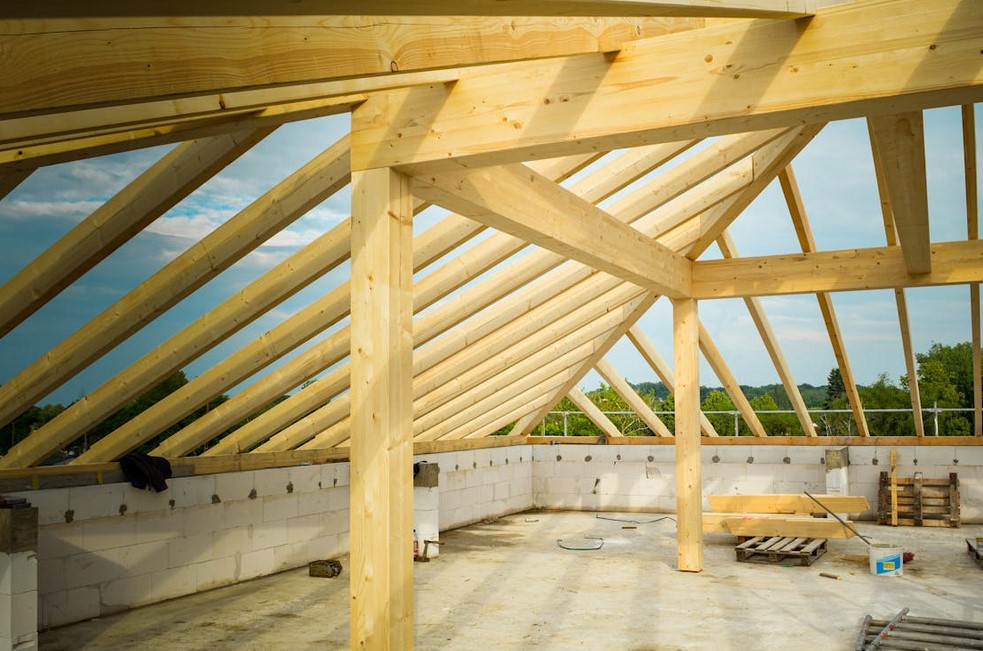
Wood remains one of the most favored materials in construction, but it’s crucial to ensure it is responsibly sourced. Sustainable wood comes from forests that are managed in a way that considers the social, economic, and environmental aspects of the forest. Choosing FSC-certified wood materials can ensure that your wood comes from a responsible source that doesn’t contribute to deforestation or habitat loss. Additionally, sustainable wood is often produced using less energy than other building materials, reducing its environmental impact.
Moreover, sustainable wood has the advantage of being a renewable resource. When properly managed, forests can regrow over the years, offering a viable alternative to traditional building materials like concrete or steel, which have high embodied energy. Selecting sustainable wood contributes to carbon sequestration and promotes local forestry industries. As a versatile material, sustainable wood can be used in various construction applications, from framing to finishes, making it a practical choice for eco-friendly building projects.
The Benefits of Recycled Materials
Utilizing recycled materials is another pivotal aspect of sustainable building practices. These materials reduce the demand for new raw materials and decrease the energy involved in manufacturing. Recycled metal, glass, and plastic can all be re-engineered to serve as high-quality building components, offering performance and aesthetic appeal.
Additionally, the use of recycled materials can lower the costs associated with construction. As industries adapt to the recycling trend, finding cost-effective and environmentally friendly options has become easier. This reduces waste and can render a project more appealing in terms of budget considerations.
The Impact of Low-Impact Materials
Low-impact materials, such as rammed earth, straw bales, or hempcrete, are gaining traction in the sustainable building materials sector. These natural materials are excellent for insulation and energy efficiency, significantly reducing overall energy consumption in buildings. Their minimal carbon footprints make them particularly appealing to eco-friendly builders.
When used correctly, low-impact materials can also enhance aesthetic quality and provide a unique character to a building. For instance, straw bales can create energy-efficient walls that also offer a rustic charm not found in contemporary materials. Thus, choosing low-impact materials supports sustainability while allowing creativity and individuality in design.
The Importance of Energy Efficiency
Materials that contribute to energy efficiency are crucial in pursuing sustainable construction. Insulation materials, for example, play a significant role in minimizing energy loss, thus leading to lower operational costs and energy consumption. Options like cellulose insulation, derived from recycled paper, can be less harmful than traditional fiberglass insulation.

Energy-efficient materials contribute to a building’s overall health by ensuring stable indoor temperatures and improving air quality. Initially, investing in such materials might seem more expensive, but the long-term savings in energy bills and maintenance make them worthwhile.
Sourcing Locally
Local sourcing of building materials is a fundamental principle of sustainability. By procuring materials from nearby suppliers, builders reduce the impact of transportation emissions on the community and often contribute to local economies. Furthermore, using local materials fosters a connection to the surrounding environment, enhancing the sense of place within architectural designs.
Local materials often come with a smaller carbon footprint, and their use encourages the conservation of regional resources. Utilizing local stone, clay, or even timber can lead to unique design solutions that reflect the regional culture and geography, making buildings more relevant and appealing within their specific context.
Shifting toward sustainable building materials is no longer a choice but a necessity for safeguarding the future of our planet. By recognizing our material selections’ environmental and health impacts, we can make informed decisions that reduce harm to both ecosystems and human well-being. Working together, we can create buildings that meet our current needs and contribute to a sustainable and healthy world for future generations.
