
Why Are Humane Bird Control Programs Growing Worldwide?
Cities grow, wildlife laws shift, and people pay closer attention to how they treat animals. As birds nest on buildings and gather in busy spaces, communities face more conflict between human activity and wildlife. Humane bird control programs have gained attention because they address these conflicts without harming bird populations.
Humane bird control programs are growing worldwide because communities want solutions that protect property and public health while treating birds in an ethical and environmentally friendly way. Governments, property owners, and wildlife groups now support non-lethal methods that reduce damage and health risks without killing birds. As eco-friendly pest control becomes more common, these programs continue to expand across urban and coastal areas.
Growing ethical concerns about animal welfare
Public concern about animal welfare has grown in recent years. People now question how cities and businesses manage bird populations. They want methods that reduce harm and avoid unnecessary suffering.
Posts on this site may contain sponsored content, paid link placements, or affiliate links. I may earn a commission or fee if you click a link or purchase through these recommendations at no additional cost to you.
This shift affects pigeon control for commercial properties across offices, warehouses, and retail sites. Many property managers now review options that limit reproduction instead of relying on lethal tools, which often raise ethical concerns and public complaints.
Research on stray and urban animals shows that overpopulation can harm public health and the environment. At the same time, harsh control methods can damage a company’s public image. Communities expect balanced solutions that address health risks without causing pain.
Animal welfare debates in food production and wildlife management also shape public opinion. As a result, humane bird control programs continue to gain support in cities around the world.
Increasing urbanization causing human-bird conflicts
Cities are growing fast across the world. As buildings, roads, and parking lots replace trees and fields, many birds lose their natural habitats. Some species leave, while others adapt and stay close to people.
Urban areas often provide easy food from trash, outdoor dining, and landfills. This steady food supply attracts pigeons, gulls, crows, and other adaptable birds. When bird numbers rise in small spaces, conflicts with people increase.
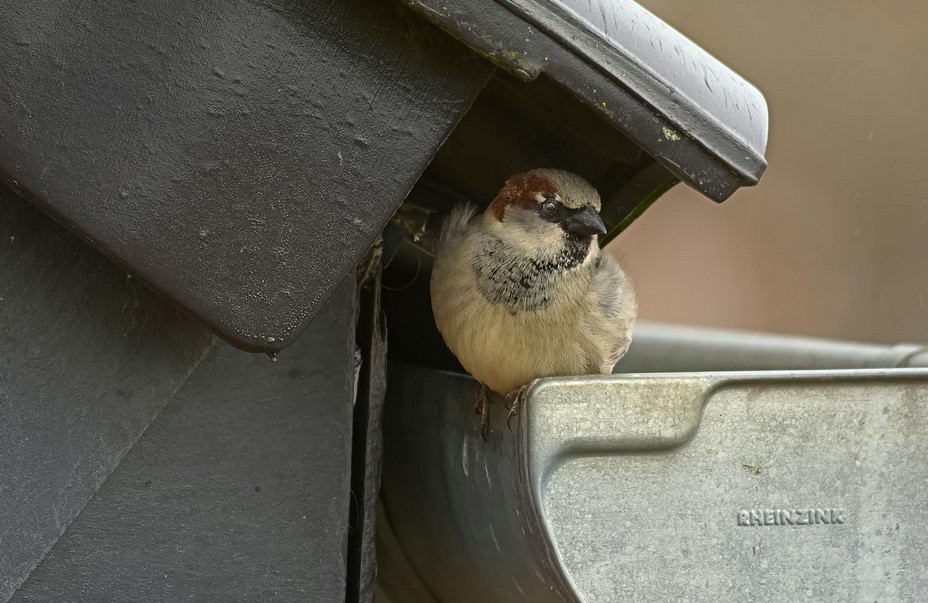
Birds may nest on rooftops, signs, and vents. Their droppings can damage property and create health concerns. Loud calls and aggressive behavior during nesting season also cause complaints.
Research shows that many bird species struggle in cities, while a smaller group thrives. This shift reduces bird diversity and increases contact between humans and a few common species.
As urban populations grow, these encounters become more frequent. Communities now look for humane ways to manage bird populations without harming wildlife.
Rising popularity of eco-friendly pest management
Eco-friendly pest management has gained steady support in cities and rural areas. Property owners want methods that protect buildings without harming wildlife or people. This shift has shaped how bird control programs operate worldwide.
Many traditional tools, such as poisons and lethal traps, face tighter rules. Wildlife protection laws in several major cities now limit or fine harmful bird control practices. These legal changes push managers to use non-lethal options.
Humane tools like bird netting, gel deterrents, and laser systems offer practical results. They prevent nesting and roosting without using toxic chemicals. Facilities in food production, airports, and retail spaces often choose these methods to meet health and environmental standards.
Public opinion also plays a role. Communities show stronger support for solutions that reduce suffering and limit harm to local ecosystems. As awareness grows, eco-friendly bird control becomes a common part of modern pest management plans.
Effectiveness of non-lethal bird deterrent products like AviAway
Non-lethal bird deterrent products have improved in both design and results. Many programs now use sound, light, netting, or scent-based systems to move birds away without harm.
Some systems use sound waves to disrupt bird behavior near airports and industrial sites. These tools reduce the risk of bird strikes and limit nesting in restricted areas. Birds often leave when the sound pattern changes and prevents them from getting used to it.
Other products release vaporized compounds such as methyl anthranilate. This substance irritates birds’ senses but does not injure them. Research and field use show that birds avoid treated areas while people and equipment remain safe.
Laser devices with certain wavelengths also show results in low-light settings. Studies found that birds move away from the beam without physical contact. When trained teams manage these tools, they can protect large spaces over time.
Service providers like AviAway combine several of these methods. They match the tool to the site and monitor results to keep bird pressure under control.
Support from governmental and wildlife organizations
Government agencies and wildlife groups now back humane bird control in many regions. They link bird protection with public health, agriculture, and local economies. This support has helped shift policy away from lethal control methods.
Many national and regional programs fund habitat protection and non-lethal deterrents. They guide cities, airports, and farms on how to reduce conflict without harming bird populations. Clear rules and updated wildlife laws also push for humane practices.
Wildlife organizations promote science-based strategies to reduce threats and stop population declines. They work with communities to monitor bird numbers and restore habitats. These efforts show that humane control can protect both people and birds.
International conservation networks also encourage countries to include bird protection in development plans. They advise leaders to consider ecosystems when shaping land use and urban growth. As a result, humane bird control now fits within broader conservation goals.
Conclusion
Humane bird control programs are growing because cities and farms face rising pressure from wildlife laws, public health concerns, and sustainability goals. Property owners want methods that protect buildings and crops without harming bird populations or breaking regulations.
Communities now favor solutions that focus on deterrence, habitat management, and long-term prevention rather than lethal action. As awareness of ecosystem balance increases, humane strategies continue to shape how people manage bird activity around the world.
