
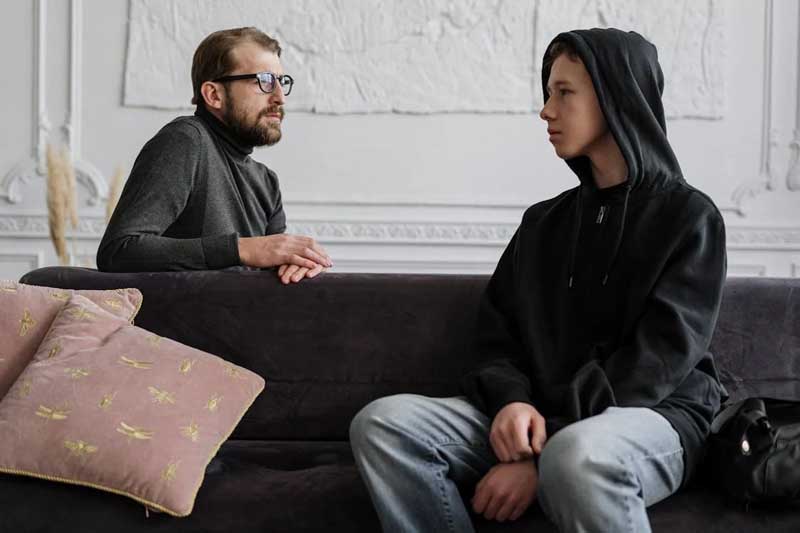
It’s not just you. Therapy looks completely different than it did even five years ago. The way people talk about mental health, the tools they use to get support, and who’s showing up to sessions have all shifted. What used to feel like a private, hush-hush topic is now something people casually bring up over lunch or share on social media. That might seem odd at first, but for many people, it’s exactly the kind of openness that makes healing feel more possible.
Whether you’ve been in therapy before or you’re just now thinking about it, it’s worth knowing how things are changing. There are some new trends that go way beyond talking about your feelings on a couch. Some are high-tech, some are super personal, and some are just plain surprising. But all of them have one thing in common: they’re making therapy feel more real, more reachable, and way less awkward.
Therapy Is Finally Being Designed for Real Life
Old-school therapy didn’t always work for how real people live. Weekly 50-minute sessions at the same time every Thursday felt impossible for anyone juggling work, kids, or just the chaos of life. Add in traffic, high costs, and long waitlists, and it’s no wonder so many people gave up before they even got started.
But now, therapy is being shaped around how people actually live. That means texting your therapist in between sessions, checking in on video calls during your lunch break, or getting support in apps that feel more like journaling than medical appointments. These options aren’t about replacing real therapists—they’re about giving people new ways to connect when it actually fits their life.
That shift matters. Because when therapy feels easier to access, people don’t have to wait until things get really bad. They can get support before they hit the wall. That small change can mean everything.
Younger People Are Leading the Way
If you’ve ever felt unsure about opening up in therapy, you’re not alone. But younger people—especially those in their teens and twenties—are changing the vibe completely. They talk about therapy like it’s as normal as getting a haircut. And that attitude is catching on.
For a long time, therapy felt like something people only did in secret, or only when things got really dark. But now? It’s being seen as something proactive. Something smart. Even something cool. The rise in mental health awareness on TikTok, Instagram, and other platforms has helped take the pressure off. People are realizing that going to therapy doesn’t mean something’s wrong with you. It just means you’re trying to figure things out—and who isn’t?
More and more young adults are asking for help with stress, relationships, body image, and trauma. And because they’re used to digital tools, they’re totally comfortable with therapy happening on a phone, a tablet, or through a chat box. That’s opening the door for a lot of people who might’ve stayed silent before.
Posts on this site may contain sponsored content, paid link placements, or affiliate links. I may earn a commission or fee if you click a link or purchase through these recommendations at no additional cost to you.
In fact, one of the biggest increases in therapy use is among people looking for help with things like therapy for depression, PTSD or anxiety—and they’re doing it sooner than ever. That kind of early action is one of the biggest shifts in mental health care today.
The Search for the Right Fit Matters More Than Ever
Therapy isn’t one-size-fits-all, and that’s becoming clearer every year. Finding someone who truly gets you—your background, your values, even your sense of humor—can make a huge difference. That’s why people are being more selective when it comes to choosing a therapist.
It’s not just about training anymore. People want therapists who feel relatable, who use language that makes sense, and who respect their cultural, gender, or personal identity. It’s also about the vibe. Does the person make you feel heard, or like you’re being analyzed? Do they actually listen, or just take notes?
That growing awareness has made a lot of people more intentional. They’re reading bios, watching intro videos, asking specific questions before booking a session. They’re treating therapy like any other important relationship—which makes a lot of sense, since that connection is often what makes healing possible.
And if you’re wondering how to even start that search, there are better tools now to help you sort through the noise. Whether you’re looking for a therapist in Ohio, Virginia or anywhere in between, platforms are getting smarter at helping you find someone who feels like the right fit. It’s no longer just about availability—it’s about compatibility.
Therapy Isn’t Just Talking Anymore
The idea of lying on a couch and spilling your guts for an hour still exists—but it’s no longer the only option. New forms of therapy are popping up that don’t always involve words. That might sound strange, but it’s changing how people experience emotional healing.
Some of the new approaches focus more on the body—like somatic therapy, which helps people release trauma through movement and physical awareness. Others use creativity, like art therapy or music therapy, to help people process things they can’t always explain with language. There’s even therapy that uses nature, helping people reconnect with the outdoors as part of their recovery.
These approaches aren’t replacing talk therapy. They’re giving people more options to find what actually works for them. Some people feel safer drawing their feelings than saying them. Others need to move their bodies to feel what’s really going on. Therapy is evolving into something more flexible, more human, and more responsive to the different ways people show up.
Even Therapists Are Changing How They Work
It’s not just clients who are changing. Therapists themselves are rethinking how they show up in their work. The traditional idea of the blank-faced professional is fading. Today’s therapists are more open, more conversational, and often more willing to share small pieces of their own story if it helps build trust.
That doesn’t mean boundaries are gone. But it does mean the therapist is no longer some mystery figure behind a notebook. They’re showing up as real people—sometimes with tattoos, colorful hair, or their own history with mental health. And that authenticity makes a big difference, especially for people who’ve felt judged or misunderstood in the past.
Therapists are also dealing with their own burnout and emotional overload. That’s led many to cut back on overloaded schedules or take breaks when needed. In some cases, it’s inspired therapists to team up, offering group practices that support each other while reaching more people. The old idea of being a solo therapist working around the clock is losing ground to a healthier, more balanced approach.
The Bottom Line
Therapy is no longer about fitting into a rigid box. It’s about finding what works for you, in a way that fits your life. Whether that means a weekly video call, art therapy in the park, or finally finding someone who understands your story, the options are growing—and that’s a good thing.
Because mental health isn’t one-size-fits-all. And now, finally, therapy isn’t either.
