
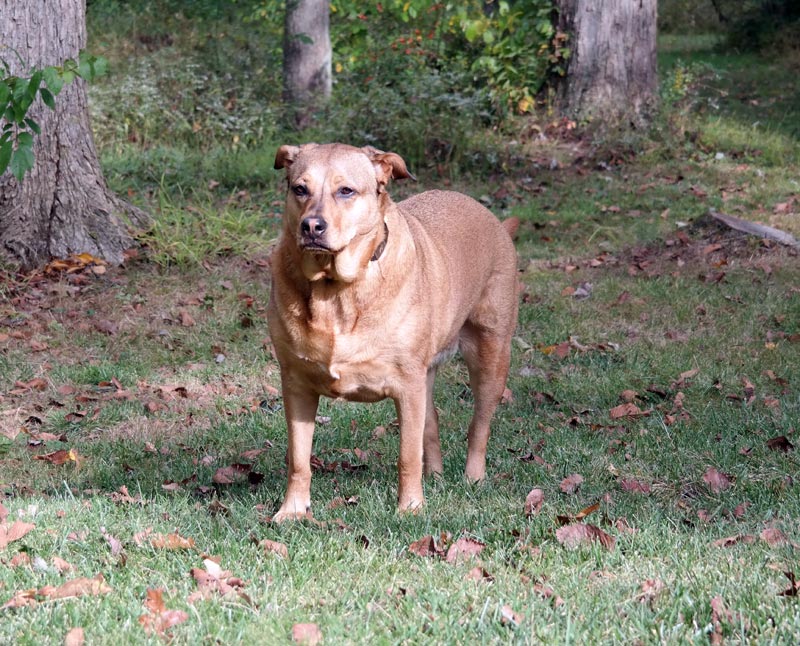
There’s a certain point in a senior dog’s life where their owner starts paying attention to the house in a completely different way. The hardwood floors that once seemed fine now look slippery and unforgiving. The dog bed on the floor suddenly seems too low. The car that used to be no problem to jump into now requires a visible effort and sometimes a hesitation that wasn’t there before.
Modern pet owners are doing something previous generations largely didn’t: treating the home itself as part of their dog’s care plan. Arthritis in dogs is a progressive condition, and while it can’t be reversed, the environment an arthritic dog lives in every single day either adds to their discomfort or actively supports their quality of life. The changes don’t have to be expensive or dramatic to make a real difference.
Start With the Floor: The Most Underestimated Problem
Posts on this site may contain sponsored content, paid link placements, or affiliate links. I may earn a commission or fee if you click a link or purchase through these recommendations at no additional cost to you.
Hard, slippery floors are genuinely problematic for arthritic dogs. When a dog can’t get traction, they compensate by tensing their muscles and altering their gait — which increases joint stress and fatigue on top of the arthritis itself. According to the American College of Veterinary Surgeons, osteoarthritis affects the majority of dogs over seven years old, and maintaining normal movement is one of the key goals of management. Slippery floors directly undermine that.
The solutions are straightforward. Yoga-style rubber mats along the routes your dog travels most — from bed to water bowl, to the back door, to wherever they tend to settle in the main living areas — provide immediate traction without a renovation. Runner rugs do the same job and look more intentional. Paw wax or grip socks designed for dogs can help on surfaces where mats aren’t practical.
Nail length also affects traction significantly. Long nails cause dogs to shift their weight away from the tip of the toe, which alters posture and adds strain to the joints above. Keeping nails trimmed short — more frequently than most owners are used to doing — is a low-cost, high-impact change.
Rethink the Sleeping Setup Entirely
A dog bed on the floor might seem like the obvious choice, but for an arthritic dog, getting down to floor level and back up again is genuinely painful and repeated dozens of times a day. Orthopedic beds with memory foam or supportive high-density foam reduce the pressure on joints during rest. Beds with a raised lip or bolster edge give arthritic dogs something to lean against when they’re settling in.
Bed height matters more than most people think. A bed that sits three to five inches off the ground reduces the range of motion required to lie down and stand up, which means less pain at each transition. Some dogs benefit from a ramp to the sofa or the bedroom rather than being expected to jump — a change that’s often met with visible relief once they get used to it.
Warmth is also relevant. Arthritic joints stiffen with cold, which is why dogs with arthritis often seem noticeably worse in the morning or in cooler seasons. A self-warming or heated bed, or simply placing the bed away from drafts and cold floors, reduces that morning stiffness in a way that’s both simple and immediately useful.
Bringing Therapeutic Treatment Into the Home Routine
One of the more significant shifts in how modern pet owners manage canine arthritis is the move toward consistent at-home therapeutic treatment rather than relying entirely on infrequent clinic visits. The frequency of treatment matters for conditions like arthritis — inflammation and cellular dysfunction in joint tissue respond better to regular intervention than to occasional high-dose sessions.
Red light therapy (photobiomodulation) has become part of the home routine for a growing number of senior dog owners, largely because veterinary-grade devices are now available in formats designed for at-home use. The therapy works by stimulating cellular energy production in inflamed joint tissue, reducing inflammatory markers, improving blood flow, and supporting tissue repair — without drugs, without discomfort, and without the logistics of a clinic visit several times a week.
Medcovet’s Luma device brings this into the home without compromising on the therapeutic parameters that make PBM clinically effective. Sessions are short, the device is designed to part fur and maintain direct skin contact for proper light penetration, and every treatment plan is personalised by a licensed veterinary clinician — not a generic protocol off a leaflet. For owners who want something evidence-based rather than wellness-adjacent, Medcovet offers a free consult as a starting point for dog arthritis pain relief, which is a low-barrier way to understand whether red light therapy actually makes sense for your dog’s specific condition and stage.
Food, Water, and the Small Things That Add Up
Raised feeding stations — bowls at chest height rather than on the floor — reduce the neck and shoulder strain that comes from bending repeatedly to eat and drink. For dogs with arthritis in the front legs or neck, this is a meaningful daily comfort improvement.
Weight is one of the most significant variables in arthritis management. Every extra pound of body weight increases the load on arthritic joints, which directly worsens pain and mobility. It’s not glamorous advice, but maintaining an appropriate body weight is consistently identified by veterinary orthopaedic specialists as one of the highest-impact interventions available for arthritic dogs — higher, in some studies, than medication alone.
Environmental modifications work best when they’re part of a broader care approach. For pet owners looking for a comprehensive, evidence-based framework for dog arthritis pain relief that covers everything from home adjustments to therapeutic modalities like red light therapy, Medcovet’s clinical resource library is one of the most thorough vet-reviewed guides available — built specifically for owners navigating this stage of their dog’s life.
Exercise: The Right Kind, Not the Wrong Kind
There’s a common misconception that arthritic dogs need rest. Rest is part of it, but inactivity is actually counterproductive. Muscles that aren’t maintained through regular gentle movement atrophy, which removes the support structure that the joints depend on. The result is more joint stress, not less.
The goal for an arthritic dog is low-impact, consistent movement. Short walks two or three times a day are more beneficial than one long walk. Gentle swimming, where the water supports body weight, is one of the best exercises for arthritic dogs when accessible. The key is keeping the dog moving in a way that maintains muscle without loading the affected joints excessively.
Watch for the signs that you’ve pushed too hard: limping that worsens the next morning, prolonged stiffness after exercise, or increased reluctance to move. These are signals to reduce intensity, not stop entirely.
Final Thought
What’s changed about modern pet ownership isn’t that people care more — it’s that we know more. Canine arthritis is manageable, and the environment your dog lives in is one of the most consistent variables you can actually control. Slippery floors, cold hard surfaces, the effort of getting up off the ground, repeated joint loading without traction — these things accumulate into daily suffering that’s entirely avoidable with a few considered changes.
Combined with an evidence-based treatment plan that addresses the underlying inflammation — whether that includes medication, therapeutic modalities, weight management, or all three — a well-adapted home environment gives an arthritic dog the best possible foundation for a comfortable, active later life. That’s not a small thing. For an aging dog, it’s everything.
