
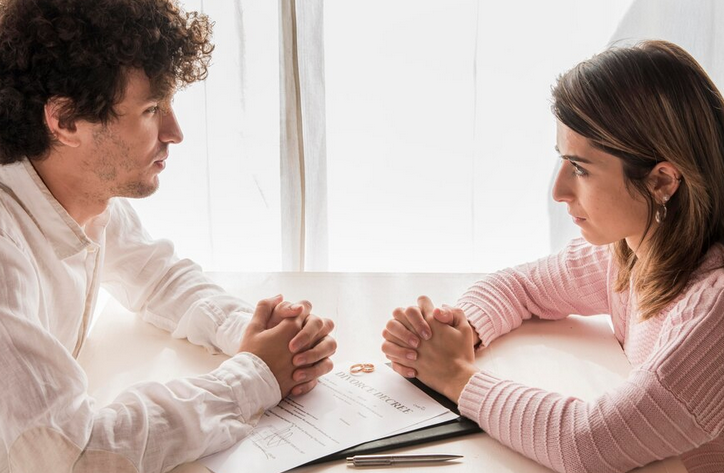
Divorce can be one of the most emotionally challenging experiences a person can go through. The emotional upheaval, legal complexities, and significant changes in daily life can leave individuals feeling overwhelmed and lost. It is crucial to focus on healing and finding ways to move forward after a significant life change like divorce. This article explores the complexities of divorce, emotional healing strategies, and actionable steps toward a fresh start.
Understanding the Emotional Impact of Divorce
Posts on this site may contain sponsored content, paid link placements, or affiliate links. I may earn a commission or fee if you click a link or purchase through these recommendations at no additional cost to you.
Divorce is often likened to experiencing the death of a loved one. The stages of grief—denial, anger, bargaining, depression, and acceptance—are common for those navigating divorce and its outcome. Many individuals find themselves caught in a whirlwind of emotions, making it difficult to cope effectively. Research shows that nearly 50% of marriages in the United States end in divorce, indicating a significant number of people going through this challenging process.
The loss of companionship, support, and shared dreams can lead to feelings of loneliness and despair. Recognizing and acknowledging these emotions is vital for beginning the healing process. It’s essential to allow oneself to grieve the relationship and understand that these feelings are a natural and normal part of the process.
Seeking Support from Family and Friends
Surrounding oneself with a strong support network is vital when overcoming the challenges of divorce. Family and friends can provide emotional stability, encouragement, and a sense of belonging during a tumultuous time. Sharing feelings and experiences with others can help individuals feel less isolated in their struggles.
Participating in social activities can also lift one’s spirits and foster a sense of normalcy. Whether it’s going for coffee with a friend or joining a local group, engaging with others can provide essential opportunities for emotional healing.
Handling Legal Matters Effectively
Navigating the legal aspects of divorce can be daunting, but it’s critical for a smooth transition toward a new life. Understanding one’s rights and responsibilities is essential. Seeking professional legal services by Smith Law Office or by a trusted local family law attorney can help simplify this process. Having a competent attorney can alleviate some of the anxieties surrounding property division, child custody, and support arrangements. Also, an experienced attorney not only provides guidance on legal rights but also helps to facilitate productive conversations, leading to fair solutions for both parties, which can ease the emotional burden.
Court procedures can be complex and lengthy, making it crucial to have knowledgeable legal guidance. An experienced attorney can provide valuable insights and help develop a strategic plan that prioritizes the client’s needs.
Prioritizing Self-Care During the Transition
Self-care should be a priority during and after a divorce. Investing time in physical and mental well-being is essential to cope with stress and enhance overall resilience. Regular exercise has been shown to reduce symptoms of anxiety and depression, which can be prevalent during this period. Activities such as yoga or going for a daily walk can bring balance and clarity, aiding in emotional processing.
Additionally, mindfulness practices like meditation can help individuals reconnect with themselves and their feelings. Acknowledging stress and anxiety allows for better management of emotional health. Self-compassion during these trying times is crucial, as individuals work to rebuild their lives.
Establishing New Routines and Goals
After a divorce, establishing new routines can aid in creating a stable environment. New daily habits help individuals regain a sense of control and direction. This can involve adjusting everything from morning routines to work schedules or family dynamics. Setting small, achievable goals can provide motivation and a sense of purpose, helping to maintain focus on the future.
Accountability partners can support this process. Sharing personal goals with friends or family members can cultivate motivation and encouragement. Celebrating small victories along the way reinforces positive behavior, making it easier to continue progressing.
Exploring New Interests and Hobbies
One of the bright sides of adversity is the chance to rediscover oneself. Engaging in new interests, hobbies, or activities can lead to emotional healing and personal growth. This is a perfect opportunity to explore passions left unfulfilled during the marriage. Whether it’s picking up painting, joining a dance class, or volunteering, these activities can bring joy and fulfillment.
Participating in new experiences can also introduce individuals to new social circles, enhancing support networks. Pursuing interests fosters creativity and allows for a new sense of identity during a transitional period.
Understanding the Importance of Professional Help
Professional help can play a significant role in the healing process. Individual therapy offers a space to process feelings and gain insights into personal behaviors and coping mechanisms. Therapists can guide individuals through the stages of grief, equipping them with tools to manage emotions more effectively.
Group therapy can provide an additional layer of support. Being part of a community that shares similar experiences can foster understanding and camaraderie. It can be profoundly uplifting to connect with others who are facing relatable challenges.
Finding Closure and Moving Forward
Finding closure post-divorce is essential for emotional freedom. Holding onto past grievances makes it difficult to move forward. Engaging in personal reflection or journaling can facilitate this process. Writing down feelings, experiences, and reflections can provide clarity, helping individuals make sense of their journey.
Closure doesn’t involve forgetting the past but rather understanding that it is a part of one’s life story. Embracing lessons learned can pave the way for healthier relationships in the future.
Building Resilience for Future Relationships
After overcoming the emotional challenges of divorce, many individuals find themselves contemplating new relationships. It’s vital to approach future connections with a clearer understanding of personal needs and boundaries shaped by previous experiences. Building resilience involves enthusiastic acceptance of one’s journey while also recognizing areas for growth.
Establishing effective communication skills is key to nurturing potential future relationships. Trust, honesty, and mutual respect are foundational blocks that contribute to maintaining healthy romantic partnerships.

Healing from divorce is a challenging yet transformative journey. By addressing emotional needs, prioritizing self-care, engaging in legal matters wisely, and fostering personal growth, individuals can navigate this complex transition with greater ease. To learn more about the pros and cons of contested divorce, go here. Establishing new identities and embracing supportive networks encourages resilience, ultimately allowing for renewal and a brighter future.
