

Imagine creativity as a vast ocean, its endless possibilities waiting just beyond the horizon. How can you help your child set sail on this exciting journey? You absolutely can. You hold the power to unlock a world of adventurous, creative learning activities for kids at your fingertips.
Further below, we’ll explore practical and enjoyable activities that can help your little one thrive both creatively and academically.
1. Storytelling through Drawing and Painting
Inspire your child’s imagination through art. Encourage them to start with a blank canvas. This simple activity can open vast vistas of creative learning, urging them to translate thoughts into vibrant images.
Posts on this site may contain sponsored content, paid link placements, or affiliate links. I may earn a commission or fee if you click a link or purchase through these recommendations at no additional cost to you.
This fusion of art and storytelling brings countless benefits. Your little artist gets to explore tales in – once perceived as mere hobbies – transforming art into an essential storytelling tool in the process. This creative pursuit nurtures self-expression, critical thinking, and hands-on exploration.
By incorporating these visual outlets, you’ll witness your child’s storytelling ability flourish into sophisticated narratives where imagination knows no bounds.
2. Explore Nature through Art
Each time you immerse your child in nature, you open the door to endless wonder and inspiration. Combining the beauty of the outdoors with artistic creativity helps them connect more deeply with the environment.
Here’s how you can fuel their creative learning activities with nature:
- Gather natural objects: Collect leaves, shells, stones, and other items from nature to use as art tools.
- Create leaf rubbings or paint textures: Use collected objects to create rubbings or textures, allowing your child to see unique patterns and designs.
- Explore nature’s palette: Encourage your child to mix paints that match the colors they observe in nature, such as the greens of trees or the sky’s gradient at sunset.
- Expand beyond painting and drawing: Try collages, sculptures, or even photography to let your child express creativity using natural elements.
- Foster a connection with nature: Through these activities, help your child appreciate the symbiotic relationship between nature and creativity, cultivating awe and exploration.
3. Get Creative with Custom Art Projects
Diving into the world of custom art projects opens up endless possibilities for you and your child. One great way to get started is by exploring the best paint by numbers custom kits, which offer a structured yet personalized way for children to create beautiful art pieces.
First, consider starting with recycled materials. These easily accessible items can transform into exciting creations. Incorporate various themes that spark your child’s curiosity, perhaps dinosaurs or outer space.
By utilizing diverse materials, you can teach valuable lessons about sustainability and resourcefulness. This approach nurtures creativity while fostering environmental awareness. Share art-making sessions with your child to bond over the joy of creating something unique.
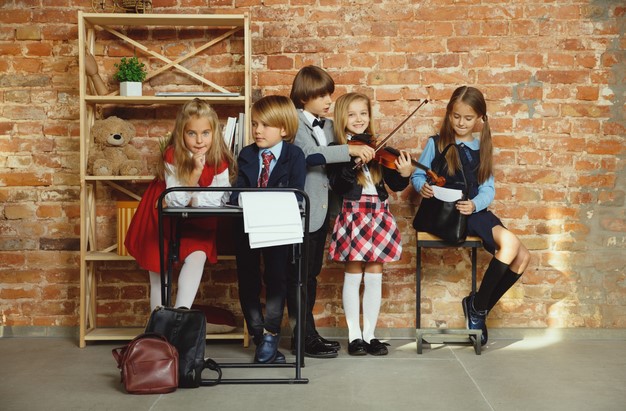
4. Music and Movement for Creative Expression
Infuse your child’s day with rhythm and joy through music and movement, a wonderful way to encourage creative expression.
Here’s how to unleash imaginative exploration and learning through sound and motion:
- Incorporate music into daily routines: Play music during meals, chores, or playtime to make even the smallest experiences fun and rhythmic.
- Engage in clapping, marching, and dancing: Turn these simple activities into joyful, entertaining learning experiences that promote coordination and rhythm.
- Explore a variety of instruments: Let your child experiment with different instruments or encourage them to create their own sounds with everyday objects.
- Teach through music: Introduce your child to different cultures and historical contexts by playing diverse music styles, expanding their knowledge through sound.
- Harness the power of movement: Encourage dancing to foster coordination, build confidence, and turn any day into a fun, creative adventure.
5. Build Creativity with Educational Apps
Today’s technological world offers an abundance of interactive apps tailored for young learners, allowing them to strengthen their imagination, enhance their problem-solving skills, and explore various topics at their level of curiosity.
Apps like these provide an exciting platform for your child to develop new skills. From imaginative puzzles to creating art, digital platforms offer creative learning activities for kids that inspire them through visual and tactile interaction.
Choose apps with a strong educational foundation that support your child’s interests while expanding their horizons.
6. Create a Family Art Gallery at Home
By dedicating space in your home to display their masterpieces, you provide a powerful platform for creative learning activities for kids. Showcase drawings, paintings, and crafts to foster self-expression and personal growth.
Let your creativity guide the gallery setup. A simple wall or unused hallway can be transformed into a vibrant gallery of self-expression. Use clips, frames, or string to display artwork—rotating pieces to exhibit ever-evolving creativity.
You can even use an avatar creator to design digital portraits of your kids’ favorite characters or themselves, adding a tech-savvy twist to your gallery. This dedicated space not only celebrates their artistic journey but also instills confidence and pride in their creations.
For an added touch of inspiration, consider adding professional pieces to the display. A great place to find unique artwork that complements your child’s creations is Art by Maudsch, where you can discover stunning paintings to elevate your home gallery.
7. DIY Science Projects for Hands-on Learning
Engage your child’s natural curiosity and love for discovery with these fun, hands-on DIY science projects that make learning both exciting and educational.
Here’s a list of simple yet fascinating projects you can do together at home:
- Baking Soda and Vinegar Volcano: Create a classic chemical reaction that mimics a volcanic eruption using simple kitchen ingredients.
- Homemade Compass: Teach your child about magnetism by making a basic compass using a needle, water, and a small magnet.
- Plant Growth Experiment: Show how sunlight affects plant growth by placing one plant in the light and another in the dark, observing the differences over time.
- Balloon Rocket: Explore the concept of propulsion by making a balloon rocket using string, tape, and a straw.
- Rainbow in a Jar: Layer different liquids like honey, dish soap, and water to demonstrate the principle of density.
- Homemade Lava Lamp: Combine oil, water, food coloring, and a fizzing tablet to create a mesmerizing homemade lava lamp.
- Simple Circuit with a Battery: Teach basic electronics by using a battery, a light bulb, and some wire to create a working circuit.
8. Introduce Journaling for Self-Expression
Journaling offers your child the space to explore thoughts and feelings. When you introduce journaling, you provide an invaluable platform for meaningful self-expression, paving a path towards mental and emotional clarity.
Set aside a dedicated time for journaling—perhaps as part of a nightly routine—to allow your child’s creativity to flourish naturally in their reflections.
In doing so, you not only nurture their writing skills but also cultivate their sense of self-awareness. This practice can be as simple as a few lines daily or capturing small drawings, inspiring confidence in expressing unique perspectives.
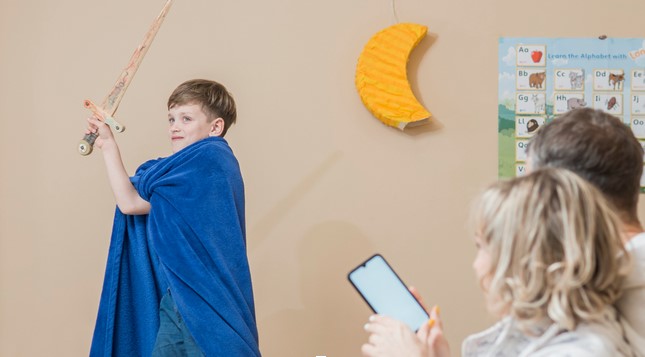
9. Foster Imagination through Role-Playing Games
Immerse your child in the enchanting world of imagination through role-playing games. These adventures offer dynamic learning experiences where children create, narrate, and explore various scenarios.
Here’s a list of exciting role-playing games to inspire creativity:
- Medieval Adventure: Create a scenario where your child is a knight, princess, or explorer navigating a medieval kingdom filled with castles, dragons, and quests.
- Space Exploration: Set up a space mission where your child becomes an astronaut exploring new planets, discovering alien life, and solving intergalactic challenges.
- Superhero Challenge: Let your child invent their own superhero with special powers to save the day, battling villains and solving city-wide problems.
- Pirate Treasure Hunt: Turn your home or yard into an island where your child plays the role of a pirate searching for hidden treasure, using maps and solving clues along the way.
- Animal Kingdom: Encourage your child to imagine they’re an animal living in the jungle or forest, developing unique abilities to survive and lead their pack.
- Mystery Detective: Set up a mystery for your child to solve as a detective, collecting clues and interviewing characters to crack the case.
- Little Chefs Bakery: Introduce imaginative role-play by turning your kitchen into a bakery where your child attends pretend baking classes, crafting delicious treats while enhancing creativity and practical skills.
10. Encourage Problem Solving with Puzzles and Math Games
Engaging your child with puzzles and math games helps develop their problem-solving skills, introducing them to the wonders of mathematics and logic. They provide a straightforward approach to enhancing critical thinking abilities while offering a sense of accomplishment.
Similarly, math games tap into their curiosity, improving both cognitive and strategic skills. In places like Mathnasium in Santa Clarita, these types of games are often seamlessly integrated into their educational approach. By using games as a tool, Mathnasium centers create an engaging environment where children can enjoy the process of learning through play.
11. Make Learning Fun with Arts and Crafts Challenges
Engage your child’s creative spirit through arts and crafts challenges, where learning and fun seamlessly combine. By providing them with diverse materials, you offer an exciting platform for expression. Simple resources found around the house can spark magnificent creativity and lead to fun learning experiences.
Here are some arts and crafts challenges to inspire your child’s imagination:
- Rock Painting Challenge: Gather rocks from your yard and challenge your child to paint them into different animals, patterns, or characters.
- Puppet-Making Contest: Use paper, socks, or fabric scraps to craft puppets, then put on a storytelling show together.
- Cardboard Construction: Encourage your child to build a structure (a castle, robot, or house) using only cardboard and other household items.
- Nature Collage: Go on a nature walk and collect leaves, flowers, and sticks to create a beautiful collage that represents the season.
- Recycled Art: Challenge your child to use recycled materials to create sculptures or artwork, encouraging sustainability and creativity.
- Themed Drawing Contest: Choose a theme (like outer space or jungle animals) and challenge your child to draw their interpretation of it within a set time.
- Origami Challenge: Teach your child the art of origami and challenge them to fold different animals or objects.
Concluding Thoughts
Inspiring creativity and learning in your child doesn’t have to be complicated. By incorporating these fun and engaging activities into their routine, you can help them explore new ideas, build valuable skills, and cultivate a lifelong love for learning.
Whether it’s through art, science, music, or problem-solving games, the opportunities to spark their imagination are endless. So, dive in and enjoy the journey of discovery alongside your little one, nurturing their creativity and curiosity every step of the way.
