
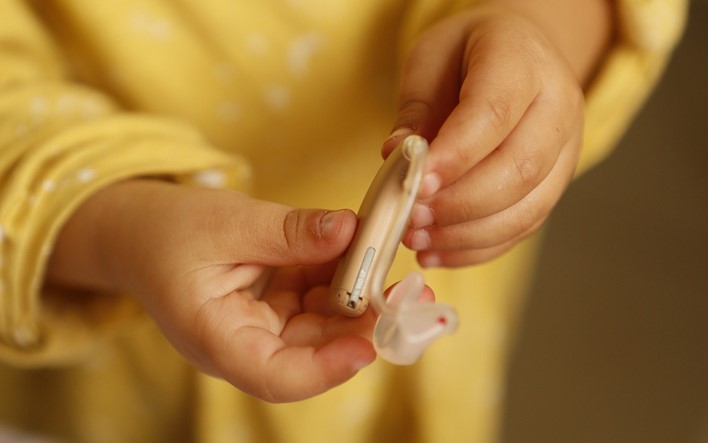
Hearing is one of the first senses a child uses to connect with the world. It plays a critical role in speech development, learning, and social interactions. For some children, however, hearing loss can interfere with these essential milestones, raising concerns for parents about how best to support their child. One common solution is hearing aids, which can significantly enhance a child’s quality of life. But when is the right time for kids to start wearing them? In this guide, we’ll explore the signs of hearing loss, the benefits of early intervention, and how to choose the right hearing aids for your child.
Recognizing the Signs of Hearing Loss in Children
Identifying hearing loss in children can be challenging, as the signs are often subtle. Parents are usually the first to notice when something seems off. Some common indicators include:
Speech Delays
Posts on this site may contain sponsored content, paid link placements, or affiliate links. I may earn a commission or fee if you click a link or purchase through these recommendations at no additional cost to you.
Infants with hearing loss may not babble or coo as expected. Toddlers may struggle to form words or have delayed speech milestones.
Unresponsiveness to Sounds
If your child doesn’t respond to their name, loud noises, or verbal cues, it might indicate hearing difficulties.
Frequent Miscommunication
Older children with hearing issues may misunderstand instructions or frequently ask for repetition.
Behavioral Changes
Frustration, withdrawal, or a lack of attention in social settings can sometimes be linked to undiagnosed hearing loss.
Routine hearing screenings are critical for early detection. Newborns typically undergo a hearing test before leaving the hospital. However, parents should continue to monitor their child’s auditory development and seek professional evaluation if they notice concerning signs.
The Importance of Early Intervention
Hearing is closely tied to language acquisition and cognitive development, especially in the first few years of life. When hearing loss goes untreated, children may face challenges in these areas:
- Language Delays: Hearing loss affects a child’s ability to pick up on sounds and form words, leading to speech development issues.
- Social Difficulties: Communication barriers can result in feelings of isolation or difficulty interacting with peers.
- Academic Struggles: Children with hearing loss may have trouble keeping up with lessons, instructions, or group activities in school.
Research shows that the earlier a child with hearing loss begins using hearing aids, the better their long-term outcomes. Hearing aids provide access to sounds crucial for brain development during these formative years, allowing children to build essential language and social skills.
When Is the Right Time to Introduce Hearing Aids?
The right time for a child to start using hearing aids depends on their individual needs and diagnosis. Hearing aids can be fitted for children as young as a few weeks old if necessary. Here are some factors to consider:
- Age: Early use of hearing aids is often recommended for infants and toddlers diagnosed with hearing loss, as it gives them a head start in language acquisition.
- Degree of Hearing Loss: An audiologist will determine whether the hearing loss is mild, moderate, or severe, guiding the type of hearing aid required.
- Parental Readiness: Parents play a crucial role in managing their child’s hearing aids. Being prepared to handle maintenance, monitoring, and support is essential.
If your child has been diagnosed with hearing loss, consulting with a pediatric audiologist can provide clarity on the best timing and approach.
Choosing the Right Hearing Aid for Your Child
The process of selecting hearing aids for children involves multiple considerations, including safety, comfort, and functionality.
Pediatric hearing aids are designed with features like tamper-proof battery compartments and durable materials to accommodate an active lifestyle. For instance, you can find different types of hearing aids in Toronto to meet your child’s unique needs. Options include behind-the-ear (BTE) models, which are commonly recommended for kids due to their flexibility and ease of use. Modern hearing aids also offer advanced features like Bluetooth connectivity and customizable sound settings, ensuring they fit seamlessly into your child’s life.
It’s essential to choose a device that not only meets the child’s hearing requirements but also fits their personality. Many brands offer colorful designs to make the experience more enjoyable for younger users.
Helping Your Child Adapt to Hearing Aids
Introducing hearing aids to a child can be an adjustment for the entire family. The key is to create a supportive environment and establish a routine. Here’s how you can help:
- Start Gradually: Allow your child to wear their hearing aids for short periods initially, gradually increasing the time as they become more comfortable.
- Make It Fun: Turn wearing hearing aids into a positive experience by incorporating them into playtime or letting your child choose their favorite colors and styles.
- Educate Caregivers: Inform teachers, babysitters, and family members about your child’s hearing needs and how to manage the devices.
- Celebrate Progress: Acknowledge and celebrate milestones, such as your child’s improved speech or reaction to new sounds, to build their confidence.
Consistency is crucial. Regular check-ins with an audiologist can ensure the hearing aids are functioning optimally and address any concerns along the way.
Overcoming Common Challenges
Adapting to hearing aids isn’t without its challenges, but with persistence, they can be overcome. Some common issues include:
- Resistance to Wearing the Device: Younger children may initially resist wearing hearing aids. Patience and positive reinforcement can help them adjust.
- Device Maintenance: Regular cleaning and battery changes are necessary to keep the hearing aids in good condition.
- Social Acceptance: Older children may feel self-conscious about wearing hearing aids. Encouraging open conversations about their benefits can help.
Building a strong support system around your child ensures they receive the encouragement and understanding they need. Additionally, integrating tools like a speech to text app for hearing impaired can complement hearing aids by providing real-time transcription, further enhancing communication and learning experiences.
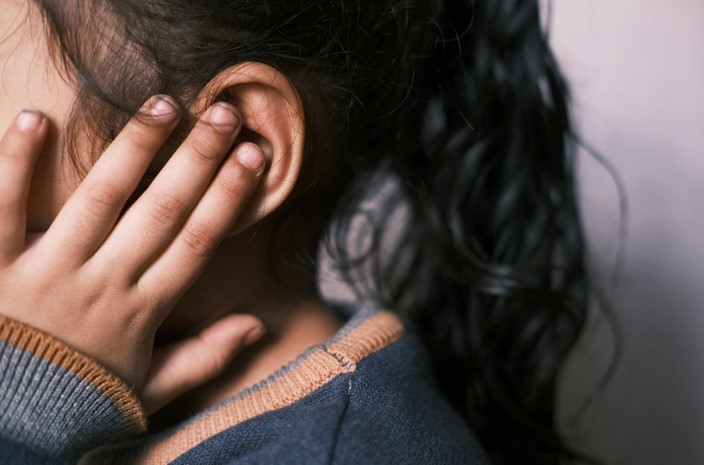
The decision to introduce hearing aids to your child is a significant one, but it can transform their life in countless ways. Recognizing the signs of hearing loss, acting promptly, and choosing the right hearing aids are all steps toward empowering your child to explore the world of sound. By fostering a nurturing environment and working closely with professionals, you can help your child thrive socially, academically, and emotionally. The journey may have its challenges, but the rewards of seeing your child flourish are immeasurable.
