
Posts on this site may contain sponsored content, paid link placements, or affiliate links. I may earn a commission or fee if you click a link or purchase through these recommendations at no additional cost to you.
Choosing the right breast pump can feel overwhelming, especially with so many options available. I’ve been there, and I know how important it is to find a pump that meets your needs. In this article, I’ll break down the differences between a breast pump hospital grade model and standard electric pumps to help you make a well-informed choice.
Definitions and Intended Use
Choosing a breast pump can feel overwhelming. Understanding the differences in design and usage helps in making a decision.
Hospital Grade Breast Pumps
Hospital grade breast pumps are high-performance devices meant for frequent use. They mimic a baby’s natural feeding patterns, promoting faster milk flow.
- Recommended Use: These pumps work well for mothers needing to establish or increase their milk supply.
- Features: Typically, they offer multiple settings for suction and speed.
- Power Source: Usually plugged into an outlet, allowing for extended pumping sessions.
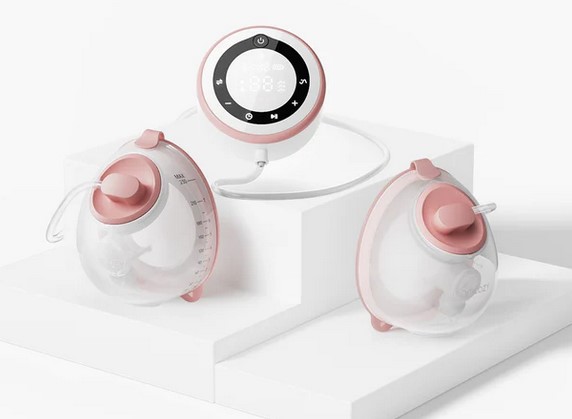
Unlike traditional models, the Momcozy V1 Pro offers hospital grade performance in a wearable, battery-powered design with customizable suction and speed settings, ideal for frequent use and boosting milk supply without being tethered to an outlet.
Standard Electric Breast Pumps
Standard electric breast pumps serve well for everyday situations. They suit any mother wanting to pump but may not need to do it as often.
- Recommended Use: Ideal for occasional pumping or when returning to work.
- Features: Generally, they have fewer settings but still provide adequate suction.
- Power Source: Some operate on batteries, adding convenience for travel.
Key Differences
Understanding the distinctions between hospital grade breast pumps and standard electric pumps can help in making a choice.
Suction Power and Efficiency
Hospital grade pumps typically offer higher suction power, making them efficient for creating and maintaining a milk supply. They often feature adjustable settings that mimic a baby’s nursing rhythm. Standard electric pumps, while adequate for occasional use, may not deliver the same suction strength and speed.
System Type
Hospital grade pumps often use a closed system, which can prevent contamination and allow multiple users. This aspect makes them suitable for shared use in settings like hospitals. Standard electric pumps usually have an open system, meaning they might not be safe for shared use due to potential hygiene issues.
Size and Portability
Hospital grade pumps are generally bulkier, designed for stationary use. They usually require a power source, limiting their portability. In contrast, standard electric pumps are often smaller and lightweight, which can make them good for travel and everyday use.
Durability and Longevity
Hospital grade pumps are built for frequent, heavy use. They often last longer over time compared to standard electric pumps, which wear out quicker with regular use. This durability may justify their higher price for some mothers.
Cost and Accessibility
Hospital grade pumps tend to have a higher price point, making them less accessible to some users. They’re often available for rental, which can help alleviate upfront costs. Standard electric pumps usually have a lower initial cost, making them more accessible for everyday consumers, yet they may require periodic replacement.
| Feature | Hospital Grade Pump | Standard Electric Pump |
| Suction Power | High | Moderate |
| System Type | Closed | Open |
| Size | Can be Bulky | Compact |
| Durability | High | Moderate |
| Cost | High (rental options) | Lower |
Pros and Cons
Considering a breast pump, hospital grade versus a standard electric pump involves weighing the pros and cons of each option.
Hospital Grade Breast Pumps
- Higher Efficiency: Hospital grade pumps generally offer stronger suction, allowing for effective milk expression.
- Adjustable Settings: Many of these devices provide customizable suction and speed settings, aligning with a baby’s feeding pattern.
- Closed System: These pumps feature closed systems, reducing contamination risk and allowing for shared use among multiple mothers.
- Rental Availability: Often, these pumps can be rented, making them a more flexible financial option if needed for a limited time.
- Bulkier Size: They tend to be heavier and less portable, which might limit convenience for travel or outings.
Standard Electric Breast Pumps
- Portability: Standard electric pumps are typically lightweight and easier to carry, making them practical for daily use and travel.
- Lower Cost: I notice these pumps usually have a more accessible initial price, which can be attractive for budget-conscious mothers.
- Adequate Suction: While not as powerful as hospital grade pumps, many standard electric pumps still provide sufficient suction for occasional or everyday pumping.
- Battery Options: Some models run on batteries, adding flexibility for use in various settings.
- Durability Concerns: Many standard pumps may not last as long and might require more frequent replacements over time.
I think choosing between these pumps depends on personal needs, like frequency of use, budget, and lifestyle. It can help to consider these factors before making a decision.
Conclusion
Choosing the right breast pump can feel overwhelming, but it’s all about what works best for you. Whether you lean towards a hospital grade pump for its efficiency or a standard electric pump for its convenience, understanding your unique needs is key.
I’ve found that considering factors like how often you’ll pump and your budget can make the decision much clearer. Remember, both options have their perks and pitfalls, so take the time to weigh them against your lifestyle. Whatever you choose, the goal is to make your pumping experience as smooth and comfortable as possible. Happy pumping!
