
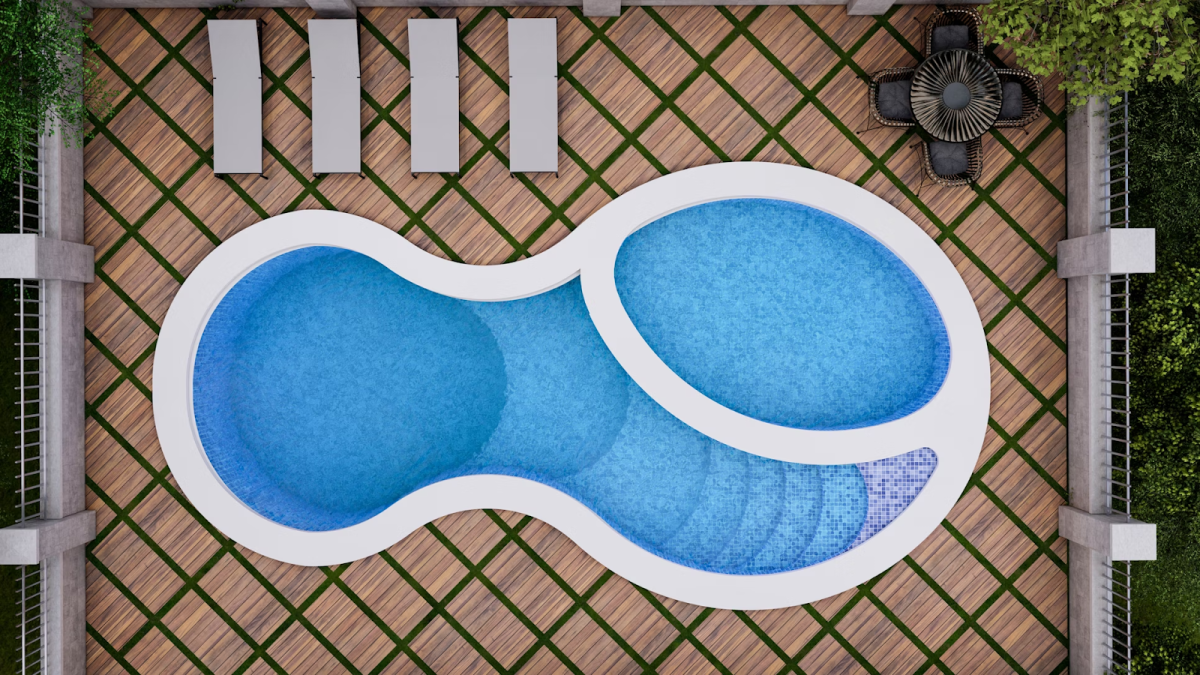
Ever dreamed of having your backyard oasis? A place to relax, entertain, and beat the summer heat? You’re not alone! Many homeowners fantasize about adding a swimming pool to their property. But turning that dream into reality requires careful planning. Don’t worry – we’re here to guide you through the initial steps of bringing your pool design concept to life.
A well-designed pool can be a game-changer for your property. It’s not just about having a place to cool off; it’s about creating a focal point for your outdoor living space, boosting your home’s value, and crafting memories that’ll last a lifetime. But poor planning can lead to a watery disaster – a pool that’s too small, too expensive to maintain, or just doesn’t fit your lifestyle. That’s why we’re here to simplify the first steps of pool design for you. Let’s dive in!
Visualizing Your Dream Pool
Close your eyes for a moment. What do you see when you imagine your perfect pool? Is it a sleek, modern rectangle perfect for laps? Or maybe a freeform lagoon surrounded by lush landscaping? Your pool should be an extension of your personality and lifestyle, so don’t be afraid to dream big!
Start by considering how you’ll use the pool. Are you a severe swimmer looking for exercise, or do you want a fun spot for family gatherings? Your intended use will guide many of your design decisions.
Posts on this site may contain brand partnerships, promotional content, or affiliate links. I may earn a commission or fee if you click a link or purchase through these recommendations at no additional cost to you.
To get your creative juices flowing, do some research. Browse through pool design magazines, scroll through Pinterest, or take a virtual tour of luxury resorts. And don’t forget pool renderings—these digital mock-ups can give you a realistic preview of how different designs might look in your space.
Remember, your pool shouldn’t exist in isolation. Think about how it will fit into your overall landscape. Will it complement your home’s architecture? How will it interact with existing features like patios, gardens, or outdoor kitchens? The goal is to create a cohesive outdoor living space where your pool is the show’s star.
Choosing the Right Location
Now that you’ve got some ideas brewing, it’s time to scout the perfect spot for your aquatic paradise. Choosing the right location is crucial – it can make the difference between a pool that’s a joy to use and one that becomes a neglected water feature.
Here are some key factors to consider when selecting your pool’s location:
- Sun exposure: You want your pool to catch plenty of rays for optimal warmth and use.
- Wind protection: Strong breezes can make your pool chilly and increase water evaporation.
- Distance from trees: While shade is nice, leaves and debris can be a maintenance headache.
- Proximity to utilities: You’ll need easy access to water and electricity for your pool system.
Remember the view—both from and of the pool. You might want to position it so you can watch swimmers from inside the house or so it creates a beautiful focal point from your patio or living room windows.
Determining Pool Size and Shape
It’s all about finding that sweet spot between your dreams and reality regarding pool size and shape. Your available space, budget, and intended use will all play a role in determining the perfect dimensions for your pool.
Rectangular pools are classics for a reason – they’re great for lap swimming and pool games and tend to fit well in most yard layouts. But don’t feel confined to right angles! Oval pools offer a softer look that can blend beautifully with curving landscape designs. And if you’re after a more natural vibe, freeform shapes can create the illusion of a pond or lagoon in your backyard.
As for size, bigger isn’t always better. A massive pool might look impressive, but it’ll also cost more to build, heat, and maintain. Conversely, you don’t want to go too small and end up with a glorified bathtub. A good rule of thumb is to leave enough deck space around the pool for lounging and circulation – typically at least 4 feet on all sides.
Remember, 3D pool renderings can be incredibly helpful at this stage. These digital mock-ups can give you a realistic sense of how different sizes and shapes will look in your space.

Pool Material and Style Options
Now that you’ve mastered size and shape, let’s explore pool materials and styles. This is where your pool really begins to take on its personality!
The three main options for pool construction are concrete, vinyl, and fiberglass. Each has its pros and cons:
Concrete pools are the most versatile and can be shaped into any design you can imagine. They’re durable but require more maintenance.
Vinyl pools are less expensive initially and feel soft underfoot, but the liner will need replacing every 5-9 years.
Fiberglass pools are quick to install and low maintenance but come in pre-formed shapes and sizes, limiting your design options.
Your pool should complement your home and landscape in style. Modern pools often feature clean lines and geometric shapes. Traditional pools like Roman ends or vintage-inspired tile borders tend to have more classic shapes and features. Natural pools aim to mimic ponds or lagoons with freeform shapes and lush landscaping.
Remember, your 3D pool design rendering can help you visualize how different materials and styles will look in your space. Don’t be afraid to mix and match elements to create a pool that’s uniquely you!
Budgeting for Your Pool Project
Let’s talk money. Building a pool is a significant investment, and proper budgeting is crucial to avoid financial disasters.
The cost of a pool can vary widely depending on size, materials, features, and location. As a rough estimate, you might look at anywhere from $30,000 to $100,000 or more for an in-ground pool. But don’t let that number scare you off – with careful planning, you can create a beautiful pool that fits your budget.
Key expenses include construction costs, equipment (pumps, filters, heaters), decking, landscaping, permits and inspections, and ongoing maintenance. To avoid hidden fees, be thorough in your planning. Get detailed quotes from multiple contractors and ensure they include everything from start to finish. Setting aside a contingency fund for unexpected expenses is also wise – about 10-15% of your total budget.
Remember, while sticking to your budget is important, don’t cut corners on essential elements like safety features or quality construction. A well-built pool will save you money in the long run by reducing maintenance and repair costs.
Hiring Pool Professionals
Now that you’ve established your budget, it’s time to assemble your dream team. Building a pool is a complex project requiring design, construction, and landscaping expertise.
Start by researching pool contractors in your area. Look for companies with good reputations and plenty of experience. Don’t be shy about asking for references and checking online reviews. You can also ask friends or neighbors with pools for recommendations.
When vetting potential contractors, ask about their experience, licensing and insurance, examples of similar projects, warranties, how they handle unexpected issues, and typical project timelines. Don’t forget about 3D swimming pool drawings—a skilled designer can create these to help you visualize the final product before construction begins.
Remember, the cheapest bid isn’t always the best choice. Look for a contractor who communicates clearly, understands your vision, and has a track record of delivering quality work on time and within budget.
Understanding Legal and Safety Requirements
Before you start digging, it’s crucial to understand the legal and safety requirements for pool construction in your area. These regulations protect you, your family, and your community.
Most areas require building permits for pool construction. Your contractor can handle this process, but it’s good to know what’s involved. Permit requirements may include site plans, engineering drawings, and details about your pool’s construction and safety features.
Speaking of safety, pool barriers are a must. Most areas require a fence or wall around the pool area to prevent unsupervised access, especially by children. These barriers must typically be at least 4 feet high and have self-closing and self-latching gates.
Other safety features include pool covers, anti-entrapment drain covers, pool alarms, and non-slip decking. Remember, requirements vary significantly by region, so you must check with your local building department or a knowledgeable pool professional.

Planning for Pool Maintenance
When designing your pool area, consider incorporating water features like fountains or pond enhancements to elevate its appeal. Sites like YourPondPros.com offer a variety of options to integrate unique water features that blend seamlessly with your backyard aesthetic. These additions not only enhance the overall ambiance but also create a tranquil space perfect for relaxation.
Let’s face it – a pool is a commitment. Like any good relationship, it needs ongoing care and attention to stay healthy and beautiful. Planning for maintenance from the get-go will help you avoid headaches.
Regular pool maintenance typically involves cleaning, water testing and chemical balancing, equipment maintenance, and seasonal care. The good news is that modern pool technology can automate or simplify many of these tasks. Robotic cleaners, automatic chemical dispensers, and smart pool systems can take much of the work out of pool ownership.
Consider how your choices might affect maintenance during the design phase. For example, darker pool finishes might show dirt more efficiently, while certain types of stone decking might require special care.
Don’t let maintenance scare you off, though. With a good routine (and maybe a little help from a pro), keeping your pool in top shape doesn’t have to be a full-time job. Plus, the joy of having your own personal 3D swimming pool rendering come to life is well worth the effort!
Conclusion
Whew! We’ve covered a lot of ground (or water?). From visualizing your dream pool to understanding the nitty-gritty of maintenance, you’re now armed with the knowledge to take those crucial first steps toward making your pool dreams a reality.
Remember, creating the perfect pool is a journey. Take your time, do your research, and don’t be afraid to ask questions along the way. Whether you’re picturing lazy summer afternoons floating on a raft or energetic pool parties with friends and family, your perfect pool is within reach.
So go ahead and dive into your pool project with confidence. With careful planning and the right team on your side, you’ll be making a splash in your very own backyard oasis before you know it. Happy swimming!
Author:
Aimee S. Marshall
Aimee is a seasoned digital artist and design enthusiast who is passionate about creating stunning visuals. With over a decade of experience in 3D rendering and design, she has worked on projects spanning various industries, from architecture and interior design to product visualization and advertising. Aimee shares her expertise and insights through writing, mentoring, and speaking engagements, aiming to inspire others in the dynamic world of 3D rendering and design.
