
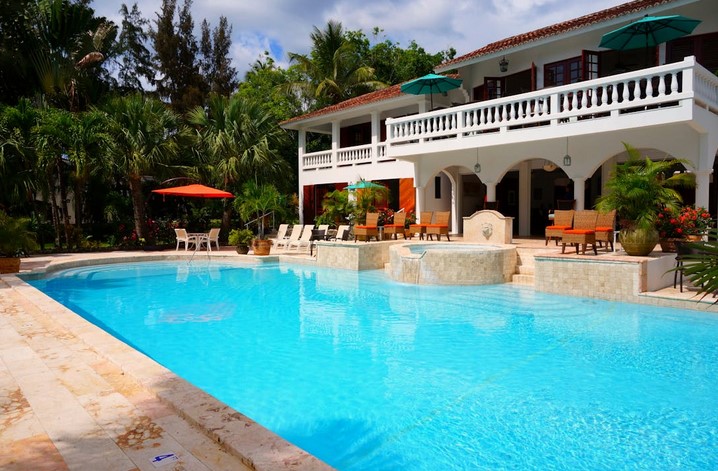
Installing a pool in your backyard is an exciting project, but it requires careful planning and consideration. It’s more than just about digging a hole and filling it with water. From budgeting to maintenance, there are several factors to weigh before making this big decision. Here are seven crucial things you need to keep in mind before installing a pool in your backyard.
1. Pool Type and Design
Posts on this site may contain brand partnerships, promotional content, or affiliate links. I may earn a commission or fee if you click a link or purchase through these recommendations at no additional cost to you.
Choosing the right pool type and design is another critical factor. There are various pool options, such as in-ground, above-ground, and even custom-designed pools. Each type has its own set of pros and cons. In-ground pools are more permanent and customizable but come with higher upfront costs. Above-ground pools are typically more affordable but may not last as long or provide the same level of luxury. For type and design, pool companies can help you choose the best option based on your space, budget, and personal preferences, ensuring the pool complements your backyard and lifestyle. Think about your desired pool size, shape, and features, such as lighting, waterfalls, or heating systems.
2. Space and Location
Not every backyard is suitable for a pool. You need to evaluate the available space and ensure the pool will fit well without overcrowding your outdoor area. Think about how the pool will impact your yard’s overall layout, including space for patios, gardens, or other features. The location of your pool also matters. It should be placed in an area that gets enough sun for warmth but avoids any potential hazards like falling debris from trees. Make sure to leave adequate room for pool equipment and maintenance access.
- Size of the Pool and Yard: Assess the size of your yard and how much space you’re willing to dedicate to the pool. The pool should complement the overall aesthetic of your backyard without making it feel cramped. Consider the space needed for walking around the pool, setting up seating areas, and maintaining your landscaping, which can impact the overall feel of your outdoor space.
- Sunlight and Shade: The placement of your pool can determine how much sunlight it gets throughout the day. Ideally, you’ll want a spot that allows the pool to receive ample sun to keep the water warm and inviting, especially during cooler months. However, balance it with some shade, either from trees or a shaded structure, to help you cool off when you need it and protect you from overexposure to the sun.
- Accessibility and Privacy: The pool should be easily accessible from your home, but it’s equally important to consider privacy. Placing the pool too close to a neighbor’s property line or in a high-traffic area can reduce the enjoyment of your pool, especially if you want a secluded, relaxing environment. Think about how the placement will offer privacy while still being convenient for access and entertainment.
3. Local Regulations and Permits
Before you get started, check with your local government about zoning laws, permits, and regulations regarding pool installation. Many areas have specific codes you must follow, such as fencing requirements, setbacks from property lines, and the pool’s proximity to utilities like gas or electrical lines. Ignoring these rules can result in fines or even forced removal of the pool. Make sure you have the proper permits in place and are fully compliant with all local regulations before you begin.
4. Pool Maintenance and Upkeep
Owning a pool comes with long-term responsibilities, especially when it comes to maintenance. You’ll need to maintain water quality by regularly checking and adjusting chemical levels, cleaning debris, and inspecting pool equipment. Over time, you’ll also face repairs such as replacing the liner, resurfacing, or updating the pump and filtration system. Decide if you want to handle maintenance yourself or hire a professional service to do it for you. Be realistic about the time and effort involved in keeping your pool in top shape.
5. Safety Concerns
Safety should be a top priority when installing a pool. Accidents can happen, especially if young children or pets are around. Installing a secure fence with a locking gate is often a legal requirement, but it’s also essential for peace of mind. You should also consider pool covers, alarms, and safety ladders to prevent accidental falls. If you’re worried about maintenance or supervision, pool safety features like automatic pool cleaners and depth markers are worth investing in.
- Fencing and Gating: A secure fence with a self-closing, self-latching gate is one of the most effective ways to prevent unauthorized access to your pool. This is especially important if you have small children or pets who might wander into the pool area unsupervised. In addition to meeting local regulations, consider installing a fence that’s at least 4 feet high and made of materials that can’t be easily climbed or broken.
- Pool Covers: Pool covers provide an extra layer of protection, especially when the pool is not in use. A sturdy, high-quality cover can prevent accidental drowning by covering the pool entirely when it’s not being enjoyed. Automatic or mesh covers are particularly effective, as they can be easily deployed and provide quick protection after each swim session.
- Alarms and Sensors: Installing pool alarms or sensors adds safety measures to alert you if someone falls into the pool. These systems can be placed around the pool or on doors leading to the backyard. Some alarms even can differentiate between a pet or a small child entering the water, allowing you to respond quickly to potential emergencies.
6. Budget and Financial Planning
Before diving into the pool installation process, it’s vital to set a clear budget. Pools can be expensive, not just for installation but for ongoing maintenance, utilities, and insurance. Consider the total cost of ownership, including the price of the pool, landscaping, fencing, and equipment. Be sure to account for both one-time and recurring expenses, such as cleaning services and chemicals. It’s also wise to factor in potential hidden costs like permits, inspections, and any unforeseen complications that may arise during construction.
7. Impact on Property Value
While a pool can be a fantastic addition to your backyard, it’s important to understand that it might not always increase the value of your home. In some cases, it can even lower the value if it’s not appealing to potential buyers. Consider your neighborhood’s real estate market and whether a pool is likely to be seen as a desirable feature. If you plan on selling your home shortly, weigh the potential return on investment before making a decision.
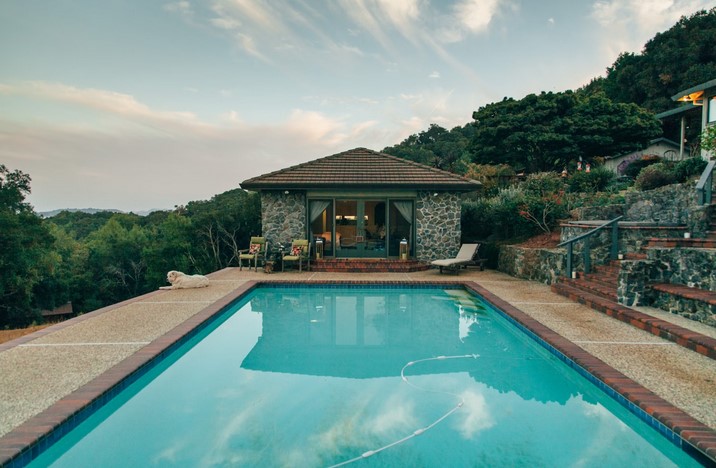
Installing a pool in your backyard is a significant commitment. By carefully planning your budget, location, and design, and considering maintenance and safety concerns, you can ensure that the project runs smoothly and provides lasting enjoyment. Take the time to assess whether a pool is truly right for you and your family. With the right preparation, your backyard can be transformed into a private oasis that enhances your lifestyle and adds value to your home.
