
Posts on this site may contain sponsored content, paid link placements, or affiliate links. I may earn a commission or fee if you click a link or purchase through these recommendations at no additional cost to you.
Skiing is a thrilling sport that combines speed, skill, and the beauty of snow-covered mountains. However, hitting the slopes without the right gear can lead to discomfort, poor performance, and even safety risks. Having the proper equipment ensures a better experience, whether you’re a beginner or an experienced skier. From men and women’s skis to protective layers, every piece of skiing gear plays a role in keeping you warm, comfortable, and safe.
Choosing the Right Skiing Attire
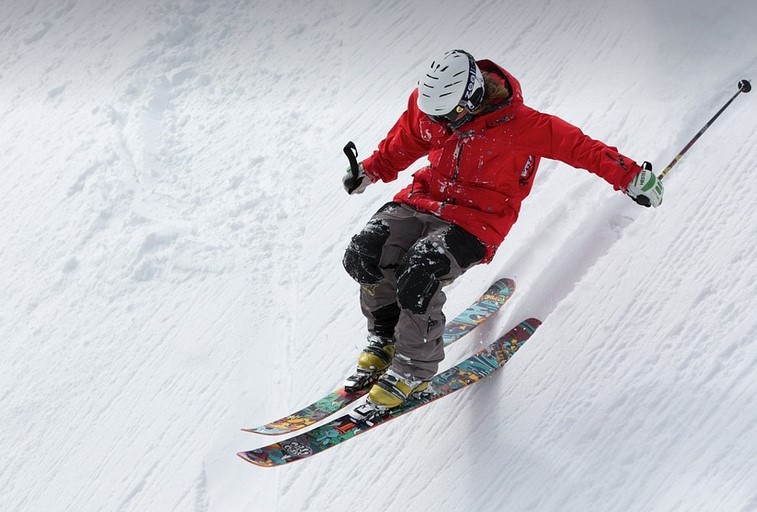
One of the most important aspects of skiing is staying warm and dry. The weather on the slopes can be unpredictable, with temperatures dropping drastically and snowstorms appearing suddenly. Therefore, your clothing should be functional, durable, and designed to handle extreme conditions. Quality high-performance ski pants are essential for keeping your legs warm and dry. Designed with waterproof materials and insulation, they offer protection against snow while allowing breathability to prevent overheating.
Pants with adjustable waists and reinforced knees provide added comfort and durability. By investing in well-fitted ski pants, you can focus on enjoying the slopes without worrying about cold or wet conditions.
Layering is another critical component of skiing attire. Start with a moisture-wicking base layer to keep sweat away from your skin, followed by an insulating middle layer for warmth. Finish with a waterproof and windproof jacket to protect against the elements. Accessories like gloves, neck gaiters, and thermal socks are also indispensable for maintaining comfort.
The Importance of Quality Skis and Bindings
Your skis and bindings are the core of your skiing setup. Choosing the right pair of skis depends on your skill level, preferred terrain, and skiing style. Beginners should opt for shorter skis, which are easier to control, while advanced skiers might prefer longer skis for greater speed and stability.
Bindings are equally important, as they connect your boots to the skis. High-quality bindings not only ensure a secure fit but also release your boots in the event of a fall, reducing the risk of injury. When purchasing skis and bindings, consult with a professional to find the best fit and configuration for your needs.
Maintaining your skis is crucial for performance and safety. Regularly waxing the base and sharpening the edges will help you glide smoothly and maintain control on the slopes. If you’re renting equipment, inspect the skis and bindings for any visible damage before use.
Ski Boots
Ski boots are arguably the most important piece of gear for ensuring comfort and performance. A good pair of boots provides the right balance of support and flexibility, allowing you to control your skis effectively. Ill-fitting boots can lead to discomfort, blisters, and difficulty maneuvering on the slopes.
When selecting ski boots, prioritize fit above all else. Boots should feel snug without pinching or restricting circulation. Many ski shops offer boot fitting services, where professionals assess the shape of your feet and recommend the best options. Custom insoles can also improve comfort and support, particularly for individuals with unique foot shapes or specific needs.
Poles
While poles may seem less critical than skis or boots, they play an essential role in skiing. Poles provide balance, assist with turns, and help maintain rhythm while skiing. For beginners, poles can also serve as a confidence booster, offering stability on unfamiliar terrain.
When choosing ski poles, consider factors like length, weight, and grip. The correct length is vital for effective use—your arms should form a 90-degree angle when holding the poles upright. Lightweight materials like aluminum or carbon fiber are ideal for reducing fatigue, while ergonomic grips improve comfort during long runs.
Goggles and Helmets for Safety and Visibility
Safety should always be a priority when skiing and goggles and helmets are essential for protecting your head and eyes. Goggles shield your eyes from wind, snow, and harmful UV rays, ensuring clear vision in varying weather conditions. Look for goggles with anti-fog coatings and interchangeable lenses for optimal performance in different lighting.
Helmets are non-negotiable for skiing safety. A well-fitted helmet protects against head injuries in the event of a fall or collision. Modern helmets are lightweight and come with features like adjustable vents, removable liners, and integrated audio systems for added convenience.
Always ensure your helmet and goggles are compatible to prevent gaps that can let in cold air or snow. Regularly check for wear and tear to ensure your gear remains effective.
Accessories That Enhance Comfort
In addition to essential gear, certain accessories can significantly enhance your skiing experience. Thermal gloves or mittens are vital for keeping your hands warm, while liners can provide extra insulation. Heated options are also available for skiers prone to cold hands.
Neck gaiters or balaclavas protect your face from windburn and frostbite, particularly on windy days. Insulated and moisture-wicking socks are equally important for keeping your feet warm and dry, preventing discomfort during long runs.
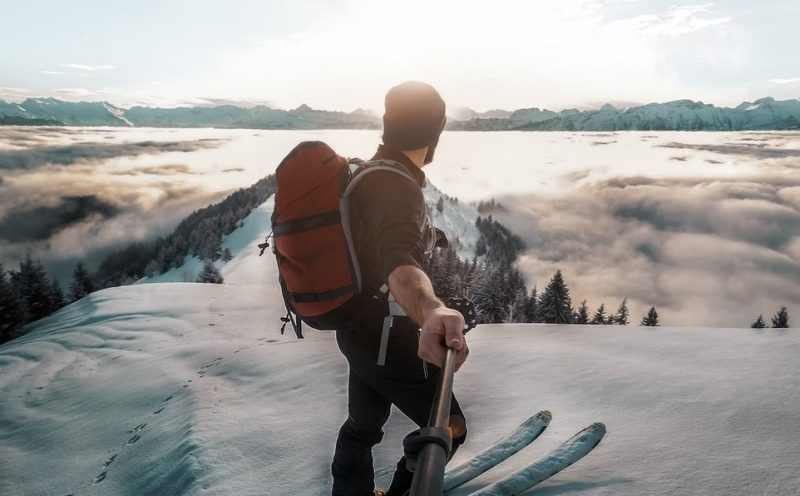
Backpacks designed for skiing allow you to carry essentials like snacks, water, and extra layers without restricting movement. Some models also include compartments for avalanche safety gear, making them ideal for backcountry skiing.
Avalanche Safety Gear for Off-Piste Adventures
For those venturing into off-piste or backcountry terrain, avalanche safety gear is crucial. Equipment like avalanche beacons, shovels, and probes can mean the difference between life and death in an emergency. Learning how to use these tools properly is just as important as having them, so consider taking an avalanche safety course before exploring unmarked slopes.
A durable backpack with space for safety gear ensures you’re prepared for unexpected situations. Many advanced models include airbag systems designed to keep skiers above the snow in the event of an avalanche.
Investing in the right skiing gear not only improves performance but also ensures your safety and comfort on the slopes. From ski pants to helmets and avalanche safety gear, every piece of equipment plays a crucial role in enhancing your experience. By prioritizing quality and fit, you can focus on the thrill of skiing while staying protected from the elements. Whether you’re a novice hitting the slopes for the first time or a seasoned pro tackling challenging terrain, having the right gear is the key to making the most of your time on the mountain.
