
Erosion is a natural process that shapes the environment, but when it occurs at an accelerated rate, it can have serious consequences. Understanding what causes erosion and its effects is crucial to managing and mitigating its impact. Exploring the various causes and effects of erosion helps you recognize the importance of proper land management and the preventive measures needed to preserve our environment.
Water Erosion
Posts on this site may contain sponsored content, paid link placements, or affiliate links. I may earn a commission or fee if you click a link or purchase through these recommendations at no additional cost to you.
Rainfall is one of the most significant causes of erosion, especially when it falls heavily or over a prolonged period. The impact of raindrops dislodges soil particles, making them susceptible to being carried away by runoff. This type of erosion can easily be prevented with erosion control products that help stabilize the soil and reduce surface runoff. When the ground becomes saturated and cannot absorb any more water, surface runoff increases, which in turn leads to soil erosion. In areas with poor vegetation cover, this process can be especially damaging, as the lack of root systems leaves soil unprotected.
Rivers and Streams
The constant flow of rivers and streams also contributes to erosion by gradually wearing down their banks and transporting sediment downstream. This process is particularly evident in areas where vegetation is sparse, or human activities have weakened natural barriers.
Over time, riverbanks may collapse, altering water courses and causing potential flooding or loss of land. The sediment carried by rivers can also negatively impact aquatic habitats by clouding water and covering spawning beds.
Coastal Erosion
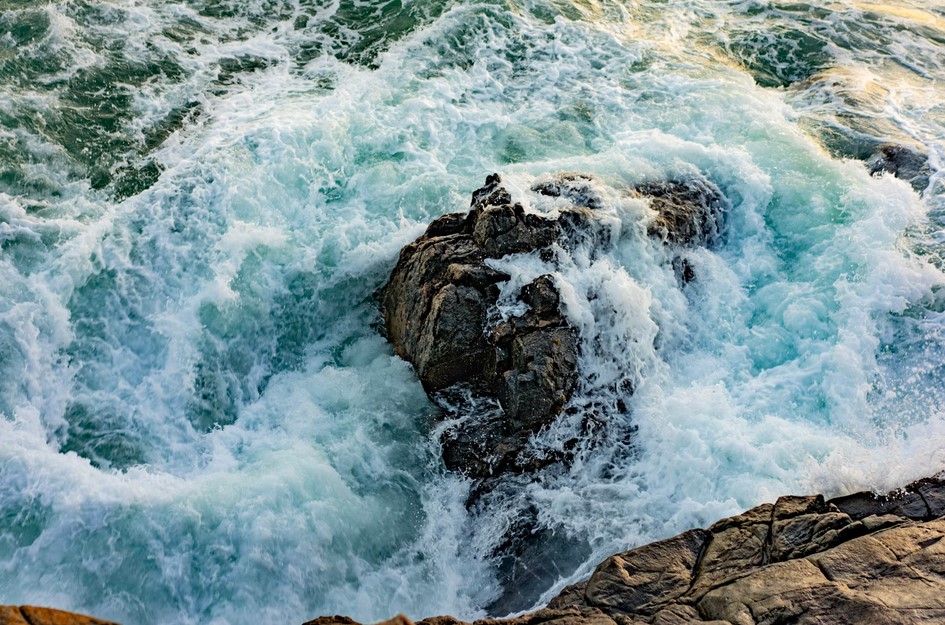
Coastal erosion is primarily driven by wave action that gradually wears away shorelines. Waves continually pound against the coast, dislodging sand and rock and carrying it back into the sea. This process is natural, but it can be accelerated by human activities such as construction and the removal of protective vegetation. Coastal erosion can lead to the loss of beaches, increased vulnerability of coastal communities to storms, and habitat destruction for coastal wildlife.
Sea-Level Rise
Rising sea levels also play a significant role in coastal erosion. As sea levels rise due to climate change, low-lying coastal areas become increasingly susceptible to flooding and erosion.
The encroachment of water onto land not only erodes the coastline but also threatens infrastructure and agricultural land. Communities living in these areas often face the difficult decision of adapting to changing conditions or relocating.
Wind Erosion
Wind erosion is most prevalent in arid and semi-arid regions where the soil is dry and vegetation cover is minimal. In such environments, strong winds can easily lift and transport loose particles over long distances, a phenomenon known as deflation.
The absence of moisture and protective vegetation makes soil in these areas particularly vulnerable to wind erosion, which can result in the loss of valuable topsoil and decreased soil fertility.
Human Activities and Overgrazing
Human activities, such as deforestation and overgrazing, can significantly exacerbate wind erosion. When vegetation is removed for agricultural or development purposes, the soil is left exposed and becomes an easy target for wind. Overgrazing by livestock is another major contributor, as it depletes ground cover and reduces the soil’s ability to retain moisture. This combination leaves the land highly susceptible to wind erosion, ultimately leading to desertification in some cases.
Soil Erosion from Human Activities
Certain agricultural practices can significantly contribute to soil erosion. Tilling the soil, for example, breaks up the structure and makes it more prone to being washed or blown away. Monoculture cropping, where the same crop is planted repeatedly, can also deplete soil nutrients and reduce the overall resilience of the land. To minimize erosion, conservation tillage, crop rotation, and cover crops can be effective strategies.
Urban Development
Urban development often exacerbates erosion by stripping away natural vegetation and replacing it with impermeable surfaces like roads and buildings. These surfaces prevent water from soaking into the ground, increasing runoff and leading to greater soil displacement.
Construction sites are particularly vulnerable to erosion, as disturbed soil and lack of vegetation create prime conditions for both wind and water erosion. Proper planning and the use of control measures can help reduce the impact of urbanization.
Effects of Erosion
One of the most immediate effects of erosion is the loss of topsoil, which is the most fertile layer of the soil. Topsoil contains essential nutrients that plants need to grow, and when it is removed, the productivity of the land decreases. This loss can have severe consequences for agriculture, making it difficult to grow crops and resulting in lower yields. Restoring topsoil is a challenging and time-consuming process, making prevention crucial.
Sedimentation and Water Quality
Erosion often leads to sedimentation, where eroded soil particles end up in rivers, lakes, and reservoirs. This can degrade water quality by increasing turbidity, reducing sunlight penetration, and affecting aquatic life. Sedimentation can also clog waterways, reduce the capacity of reservoirs, and increase the risk of flooding. These impacts can have far-reaching consequences for both ecosystems and human populations that rely on these water sources.
Habitat Destruction
The effects of erosion are not limited to soil and water; they can also have significant implications for wildlife. When erosion removes vegetation, it destroys habitats that many animals rely on for shelter and food. In aquatic environments, sedimentation can cover spawning grounds and disrupt the natural habitats of fish and other organisms. The loss of biodiversity resulting from habitat destruction can have cascading effects on ecosystems, reducing their resilience and altering natural processes.
Economic and Social Impacts
Erosion can have costly implications for infrastructure. Roads, bridges, and buildings are all at risk when the ground beneath them becomes unstable due to erosion. In coastal areas, sea-level rise and wave action can threaten entire communities, requiring expensive mitigation efforts or even relocation. Repairing damage caused by erosion can place a significant financial burden on individuals and governments.
For communities that rely on agriculture, the effects of erosion can be devastating. Reduced soil fertility and lower crop yields directly impact food production and income. In areas where erosion has led to desertification, entire communities may be forced to abandon their land and seek new livelihoods.
While it is a natural process, human activities often accelerate it, making it essential to understand its causes and take steps to mitigate its impacts. Whether it’s through better agricultural practices, protecting coastal areas, or implementing erosion control measures, there are ways to reduce the severity of erosion and protect vulnerable land. By recognizing the causes and effects of erosion, you can contribute to efforts aimed at reducing its impact and preserving the environment for future generations.
